
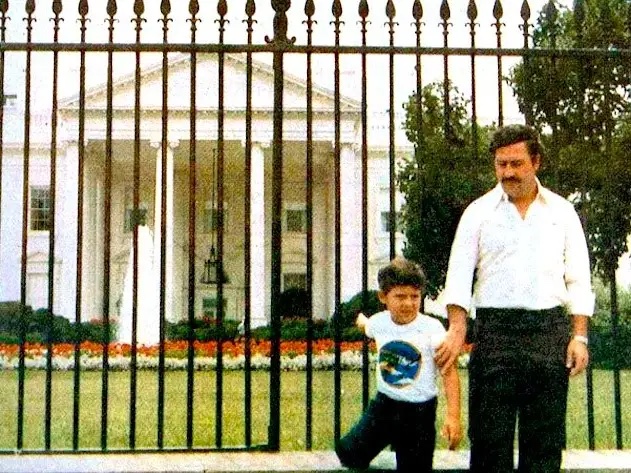
In 1984, Pablo Escobar and the leaders of the major narcotics syndicate in Colombia proposed an unprecedented deal to the national government. Facing an aggressive crackdown and the threat of extradition to the United States, the heads of the network made a direct offer to liquidate their holdings and wipe out the country’s multi-billion dollar foreign financial deficit. This extraordinary proposition stands as a documented event in political history, showing a period when a private enterprise possessed enough capital to rival the treasury of a sovereign nation.
High-Stakes Negotiations in Panama
Following the assassination of Colombian Justice Minister Rodrigo Lara Bonilla in April 1984, pressure on trafficking operations reached an unprecedented peak. Several prominent cartel bosses fled Colombia to consolidate their leadership elsewhere. In May 1984, these figures arranged a clandestine meeting in Panama with Alfonso López Michelsen, a former president of Colombia who acted as an intermediary.
During these discussions, the cartel representatives presented a formal memorandum intended for the current administration of President Belisario Betancur. The document outlined a massive financial exchange. The leaders promised to completely dismantle their distribution networks, surrender their laboratories, and entirely withdraw from the illegal trade. In exchange, they demanded full legal amnesty and the cancellation of the pending extradition treaty with the United States government.
Erasing a Multi-Billion Dollar Deficit
The most striking clause of the written proposal involved the country’s sovereign liabilities. At the time, Colombia faced a severe economic crisis and carried an external national debt valued at approximately $10 billion. The syndicate leaders offered to provide the cash necessary to pay off this entire national deficit in full.
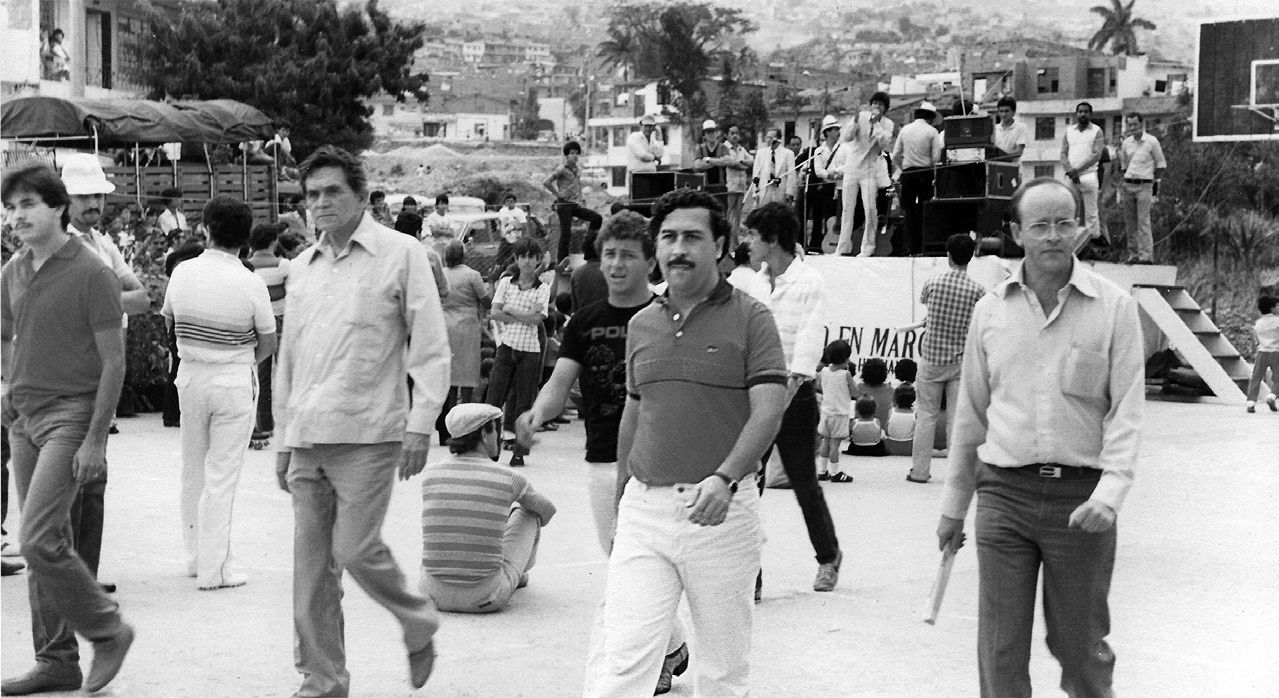
To demonstrate their financial capacity, they pointed to their massive revenue streams and extensive land holdings. The network controlled roughly 80 percent of the global market during its peak, generating an estimated $420 million every single week. This immense wealth funded massive real estate properties, such as the 7,000-acre (2,832.8-hectare) Hacienda Nápoles estate. The influx of cash meant the organization held billions of dollars stored across various private properties, subterranean vaults, and international bank accounts.
The Government’s Final Rejection
When news of the secret meeting in Panama leaked to the Colombian press, it triggered widespread public debate and immediate political fallout. The United States government pressured the Colombian administration to reject any compromise with the syndicate.
President Betancur ultimately refused to accept the terms of the memorandum. The government determined that accepting billions of dollars from an illegal syndicate would compromise the legal sovereignty of the state. Consequently, the administration moved forward with its law enforcement operations, and the extradition treaty remained in place.