
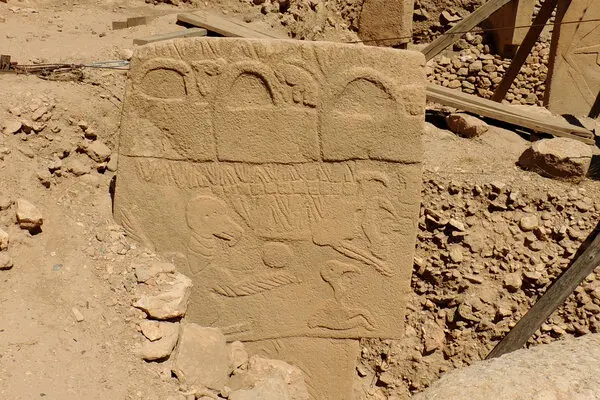
A catastrophic event shattered the earth 13,000 years ago, wiping out massive animals and plunging the planet into a 1,200-year mini ice age. In the aftermath of this devastating comet strike, prehistoric hunter-gatherers began creating meticulous V-shaped carvings into stone pillars in southeastern Türkiye.
These intricate carvings at the ancient site of Göbekli Tepe now appear to be the earliest recorded lunisolar calendar in human history. Researchers studying this 12,000-year-old architectural site have uncovered a complex system of timekeeping that predates the invention of writing by millennia. The stone pillars reveal an astonishing astronomical observation system built by people reacting to a sudden, world-altering climate shift.
Decoding the V-Shaped Carvings
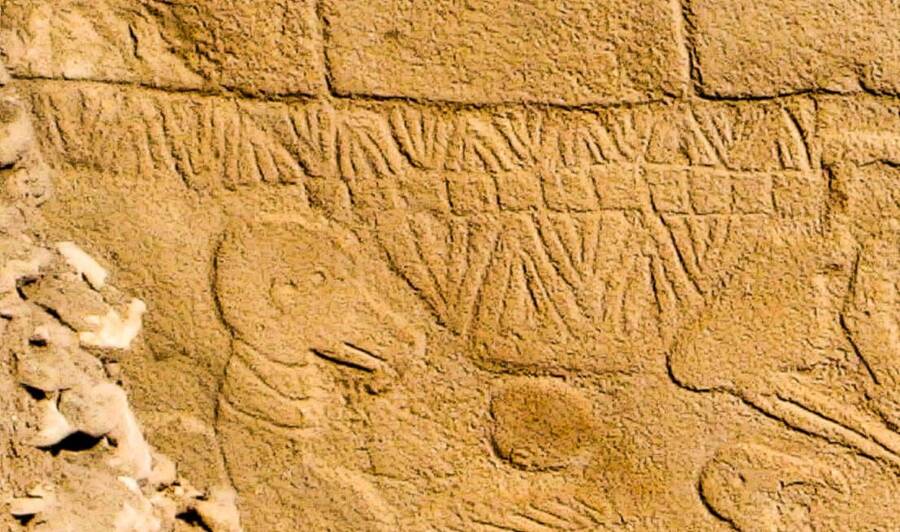
At the heart of this archaeological breakthrough is an intricately carved stone pillar located at Göbekli Tepe, widely considered the oldest temple structure on Earth. Researchers from the University of Edinburgh analyzed a series of V-shaped carvings found on the megalithic stones.
According to their findings, each V counts as a single day. One specific pillar displays exactly 365 days, clearly divided into 12 lunar months with 11 extra days added to align with the solar year. A bird-like creature depicted on the stone wears a V shape around its neck, designating the summer solstice constellation. This combination of lunar phases and solar positioning makes it the oldest known lunisolar calendar.
The Younger Dryas Comet Impact
The creation of this sophisticated timekeeping system directly follows a massive celestial event known as the Younger Dryas Impact Hypothesis. Around 10,850 B.C.E., a cluster of comet fragments collided with Earth. This impact triggered a severe cold period that lasted over a millennium and led to the extinction of megafauna like the woolly mammoth.
Martin Sweatman, a professor at the University of Edinburgh, notes that the inhabitants of Göbekli Tepe documented this specific comet strike on a separate structure known as the vulture stone. The people living through this disaster became keen observers of the sky, tracking the solstices and equinoxes closely.
A Shift in Human Civilization
The comet impact and the resulting climate shift forced drastic changes upon the hunter-gatherers of the Pre-pottery era. Coping with the sudden cold climate motivated developments in agriculture and the formation of organized religion.
The megalithic T-shaped pillars of Göbekli Tepe, dating back to between 9,600 and 8,200 B.C.E., feature carvings of lions, gazelles, vultures, and snakes. While some scientists debate whether the site functioned purely as a cultic meeting place or a large settlement, recent findings of flint tools and a painted limestone boar statue point to a complex society.