
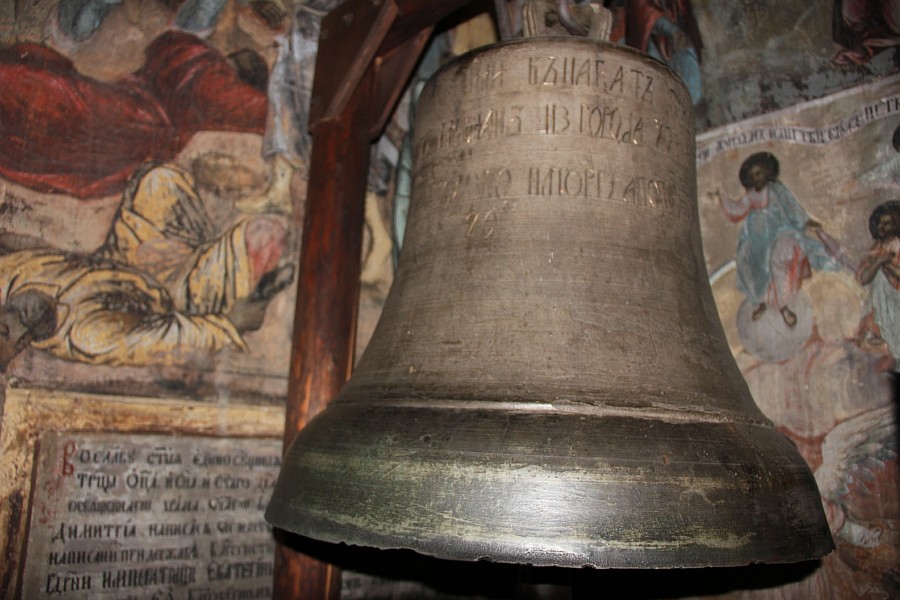
In the late sixteenth century, the Russian justice system carried out one of the most unusual criminal sentences in history. A convicted perpetrator was publicly flogged with twelve lashes, physically mutilated, and permanently banished to the frozen frontiers of Siberia for inciting a deadly riot.
The condemned, however, was not a human being. It was a massive bronze church bell weighing 312 kilograms (688 pounds). The execution of this sentence was fully documented by the authorities during the political turbulence of the Russian Tsardom.
The Ringing That Sparked a Riot
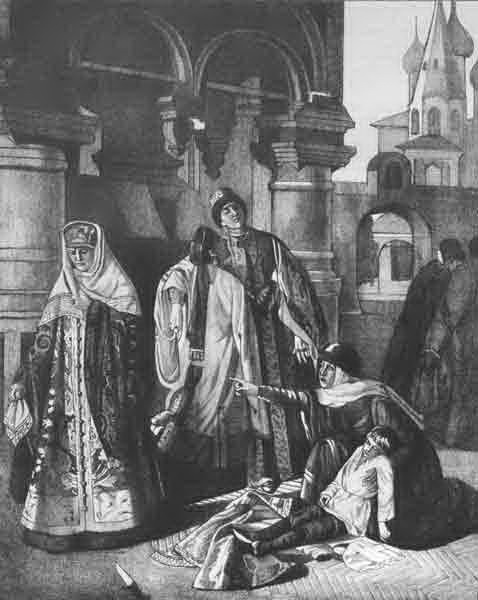
On May 15, 1591, the town of Uglich was shaken by the sudden death of eight-year-old Tsarevich Dmitry, the youngest son of Ivan the Terrible. As the boy lay dead in the courtyard from a neck wound, the sexton of the local church rushed to the bell tower.
He aggressively struck the town’s alarm bell, signaling an emergency. Believing the young prince had been assassinated by agents of the de facto ruler Boris Godunov, a massive crowd gathered in the streets. Fueled by the continuous ringing, the angry mob hunted down and killed several government officials they held responsible.
A Brutal Trial and Mutilation
Boris Godunov quickly dispatched investigators to Uglich. The official inquiry concluded that the young prince had accidentally stabbed himself during an epileptic seizure, making the riot an act of treason. Hundreds of townspeople were executed, imprisoned, or had their tongues cut out.
The authorities then turned their attention to the alarm bell. Found guilty of inciting the insurrection, the bronze object was subjected to the exact physical punishments used on human traitors. Executioners threw the bell from its tower and flogged it with twelve lashes. They then chopped off one of its suspension “ears” and tore out its metal clapper, which was referred to as its “tongue.”
Banished to the Siberian Frontier
Following its physical mutilation, the bell was officially sentenced to exile in Siberia. In 1592, the surviving residents of Uglich who had been banished for their role in the riot were forced to drag the heavy, silenced bell alongside them on their march eastward.
The treacherous journey covered approximately 2,200 kilometers (1,367 miles) to the remote outpost of Tobolsk. Upon arrival, the local governor officially registered the bell in the town’s administrative ledger as the city’s first official exile.
A 300-Year Sentence Concluded
For decades, the bell remained locked away in a Tobolsk church, completely silent. Eventually, a new clapper was installed, and it was repurposed to strike the hours for a local clock.
The metallic exile spent exactly three centuries in Siberia. In 1892, officials in Uglich petitioned the government for the return of the bell. The request was granted, and the item was transported back to its original hometown. Today, the bell hangs in the Church of St. Dmitry on the Blood in Uglich, the exact location where it originally sounded the alarm in 1591.