
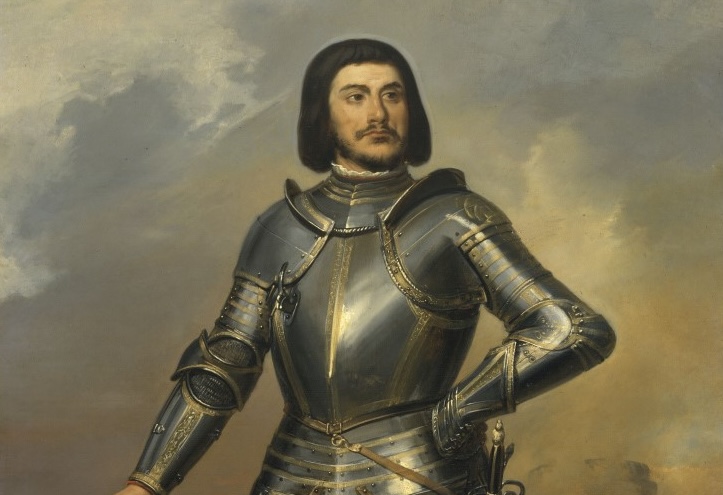
In the fifteenth century, a highly decorated military commander fought alongside Joan of Arc to lift the English siege of Orléans. He was one of the wealthiest lords in western France, possessing vast estates and immense political power. Yet, behind the walls of his heavily fortified castles, this aristocrat concealed a massive criminal operation.
He orchestrated the mass abduction, torture, and murder of over one hundred children, primarily young boys. This is the factual account of Gilles de Rais, a noble whose life shifted from military campaigns to his classification by modern criminologists as a prolific serial killer.
The Disappearances and Rituals
Between the spring of 1432 and the spring of 1433, peasant children began vanishing from the villages surrounding his estates. Parents reported that their young boys entered the lord’s castles to beg for food, only to never be seen again.
According to trial records and modern criminological analysis, Gilles de Rais displayed the precise traits of a serial killer. He targeted a specific demographic of victims and utilized highly ritualized methods of execution. Assisted by servants and women who lured the children, the baron established a continuous cycle of abduction and murder.
The Reality of the Murders
The details of the crimes were thoroughly documented by the authorities. The murders followed systematic patterns. Victims were subjected to brief hangings, released temporarily, and then killed via neck fractures with a stick or deep cuts to the throat.
Confessions detailed dismemberment, decapitation, and sexual assaults committed on the victims. Trial documents recorded a severe fascination with the display of internal organs following disembowelment. The scale and nature of the violence were entirely unparalleled in the judicial archives of the period.
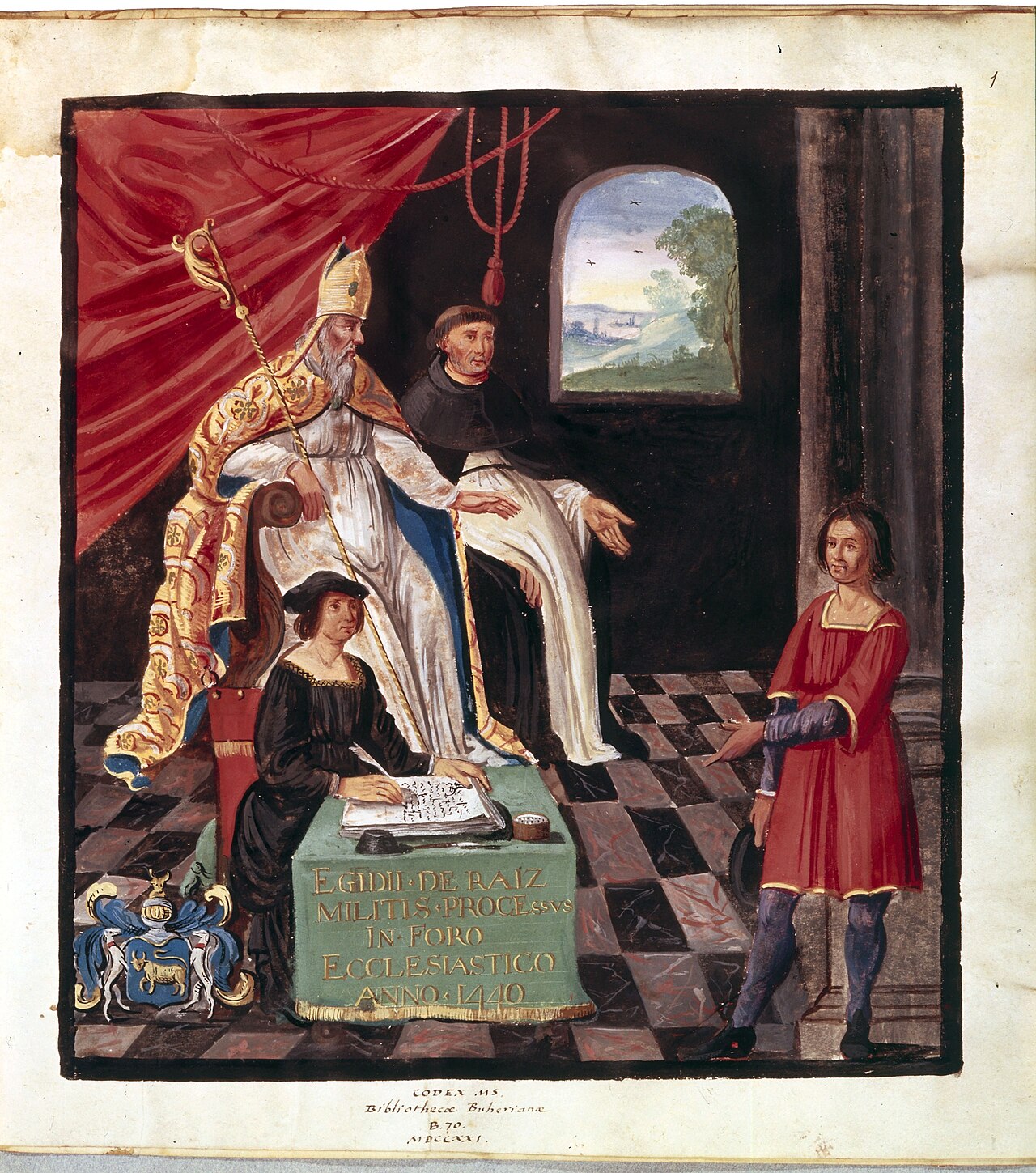
The Downfall and Investigation
For years, the baron used his immense power to shield his crimes. His downfall began in May 1440 due to a violent property dispute. He ambushed a cleric during a church mass, violating ecclesiastical immunity and directly challenging the Duke of Brittany.
This political conflict prompted the Bishop of Nantes to launch an official investigation. The bishop visited local parishes and gathered widespread reports of missing children, leading to a coordinated effort by secular and ecclesiastical courts to arrest the lord.
The Confessions and Execution
Authorities arrested the former military commander at his Machecoul castle in September 1440. Facing the ecclesiastical court of Nantes, he was confronted with extensive testimonies from the parents of the missing boys. The volume of evidence led the court to cancel planned torture, as he confessed on October 21.
The court attributed the murders of one hundred and forty children, or more, to him. On October 26, 1440, he was hanged and his body was partially burned, ending his life.