
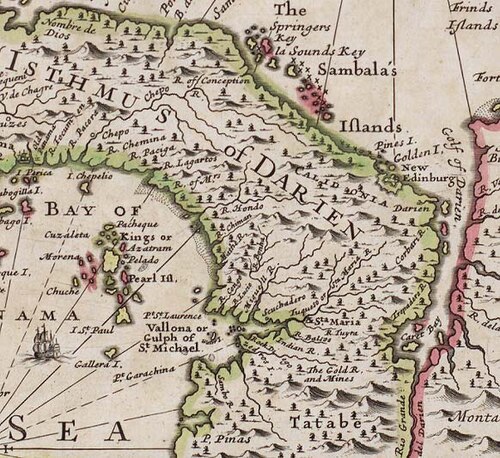
In the late 17th century, a financially desperate and politically isolated Scotland decided to risk an astounding one-fifth of its entire wealth on a massive gamble: establishing an ambitious trading colony in the unforgiving jungles of Panama. They called it the Darien scheme. This is the fascinating story of how a nation’s dream of becoming a global superpower unraveled, leading to starvation, piracy, mob justice, and ultimately, the loss of Scotland’s independence.
The Dream of Caledonia
During the 1690s, Scotland suffered heavily. A period known as the “seven ill years” brought widespread crop failures and devastating famine. Scotland’s economy was small, and English competition continuously marginalized its trade. Seeking a dramatic reversal of fortune, William Paterson—a Scottish financier—proposed establishing a colony on the Isthmus of Panama. The plan was brilliant in theory: create an overland trading route connecting the Atlantic and Pacific oceans, cutting out the long journey around South America.
When the powerful English East India Company forced English and Dutch investors to withdraw support, the Scottish people took on the burden alone. In a matter of weeks, the Company of Scotland raised £400,000 sterling, an amount equaling about 20 percent of all the money circulating in Scotland.
Disaster in the Jungle
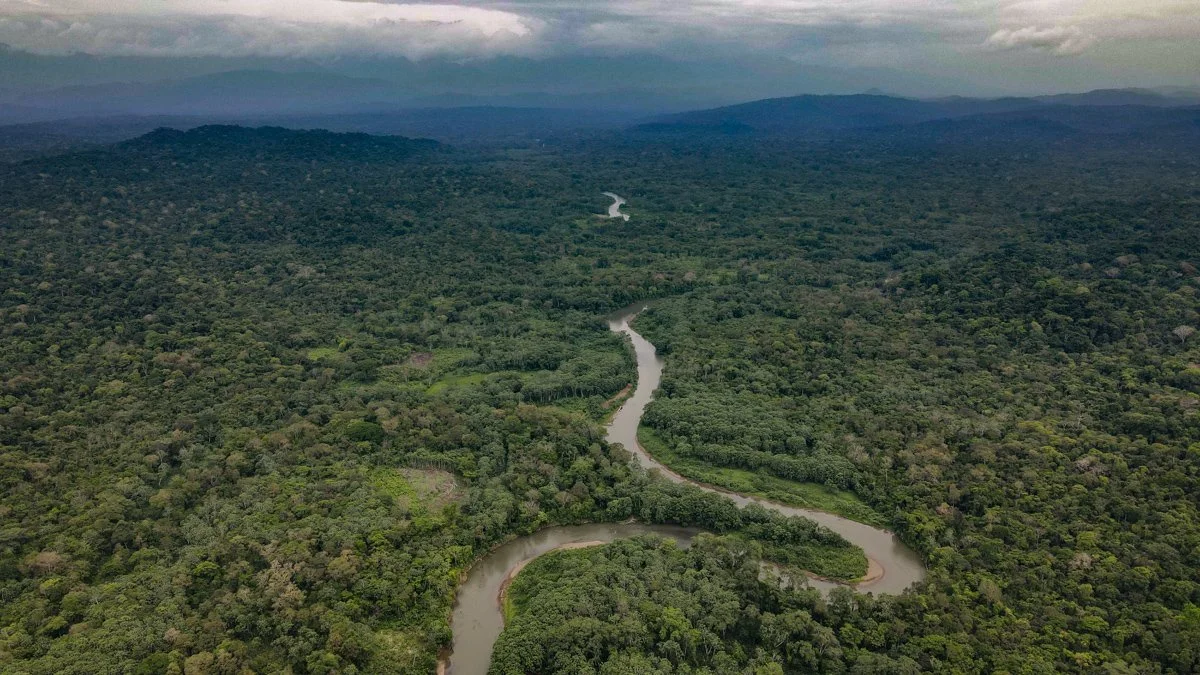
In July 1698, five ships carrying 1,200 hopeful settlers departed from Leith, Scotland. They reached the coast of Darien in November and christened their new settlement “Caledonia”. However, the reality of the jungle quickly shattered their mercantile dreams. The terrain was virtually untraversable, agriculture proved difficult, and local indigenous tribes refused to trade.
Worse still, King William II of Scotland (and III of England) strictly ordered English and Dutch colonies not to supply the Scots, fearing war with the Spanish Empire, who claimed the territory. Without supplies, starvation set in. With the arrival of summer, malaria and dysentery ravaged the camp, pushing the mortality rate to ten deaths a day. After just eight months, the survivors abandoned the colony.
The Second Expedition and Spanish Siege
Tragically, word of the disaster did not reach Scotland in time. A second expedition of over 1,000 people set sail, arriving in November 1699 to find ruined huts and 400 overgrown graves. Morale collapsed, and infighting crippled the leadership.
Soon after, Spanish forces arrived to eliminate the Scottish presence. After enduring a month-long siege by Spanish forces who also blockaded the harbor, the Scots surrendered. The colonists were allowed to leave with their weapons, but only a few hundred out of the original 2,500 settlers survived the Darien venture.
Financial Ruin and the Act of Union
The collapse of the Darien scheme sent shockwaves through Lowland Scotland. Desperate to recoup losses, the Company of Scotland sent remaining ships on trading missions, some of which were lost to pirates or seized by the English East India Company. This sparked furious anti-English sentiment in Scotland, culminating in the unjust hanging of three English sailors in Edinburgh by an enraged mob.
The financial devastation left the Scottish nobility essentially bankrupt. Facing economic collapse, the Scottish establishment agreed to the 1707 Acts of Union, merging Scotland with England. The catastrophic failure of the Darien colony remains a pivotal moment in history—a bold national gamble that cost Scotland its independence.