
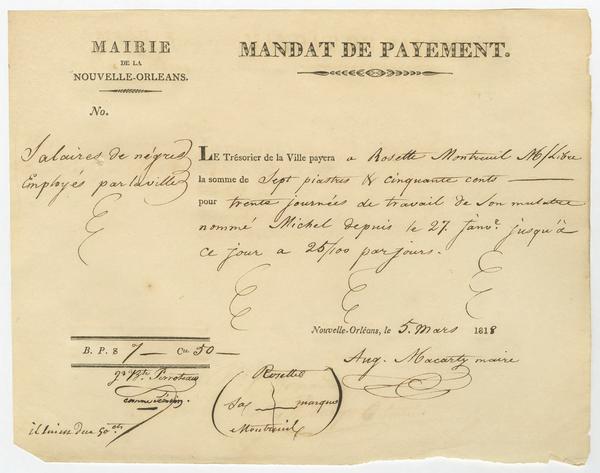
Before the American Civil War erupted, a complex and largely unknown economic reality existed in the United States. While the vast majority of the 2.5 million African Americans in 1850 lived in bondage, a distinct group emerged within the southern states.
Thousands of free Black men and women actively participated in the institution of slavery as property owners themselves. This historical account details the lives, motivations, and scale of African American slaveholders from the original colonies to the dawn of the Confederacy.
Benevolence or Business in the South?
By 1830, records indicate that 3,775 Black individuals owned a total of 12,760 slaves. The motivations behind these purchases varied widely across different regions. In numerous instances, free Black Americans bought their own family members. Following strict laws passed after 1810 that restricted the emancipation of enslaved people, these individuals had no legal choice but to maintain an official owner-slave relationship on paper to keep their families together.
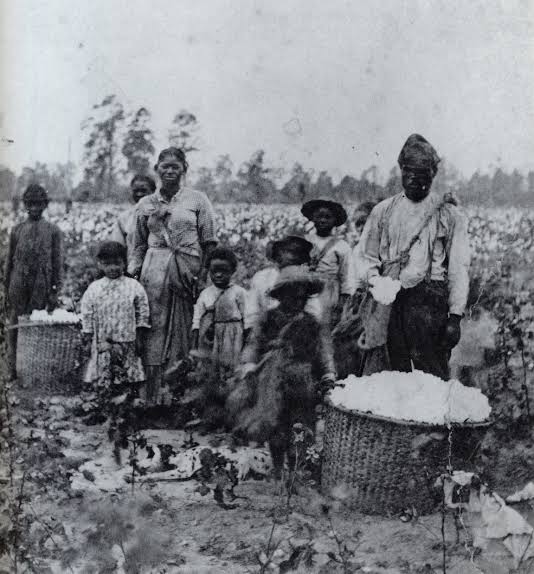
However, research into states like South Carolina reveals a different economic reality. Many mixed-race and Black slaveholders operated small businesses and utilized enslaved workers for commercial labor. In 1850, over 80 percent of Black slaveholders in South Carolina were of mixed race, while nearly 90 percent of the people they enslaved were categorized as Black.
Wealth and Power in the Deep South
The highest concentration of wealth among Black slaveholders existed in the Deep South. Cities such as New Orleans and Charleston housed a large population of free people of color. Under French and Spanish colonial rule, these individuals formed a distinct third social class between white citizens and enslaved Black workers. A significant portion of these property owners acquired land and social capital from white fathers.
Andrew Durnford of New Orleans operated a profitable sugar plantation and held 77 slaves. Historians document Durnford as a demanding master who enforced rigorous labor and frequent punishment. In Louisiana, Antoine Dubuclet amassed over one hundred slaves, becoming the wealthiest Black slaveholder in the state.
The First Legal Battles
The legal foundation for lifetime servitude involved early colonial court cases. In 1621, an African former indentured servant named Anthony Johnson settled in Virginia. He later won a civil suit that granted him ownership of John Casor. This event marked one of the earliest documented legal battles for slave ownership by a free Black colonist on the American mainland.
The Dawn of the Civil War
As the Civil War approached, free Black slaveholders in New Orleans attempted to protect their property and economic standing. Over 1,000 free people of color volunteered for the Confederacy. They formed the 1st Louisiana Native Guard. Despite their willingness to fight, Confederate laws prevented them from officially serving as soldiers. The regiment was eventually disbanded without ever seeing combat.