
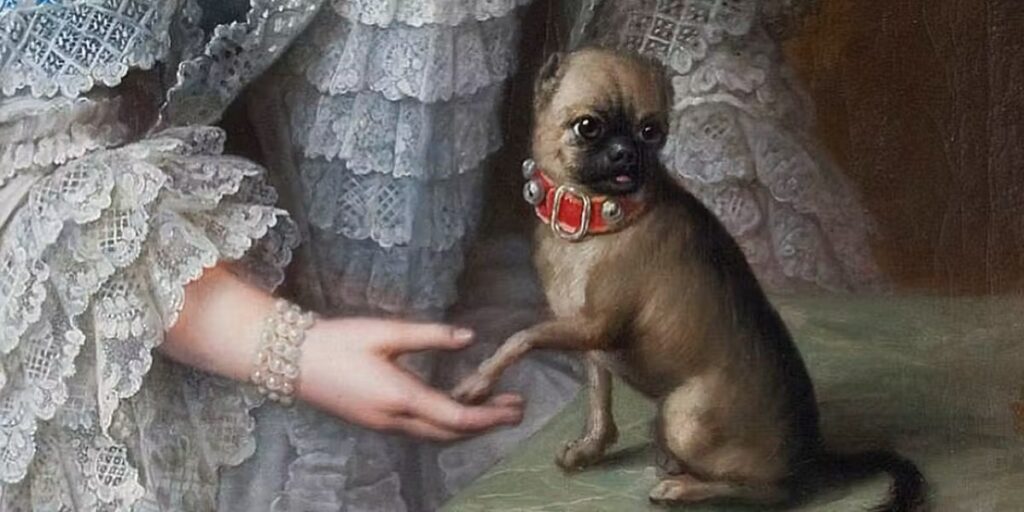
In the eighteenth century, Roman Catholics formed a clandestine society centered around small dogs. To bypass strict papal decrees, individuals organized the Mops-Orden, an exclusive fraternity where members wore dog collars, scratched at doors, and barked loudly during secretive rituals.
This organization operated across several European countries. Records of this group detail a meticulously structured society with strict initiation rites, alternating gender leadership, and a focus on canine characteristics. The full history exposes exactly how far these individuals went to build their network.
Bypassing the Papal Decree
The Mops-Orden was founded around 1738 to circumvent the In eminenti apostolatus, a papal bull prohibiting Catholics from joining Masonic lodges. Klemens August of Bavaria is believed to have established the organization in 1740.
The society spread from France to the Netherlands and Germany, with a lodge recorded in Bayreuth. Members adopted the name Mops, the German word for the breed. The animal was chosen for its traits of loyalty, trustworthiness, and steadiness.
Men and Women as Grand Pugs
The Mops-Orden allowed women to join, provided they were Catholics. The structure featured both a male and a female lodge master. These leaders, titled grand pugs, took turns running the lodge every six months. Other official roles, including secretaries and overseers, were filled by men and women. The overall lodge grandmaster role was strictly reserved for a man.
Dog Collars and Barking Rituals
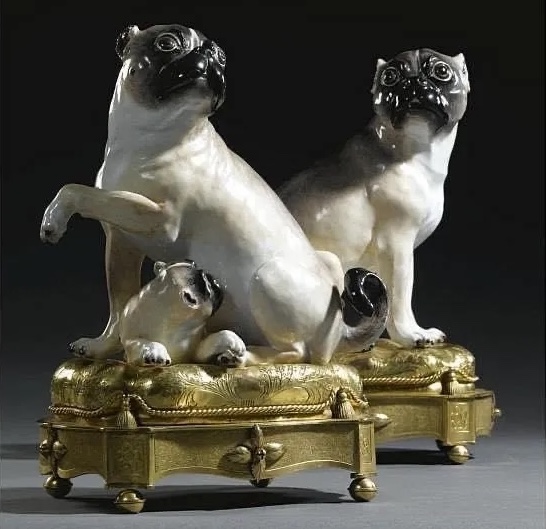
Novices seeking entry had to wear a dog collar and scratch at the door to request admission. Once inside, the novice was blindfolded and guided nine times around a marked carpet. Existing members barked loudly to test the newcomer’s steadiness. The novice then had to kiss the backside of a porcelain pug directly under its tail to express devotion.
The master placed the novice’s hand on a specific object to demand a vow. Men placed their hands on a rapier, while women used a mirror. The initiate was commanded to see the light, and the blindfold was removed. The new member was surrounded by a circle of members holding rapiers or mirrors and actual pugs. Later, hand signals and slogans were added to the process.
Exposure and University Bans
Members carried a silver medallion shaped like the dog. Practices became public in 1745 when a book titled L’ordre des Franc-Maçons trahi et le Secret des Mopses révélé was published in Amsterdam, detailing the rituals with two engravings.
Göttingen University banned the organization in 1748. A student branch named Lodge Louise of the Venerable Order of the Pug had formed there in 1747, populated by Hanoverian nobility. The university launched an investigation regarding lodge fees and member control, confiscating documents and shutting the group down. While German records suggest the group faded quickly, other reports indicate they remained active in Lyon until 1902.