
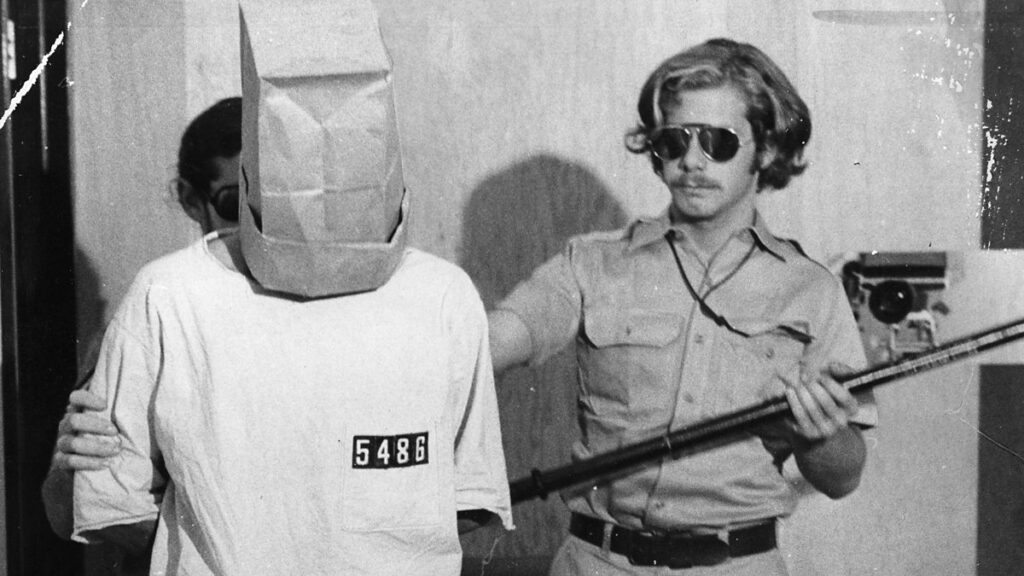
Philip Zimbardo is a name etched into the annals of 20th-century psychology, best known for a six-day prison simulation that shattered societal assumptions about human character.
While his name is synonymous with the Stanford Prison Experiment, his journey began long before his tenure at Stanford, shaped by a childhood defined by isolation and a lifelong quest to understand the roots of human behavior.
A Formative Childhood in the Bronx
Born in 1933, Zimbardo grew up in a poor section of the Bronx, New York. His perspective on human nature was profoundly influenced by a stay at the Willard Park Hospital for Children With Contagious Diseases at age five. Hospitalized with double pneumonia and whooping cough, Zimbardo endured weeks of isolation, as children were barred from physical contact with each other or visiting family.
This early experience with hardship and discrimination regarding his family’s poverty and Italian roots ignited a curiosity about how beliefs and attitudes influence behavior. He eventually graduated from Brooklyn College in 1954, holding a triple major in psychology, sociology, and anthropology.
Precursors to a Prison Simulation
Before the infamous study, Zimbardo explored how environment dictates conduct at Stanford University. In 1969, he abandoned a car in a high-crime neighborhood in New York City and another in an affluent part of Palo Alto, California.
The New York vehicle was destroyed within 10 minutes, while the Palo Alto car remained untouched until Zimbardo smashed it himself, at which point it was promptly stripped by thieves. This study became a foundational element of the “broken windows” policing policy.
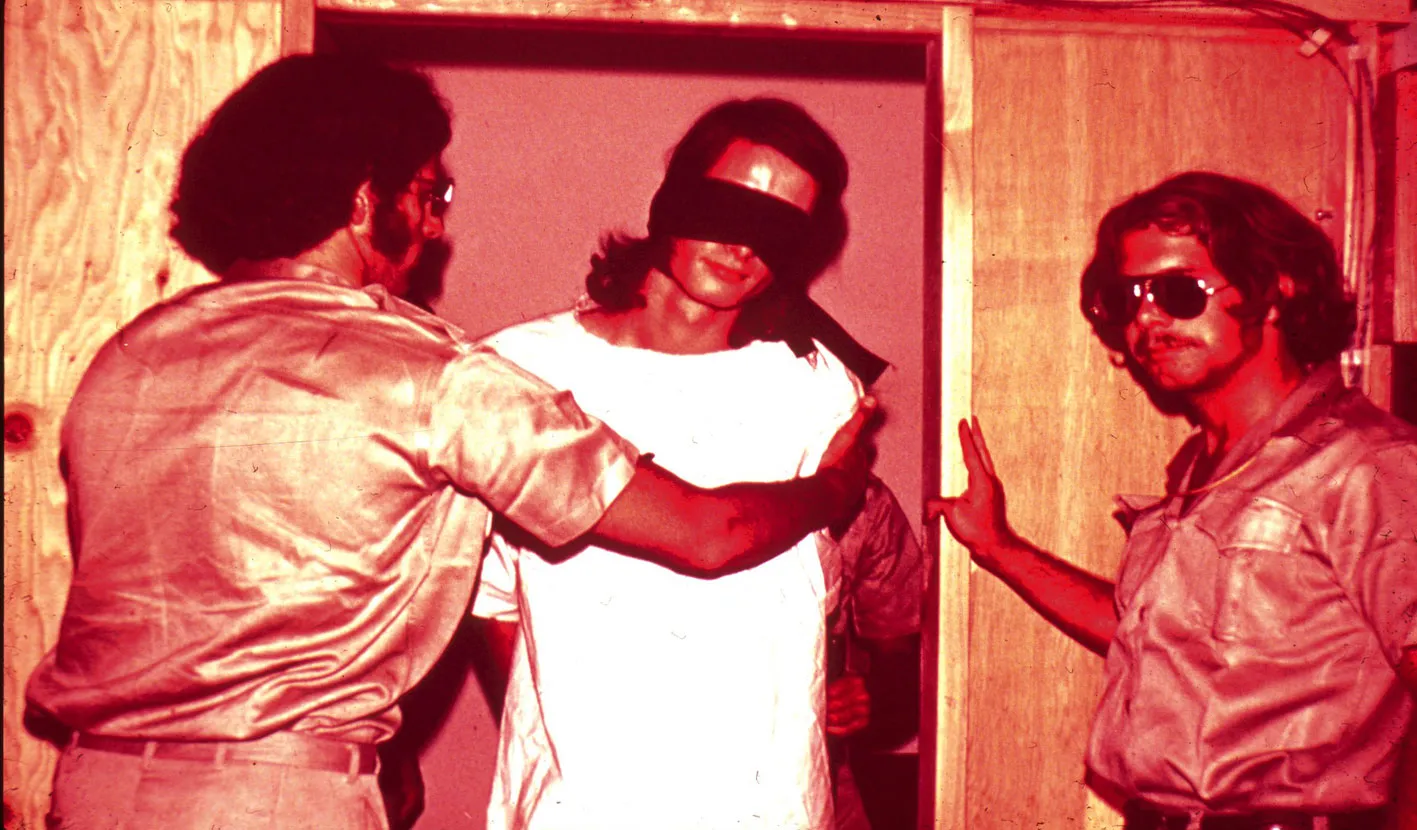
The Stanford Prison Experiment
In 1971, Zimbardo sought to explore the dynamics of prison life systematically. After posting an advertisement seeking male college students for a prison study, he selected 24 volunteers and used a coin toss to assign them as guards or prisoners. The experiment rapidly deteriorated.
Guards began wearing khaki uniforms and mirrored sunglasses, eventually subjecting prisoners to forced exercise, solitary confinement, and denial of food. Prisoners suffered mass panic and emotional distress. The study ended abruptly after six days when Zimbardo’s girlfriend expressed horror at the treatment of the volunteers.
Standing By the Results
Despite 21st-century critiques suggesting the study was manipulated or that participants were merely acting, Zimbardo remained steadfast. He dismissed claims of “acting” and maintained that social situational variables exert far more control over human behavior than previously assumed.
He continued his career studying shyness, military culture, and the psychology of evil, but he acknowledged that his prison simulation remains his most prominent work.