
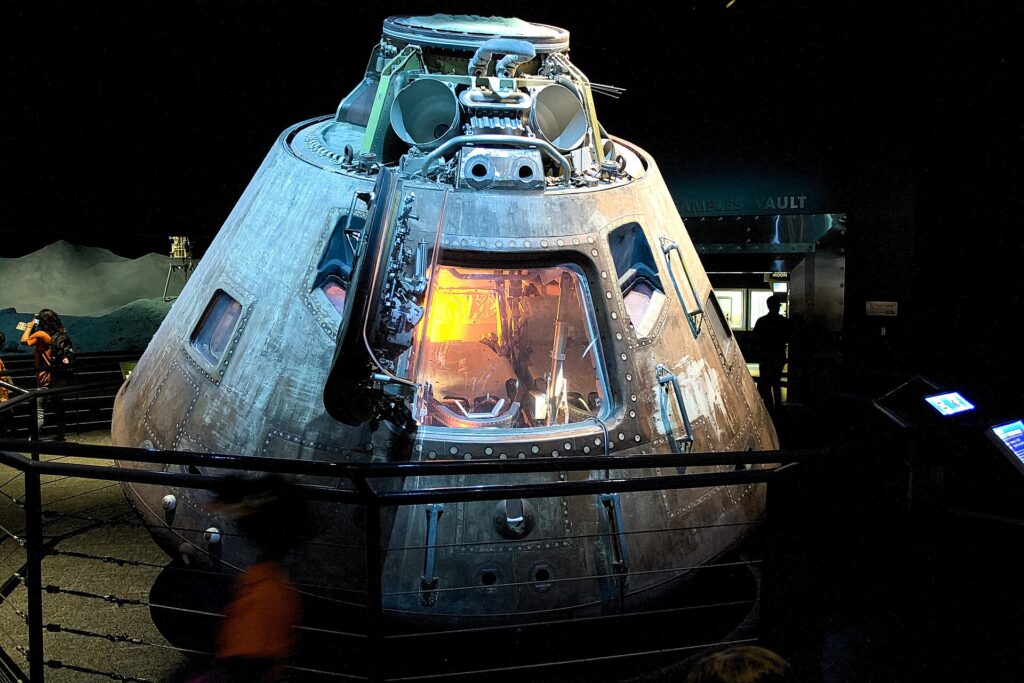
When humanity made its final journey to the lunar surface in 1972, three astronauts were not the only passengers aboard the spacecraft. Five tiny desert pocket mice accompanied the Apollo 17 crew, embarking on a record-breaking mission into deep space. Named Fee, Fi, Fo, Fum, and Phooey, these small animals spent days orbiting the Moon.
This highly monitored biological experiment set spaceflight duration records that remain unbroken decades later, marking a major milestone in space exploration history.
A Unique Biological Spaceflight Experiment
The Biological Cosmic Ray Experiment, known as BIOCORE, required subjects capable of surviving extreme conditions. Scientists selected pocket mice because the species naturally produces water metabolically, eliminating the need for a liquid water supply. They also produce highly concentrated waste and endure confined spaces.
Researchers implanted radiation dosimeters beneath the mice’s scalps to track cosmic ray exposure. Four additional mice stayed on Earth at the Kennedy Space Center and Ames Research Center to act as a scientific control group.
Setting Records in Lunar Orbit
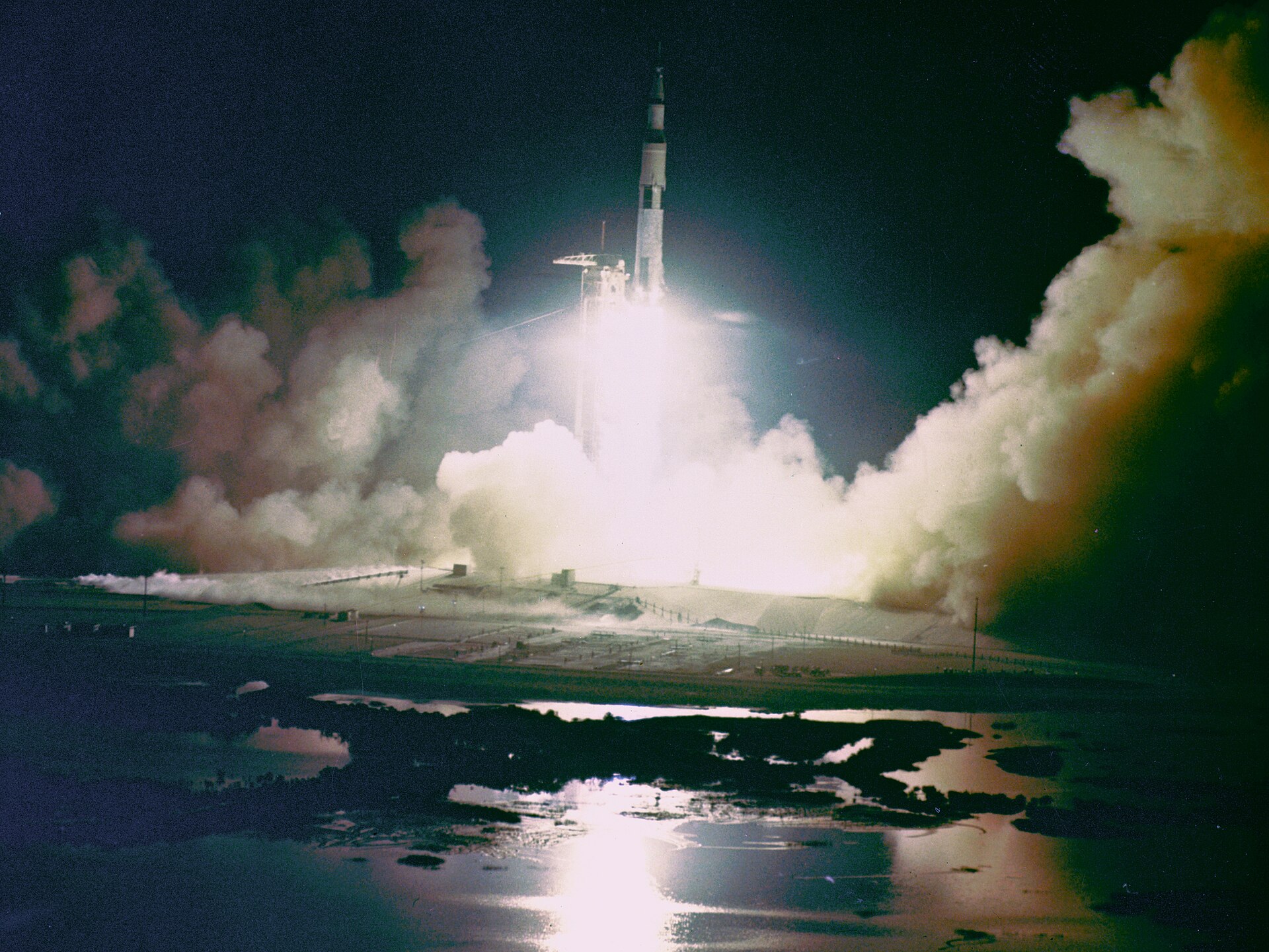
Apollo 17 launched on December 7, 1972. Inside the command module, the five mice lived in individual cylindrical tubes stored within an aluminum canister. They had enough food for the entire trip, and potassium superoxide reacted with carbon dioxide to generate fresh oxygen, making their habitat completely self-sufficient.
While astronauts Eugene Cernan and Harrison Schmitt descended to walk on the lunar surface, astronaut Ronald Evans stayed in the command module with the mice. Together, they orbited the Moon 75 times. They spent 147 hours and 43 minutes in lunar orbit, setting a spaceflight record for the most time spent orbiting the Moon by any living beings in the history of space travel.
Returning to Earth
The mission concluded when Apollo 17 splashed down in the Pacific Ocean on December 19. During the trip back, the life support canister containing the mice was filled with a mixture of oxygen and helium. Seven hours after landing, the canister was transported to a recovery laboratory in American Samoa. Upon opening the container, researchers discovered that four mice had survived the journey, while one male mouse had died during the flight.
Scientific Findings from Space Exploration
The surviving mice were euthanized for dissection to gather the planned biological data. Researchers transported the specimens to the Lyndon B. Johnson Tropical Medical Center and later to Duke University for detailed tissue analysis. Scientists examined their brains, ears, retinas, and organs for cosmic ray damage.
The dosimeter scans revealed that heavy cosmic particles had passed through the mice, but researchers found no damage to their retinas or viscera. The female mouse suffered a brain hemorrhage in her ear canal, which completely explained her subdued behavior after the spaceflight capsule finally landed.