
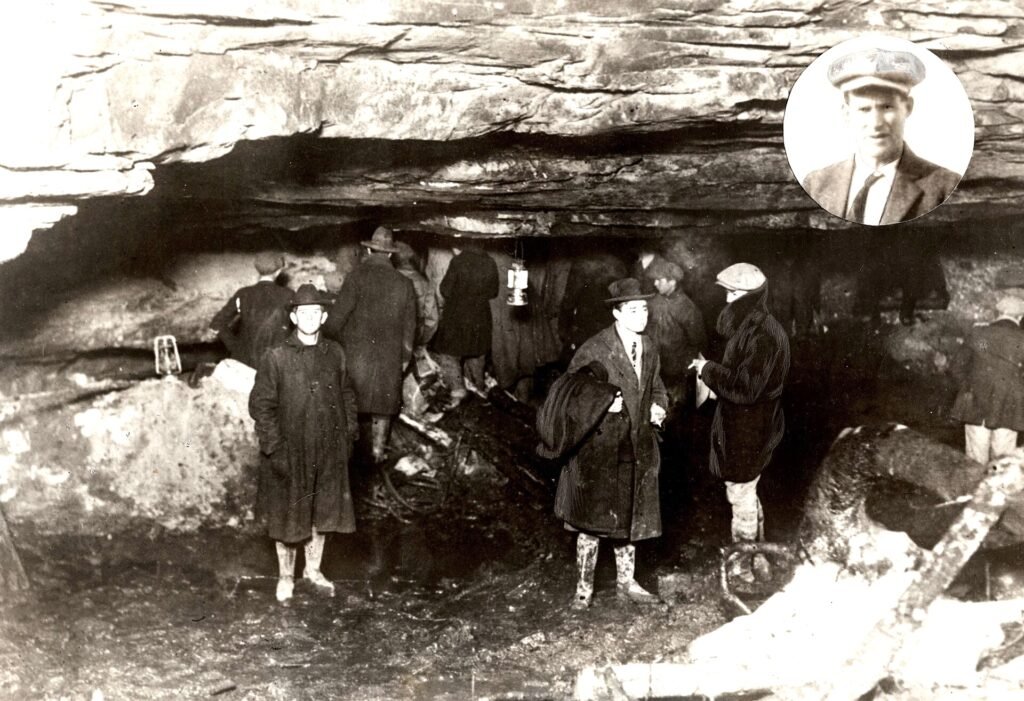
In the winter of 1925, a lone explorer ventured beneath the Kentucky surface in search of a profitable tourist attraction. What began as a routine excavation rapidly escalated into a desperate subterranean rescue mission and one of the first mass media events in American broadcasting history.
The nation listened in suspense as volunteers fought freezing temperatures and collapsing rocks to reach a man pinned 55 feet underground. This is the factual account of a disaster that drew thousands to a remote hillside and triggered a bizarre sequence of post-mortem events.
The Kentucky Cave Wars and Sand Cave
Floyd Collins operated during the “Kentucky Cave Wars,” a period when locals fiercely competed for underground tourism profits. After his 1917 discovery of Great Crystal Cave failed to attract crowds, Collins targeted a site closer to the highway.
On January 30, 1925, while enlarging a narrow passage in Sand Cave, his gas lamp dimmed. As he scrambled to exit, he accidentally knocked over the light. In the darkness, a 26.5-pound (12-kilogram) rock fell from the ceiling, pinning his left leg. He was trapped 150 feet (46 meters) from the entrance.
A Frantic Rescue Broadcasted Live
Rescue workers navigated the tight passages to bring Collins food and run an electric light down the shaft. An initial attempt to extract him using a rope harness failed. Meanwhile, the crisis above ground exploded into a massive media event.
Radio stations broadcasted bulletins, and Charles Lindbergh was hired to fly photographic negatives to newspapers. The intense coverage attracted tens of thousands of onlookers to the site, creating a chaotic atmosphere where vendors sold hamburgers and souvenirs just yards from the cavern entrance.
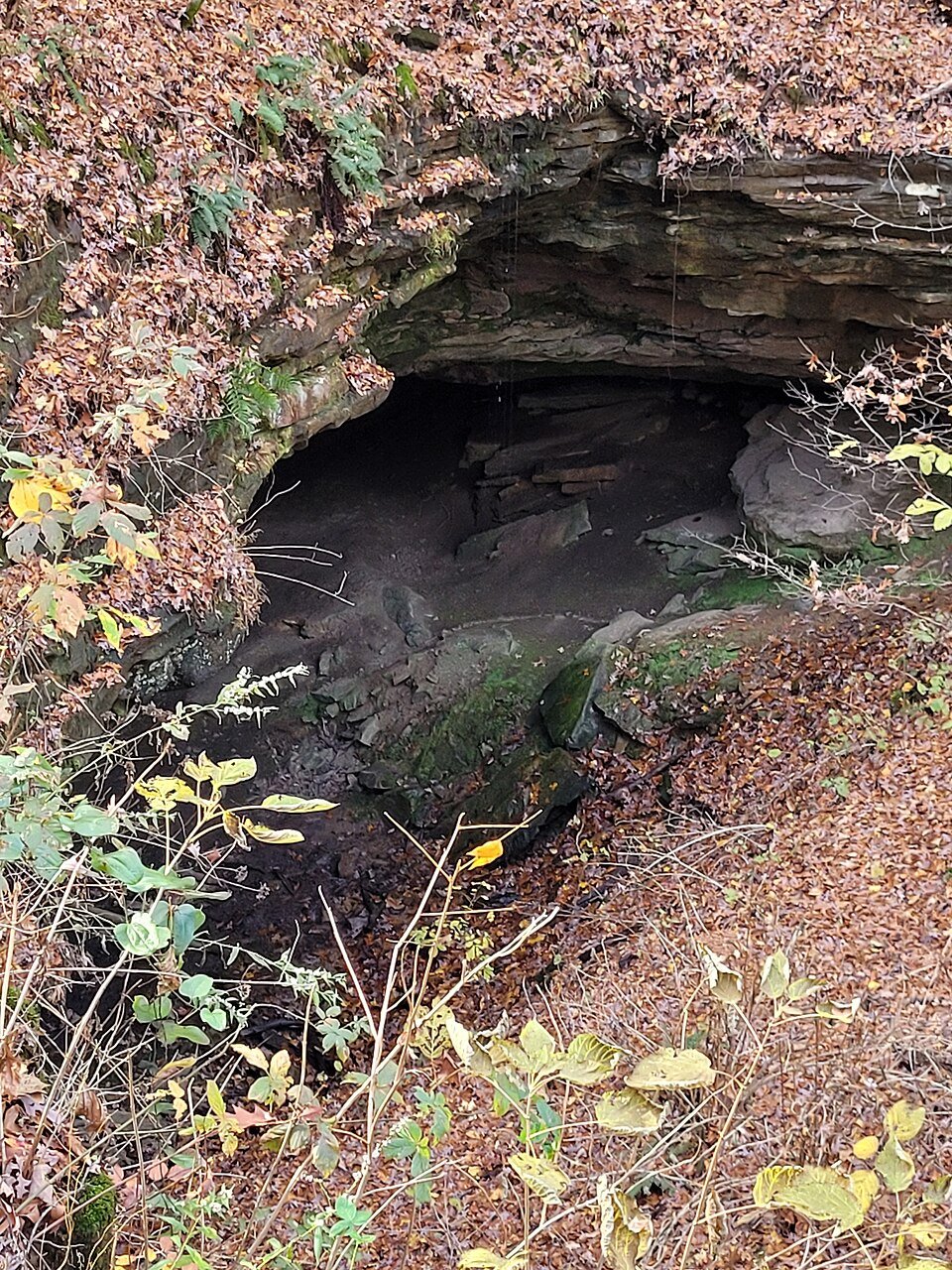
The Vertical Shaft and Final Attempt
On February 4, melting ice caused a cave-in that blocked the primary rescue passage. Rescue leaders organized a team of 75 volunteers to dig a 55-foot (17-meter) vertical shaft down to Collins. Operating purely with pickaxes and shovels to avoid toxic machinery fumes, the crew dug for days.
By February 11, the electric light bulb next to Collins went out. When miner Ed Brenner finally breached the chamber on February 16, Collins was dead. Medical examiners estimated he died of exposure, thirst, and hunger roughly three days prior.
The Bizarre Exhibition of a Corpse
In April 1925, his family retrieved the body and buried it at their farm. Two years later, the property was sold. The new owner exhumed the corpse, placed it in a glass-topped coffin, and exhibited it to paying tourists inside Crystal Cave. In 1929, thieves stole the body.
When authorities recovered it in a nearby field, the injured left leg was missing. The remains were kept in a chained casket inside the cave until 1989, when the National Park Service officially relocated him to a local cemetery.