
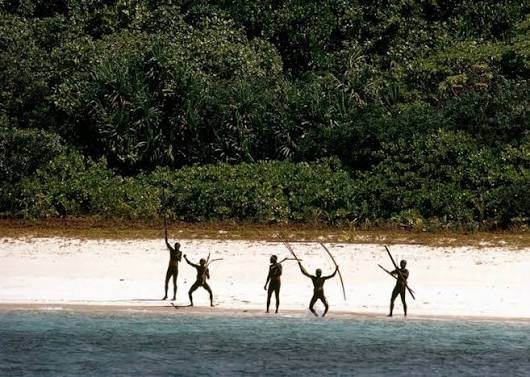
Hidden in the Bay of Bengal is a landmass where approaching boats are consistently met with a barrage of arrows. Lying just 50 kilometres (31.1 miles) west of Port Blair, a dense forest thrives surrounded by coral reefs. This isolated territory is North Sentinel Island.
The inhabitants fiercely reject the outside world, attacking anyone who dares to cross the strictly enforced 5-kilometre (3.1-mile) exclusion zone. The Government of India heavily patrols these waters to protect the indigenous population from foreign diseases.
Surviving Shipwrecks and Peaceful Encounters
The historical timeline of outside contact involves both hostility and rare moments of peace. In 1981, the cargo ship MV Primrose ran aground on the reefs. Crew members observed men on the beach building boats and carrying spears, eventually requiring a helicopter rescue after a week trapped by heavy seas.
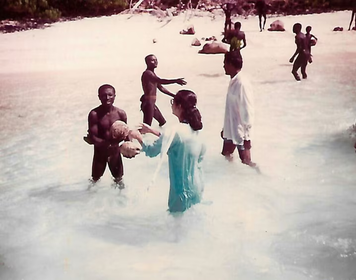
Conversely, in 1991, anthropologists Triloknath Pandit and Madhumala Chattopadhyay successfully executed a peaceful exchange. The researchers floated coconuts toward the shore, and the Sentinelese cautiously accepted the gifts without violence.
Tragic Breaches of the Exclusion Zone
Despite strict laws, outsiders occasionally breach the restricted waters, frequently with fatal outcomes. In 2006, the Sentinelese killed two fishermen who were illegally operating within the protected area. In 2018, an American missionary named John Allen Chau paid local fishermen to ferry him to the island.
His goal was to preach Christianity, but the tribesmen killed him on the beach. Indian authorities ultimately abandoned their efforts to recover his body to prevent further physical clashes with the isolated population.
Earthquakes and Geographic Alterations
Nature itself has heavily reshaped this guarded territory. The 2004 Indian Ocean earthquake tilted the tectonic plate beneath the archipelago, lifting North Sentinel Island by 1 to 2 metres (3.3 to 6.6 feet). This massive geological shift exposed large tracts of the surrounding coral reefs, turning them into dry land.
The seismic shift extended the island’s boundaries by up to 1 kilometre (0.62 miles) on the western and southern sides, physically altering the exact landscape the Sentinelese inhabit.
The Unseen Flora and Fauna
Because the Indian government strictly prohibits mainland exploration, the exact biological makeup of the island remains largely unmapped. Early British surveyors reported an open jungle environment filled with bulletwood trees and wild Indian boar. The boars serve as a primary food source for the native population.
Environmental organizations list the island as a critical habitat for coconut crabs and diverse birdlife. The surrounding marine ecosystem features sea turtles and sharks, creating a robust natural barrier around the inhabitants.