
In May 1976, Colombian police arrested a 26-year-old smuggler with 85 pounds (38.5 kilograms) of cocaine hidden in his vehicle. As officers processed the suspect, a photographer snapped a booking photo of the young man in a collared shirt. Instead of looking frightened, the prisoner stared directly into the camera and offered a wide, confident grin.
That photograph captured Pablo Escobar right before he built the Medellín Cartel and amassed a $60 billion drug fortune. The events following this arrest set the stage for a violent reign that would alter global history.
A High School Dropout Turns to Crime
Pablo Emilio Escobar Gaviria was born on December 1, 1949, into deep poverty in Rionegro, Colombia. He grew up in Medellín and dropped out of school at age 16 to roam the streets with his cousin Gustavo. To make money, he sanded names off stolen cemetery tombstones for resale, falsified diplomas, and stole cars.
By utilizing his established street connections, he transitioned from minor thefts to smuggling illegal drugs. During this period, demand for cocaine was surging across the United States. Escobar recognized the financial opportunity and positioned himself to supply that rapidly growing market.
The 1976 Arrest and the Smiling Photograph
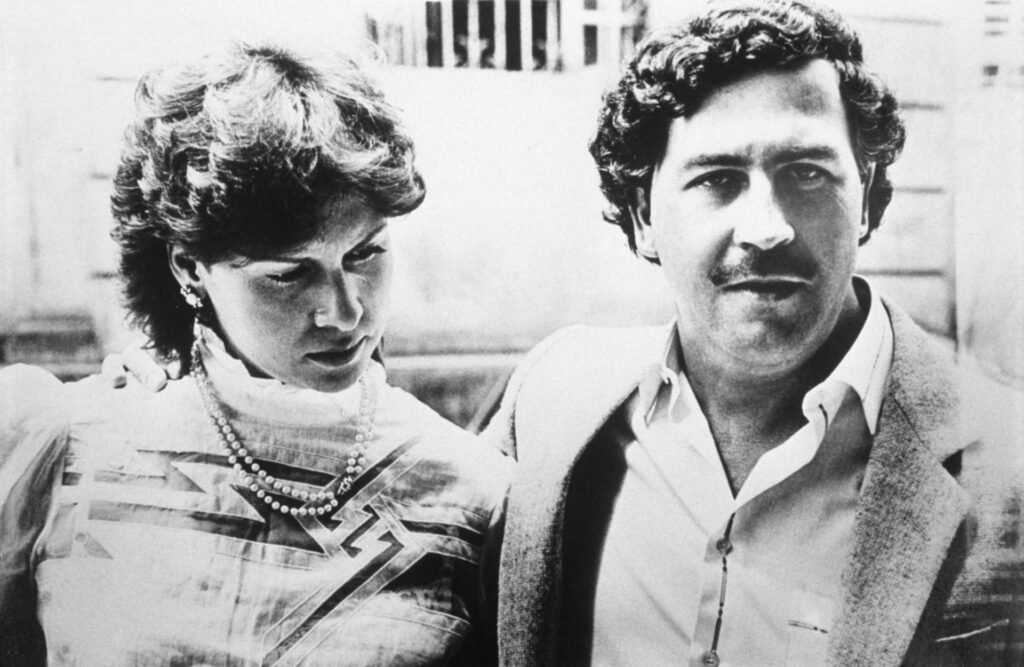
By early 1976, Escobar married Maria Victoria Henao and began organizing producers and distributors. In May of that year, he and his associates returned from a smuggling run in Ecuador. Agents from the Departamento Administrativo de Seguridad stopped Escobar and searched his vehicle.
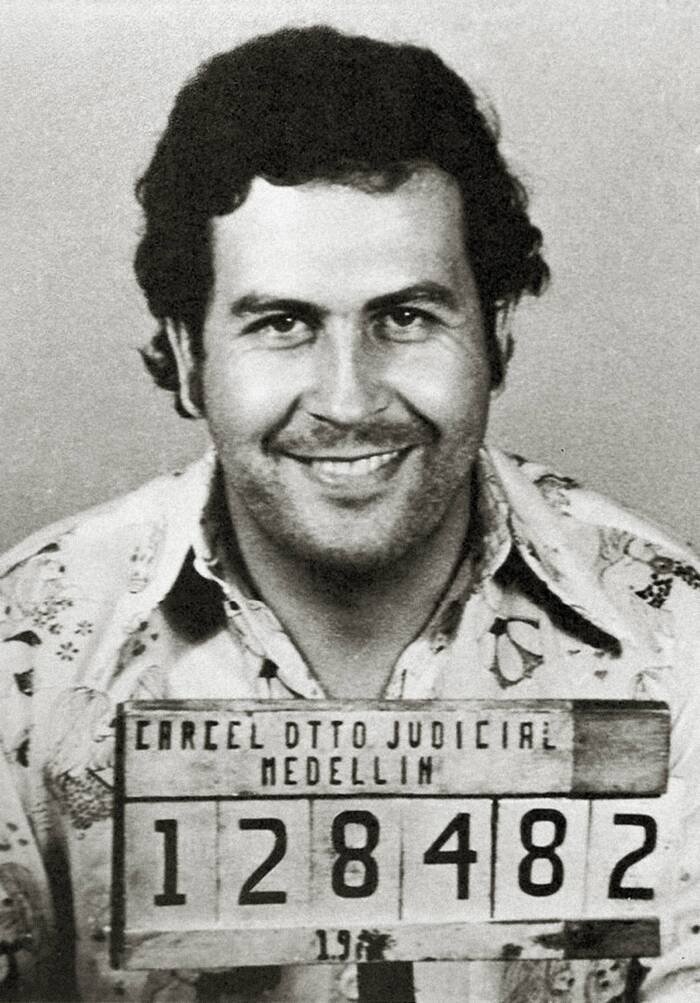
Upon discovering the 85 pounds (38.5 kilograms) of cocaine, the agents ignored his attempts at bribery and took him into custody. At the police station, officials took his fingerprints and booking photos. Escobar stood relaxed with no tension in his shoulders. He simply smiled for the camera as the shutter clicked.
Bribes, Murder, and Evading Justice
The physical evidence against Escobar was absolute. He had been caught transporting a massive quantity of narcotics. To escape a lengthy prison sentence, Escobar paid off the judge presiding over his case. Shortly after the arrest, the two DAS agents who had detained Escobar were murdered.
Without the arresting officers to testify, the case collapsed. Escobar faced no conviction, paid no fines, and dealt with no civil suits. The only official record left from the entire ordeal was the photograph of his grinning face.
The Rise and Fall of the Medellín Cartel
Following his release, Escobar rapidly expanded his smuggling operations until he controlled 80 percent of the global cocaine supply. He and the Medellín Cartel utilized extreme violence to maintain their absolute power, murdering thousands of police officers, politicians, journalists, and civilians.
In 1989, the cartel even bombed a domestic commercial flight, killing over 100 passengers. Escobar operated above the law for years until authorities finally cornered him. On December 2, 1993, police shot and killed Escobar as he attempted to flee across the rooftops of a Medellín neighborhood.