
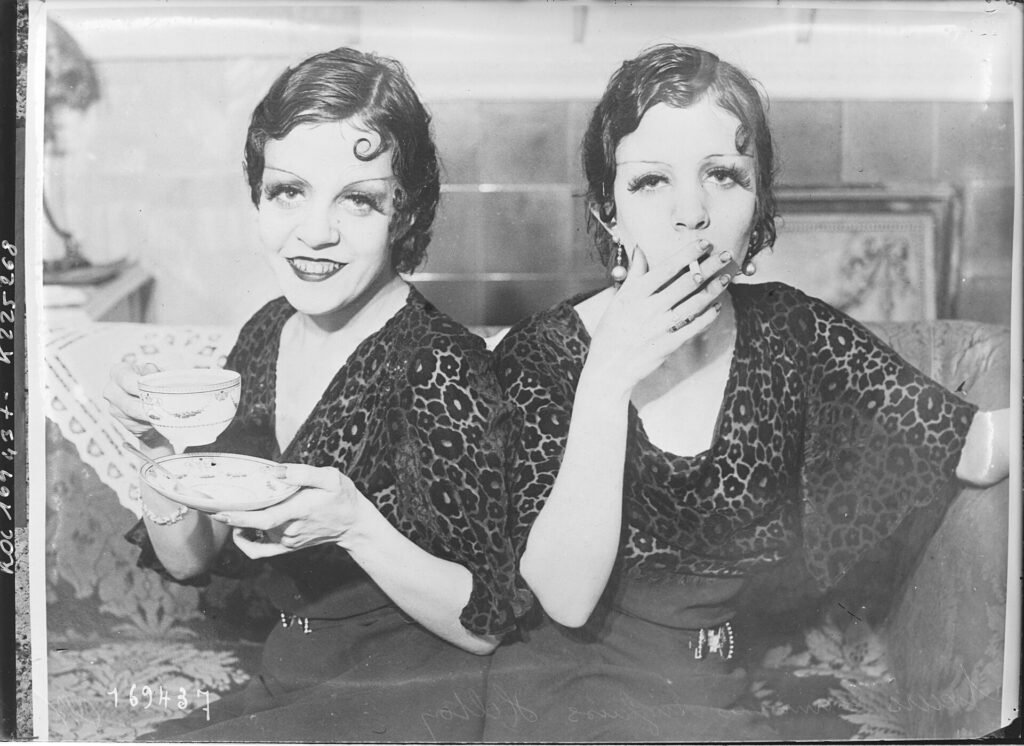
Born on February 5, 1908, in Brighton, England, to an unmarried barmaid named Kate Skinner, the girls were conjoined at the hips and buttocks. They shared blood circulation but no major organs. Skinner abandoned them, and Mary Hilton, a local pub landlady, took custody.
Mary monetized the girls, selling postcards and charging patrons to lift the infants’ clothing to view their joined flesh. As they grew, Mary trained them in music and dance, touring them across Europe, Australia, and the United States. When the sisters resisted, Mary beat them with a belt buckle.
Captivity and Emancipation: Breaking Free from the Meyers
Following Mary Hilton’s death in 1919, the twins’ management passed to her daughter, Edith, and Edith’s husband, Meyer Meyers. The couple moved the girls to a mansion in San Antonio, Texas, where they were held captive and physically abused.
The Meyers trained them in jazz and collected all of their earnings, despite the sisters making thousands of dollars a week. In 1931, acting on advice from illusionist Harry Houdini, the sisters sued the Meyers. They won their legal emancipation and $100,000 in damages.
Finding Fame on the Silver Screen and Vaudeville Stages
Managing their own careers, the twins entered vaudeville as “The Hilton Sisters’ Revue.” To distinguish themselves, Daisy dyed her hair blonde. In 1932, they appeared in the Metro-Goldwyn-Mayer film Freaks, and later starred in the 1951 film Chained for Life.
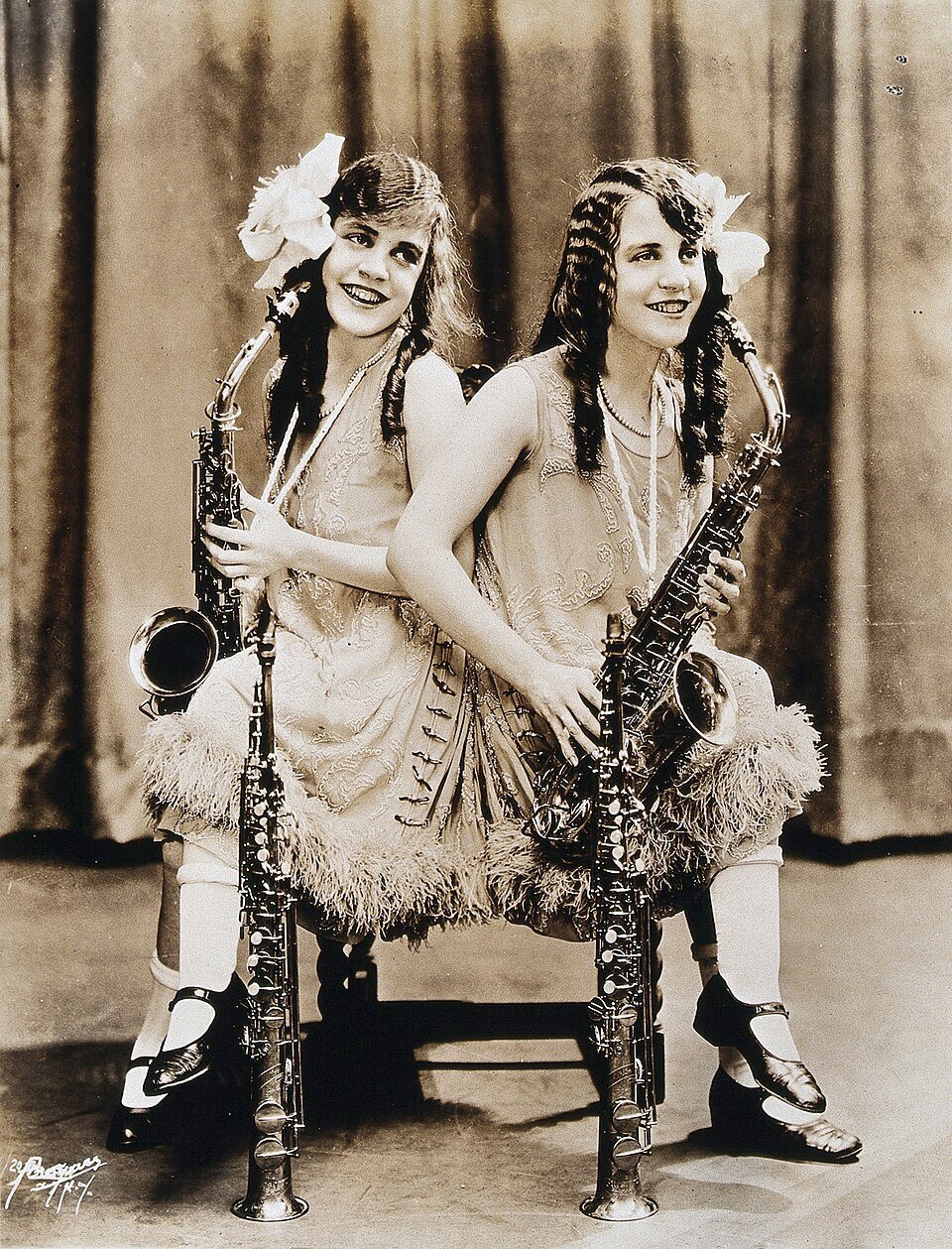
During this era, Violet married actor James Moore in a publicized event, while a pregnant Daisy later married dancer Buddy Sawyer for ten days. As interest in vaudeville faded, the sisters struggled to maintain their income, turning to burlesque venues to make ends meet.
The Final Years in Charlotte, North Carolina
The sisters’ careers ended abruptly in 1961 when their manager abandoned them at a drive-in theater in Charlotte, North Carolina. Left without money, the twins sought work at a grocery store. The owner hired them and constructed a custom two-person cashier station to obscure their condition from customers.
On January 4, 1969, after the women failed to arrive for work, police found them dead in their home from the Hong Kong flu. Autopsies showed that Daisy died first, and Violet lived for two to four additional days without calling for assistance.