
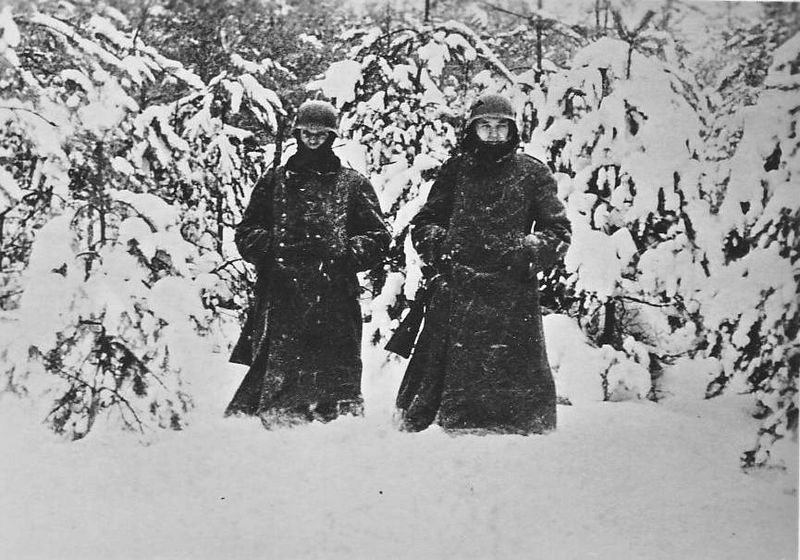
Seventeen-year-old Genia Melzer survived a mass execution by lying still atop a pile of bodies. She was one of roughly 100 individuals who escaped the liquidation of the Podhajce ghetto between 1942 and 1943. Nazi extermination squads had targeted the 3,000 Jewish residents of Zawalow, forcing survivors to flee into the frozen Polish wilderness.
With no safe haven in sight, a desperate group of 23 people knocked on the door of a poor Christian family. What followed was a massive year-long rescue operation led by a local teenager named Julian Bilecki.
Digging a Sanctuary in the Woods
The Bilecki family lived in modest conditions and lacked the physical space to hide 23 people inside their home. Aware of the severe penalties for harboring fugitives, teenager Julian Bilecki devised a plan to build an earthen bunker deep in the nearby forest.
He and his family dug a large pit, constructed a roof using branches, and disguised the structure with a thick layer of dirt. The group lived entirely underground. To avoid detection by military patrols, they only burned wood and cooked their meager rations under the cover of night.
Evading Detection in the Winter Snow
Keeping the location completely hidden required extreme caution during the bitter winter months. When Julian delivered supplies, he climbed through the tree canopy and dropped food down to avoid leaving footprints in the fresh snow. Despite these intense precautions, authorities discovered their hiding spots twice.
The group was forced to abandon their shelters and relocate. During one tense transition to a third bunker, the emaciated survivors survived entirely on a field of raw, newly sprouted mushrooms for a full week while waiting for Julian to safely reach them.
Potatoes, Beans, and Forest Hymns
Sustaining 23 people required immense effort from the impoverished Bilecki family. Every day, Julian or his relatives hauled heavy sacks of potatoes, beans, and cornmeal to a pre-arranged drop zone in the woods. Under the cover of darkness, one person from the bunker would retrieve the food.
Once a week, a member of the Bilecki household visited the underground hideout to share news of the outside world and sing hymns with the group. This routine continued uninterrupted until the Russian Army arrived on March 27, 1944, liberating the region.
A Flight Across the Atlantic
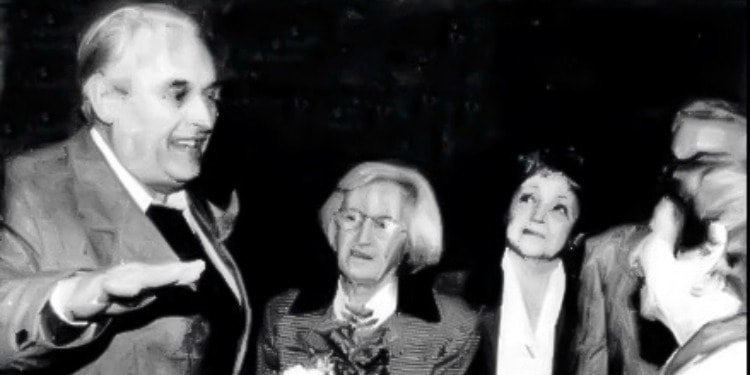
The rescued individuals eventually dispersed globally but consistently sent money back to Julian, who remained in his hometown working as a bus driver. In 1998, the Jewish Foundation for the Righteous arranged a reunion in New York City.
The organization purchased a ticket for the 70-year-old Julian, marking his first time leaving his country and flying in an airplane. When he arrived at JFK Airport to meet the aging men and women he had saved, Julian brought only two items with him: a Bible and a simple bag of mushrooms.