
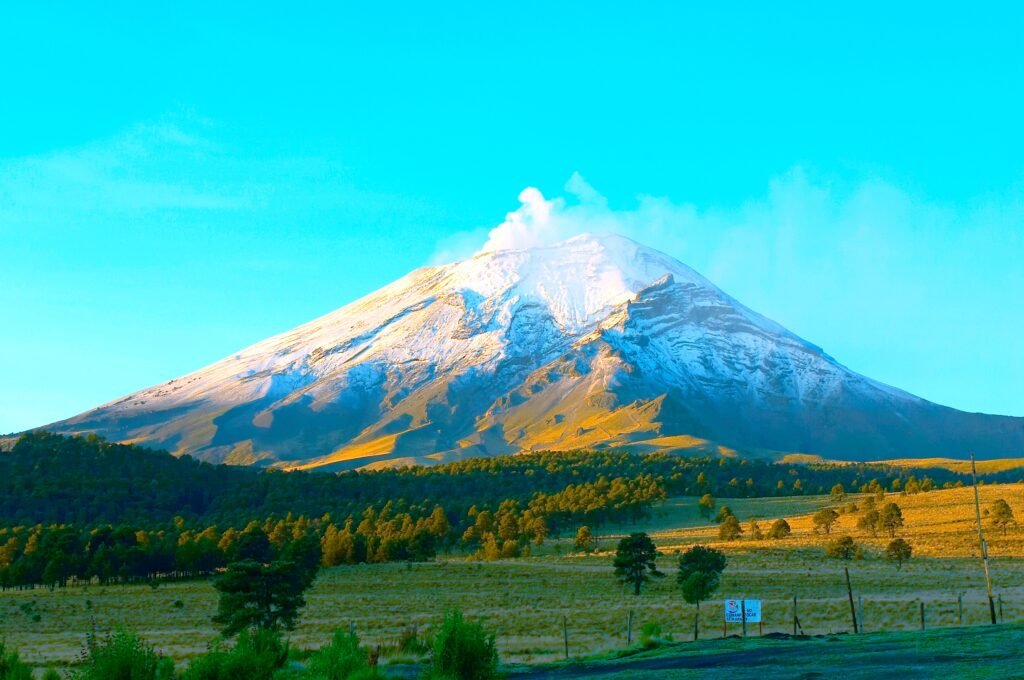
Long before modern mountaineers tackled the European Alps, a group of Spanish conquistadores accomplished a staggering alpine feat in North America. In the 1520s, Hernán Cortés ordered his men to scale Popocatepetl, a towering Mexican volcano reaching 17,888 feet (5,452 meters) into the sky.
The peak was in the middle of a violent eruption, spewing ash and heated rocks. Lacking ice axes, crampons, or modern climbing gear, these explorers set out to conquer the treacherous slopes and extract crucial resources directly from the fiery crater.
The Secret of the Smoke
The initial attempt to climb the volcano took place around 1520 when Cortés sent Diego de Ordaz to investigate the source of the smoke. Ordaz and his men battled freezing temperatures and blinding ash.
While historical accounts differ on whether Ordaz reached the absolute summit, his party returned with snow and icicles, proving they had reached the high-altitude ice fields. Realizing the crater contained abundant sulphur, a vital ingredient for manufacturing gunpowder, Cortés commissioned a second expedition in 1522, led by Francisco Montaño and four other Spaniards.
Surviving the Frozen Slopes
Montaño’s team began their climb at noon, accompanied by indigenous porters carrying supplies with forehead straps. As night fell, the men dug a shallow cavity into the mountainside to escape the extreme cold. Sulphur fumes quickly drove them out of their shelter, forcing them to stand shivering in the absolute darkness.
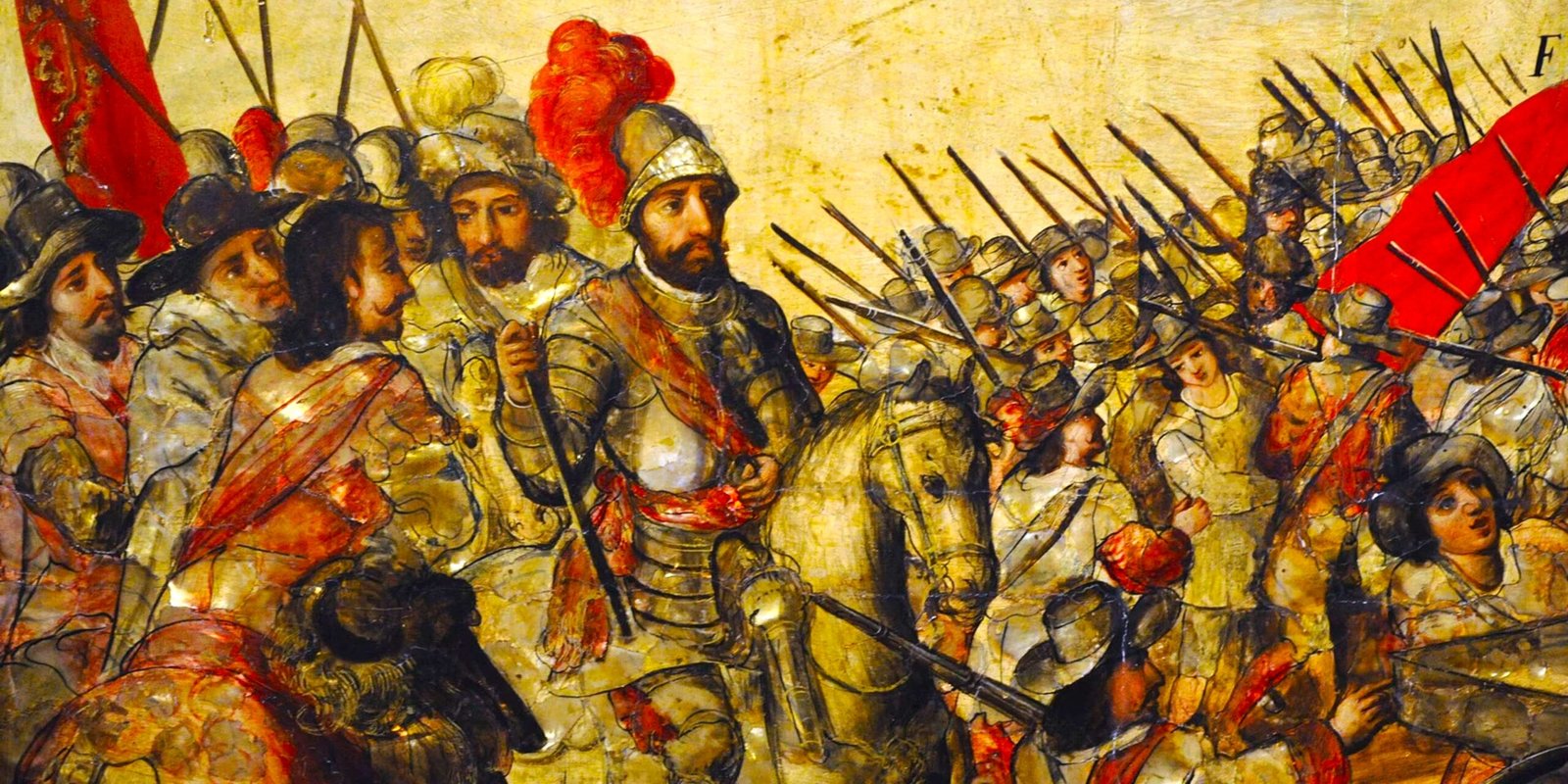
At one point, a climber slipped into a deep crevasse but managed to survive by clinging to a massive icicle until his companions pulled him to safety. At dawn, a sudden eruption shook the mountain. The blast ejected a heated stone that rolled near the climbers, providing them with a brief, unexpected source of warmth.
Lowered into the Fire
Leaving one exhausted man behind, the remaining climbers reached the edge of the crater. The earth continuously rumbled beneath their feet as smoke and steam obscured the seething lava below. The men cast lots to determine who would descend into the active vent, and Francisco Montaño drew the short straw. His companions tied a slender, native-woven rope around his waist and lowered him several hundred feet, or approximately 100 meters, into the choking abyss.
A Triumphant Return
Overcome by noxious fumes and suspended by a fragile cord, Montaño filled a bag with sulphur. He was hauled up and lowered back down seven separate times. His companion, Juan de Larios, then took a turn and made six additional descents. Together, they extracted about 300 pounds (136 kilograms) of sulphur.
The heavily burdened men carefully navigated the snow-covered crevasses during their descent. Despite their unprecedented feat, Montaño received only a meager salary and a small land grant for his efforts. Popocatepetl would not see another successful climb for exactly three centuries.