
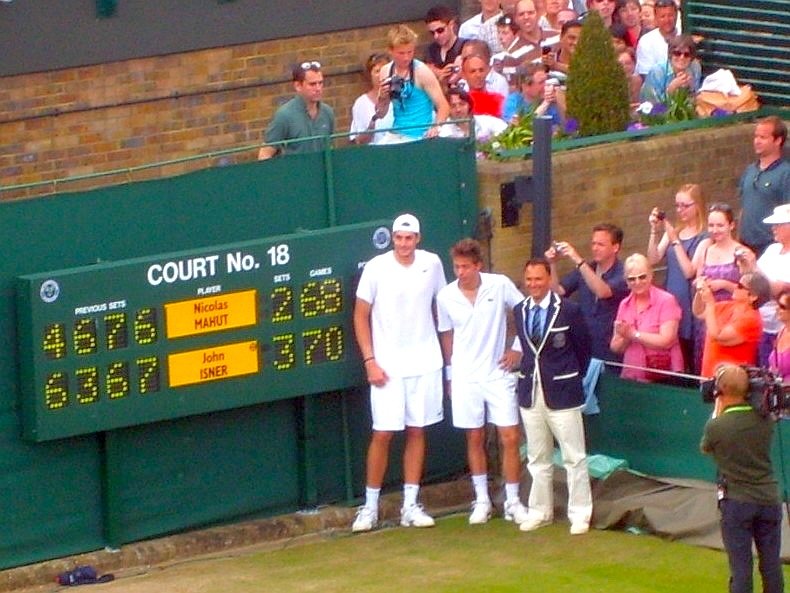
In June 2010, the grass courts of Wimbledon hosted a first-round men’s singles match between American John Isner and French qualifier Nicolas Mahut. What began as a standard opening-round contest transformed into an unprecedented physical and mental marathon that stretched across three days. The resulting battle shattered all professional tennis endurance records and permanently altered the rulebook of Grand Slam tournaments.
Day One: A Normal Start to a Record-Breaking Event
The match commenced at 6:13 p.m. on Tuesday, June 22, on Court 18. The first four sets followed a standard competitive trajectory. Isner secured the first set 6-4, while Mahut claimed the second 6-3. The third and fourth sets required tiebreaks, with Mahut winning the third and Isner taking the fourth.
Because Grand Slam rules at the time did not allow a final-set tiebreak at Wimbledon, the fifth set had to be won by two clear games. Play was suspended at 9:07 p.m. due to darkness, with the score tied at two sets apiece.
Day Two: Pushing Past Human Limits
When the players returned to the court at 2:05 p.m. on Wednesday, June 23, they began a fifth set that defied expectations. At 5:45 p.m., the contest officially became the longest match in tennis history. Both men held their service games with astonishing consistency, refusing to yield a break. Isner failed to convert four match points as the game count climbed to unimaginable numbers.
The electronic courtside scoreboard malfunctioned at 47-47, as programmers had never designed the system to calculate a score that high. Play was suspended a second time due to darkness at 9:09 p.m., with the fifth-set score locked at an unbelievable 59-59.
Day Three: The Final Breakthrough
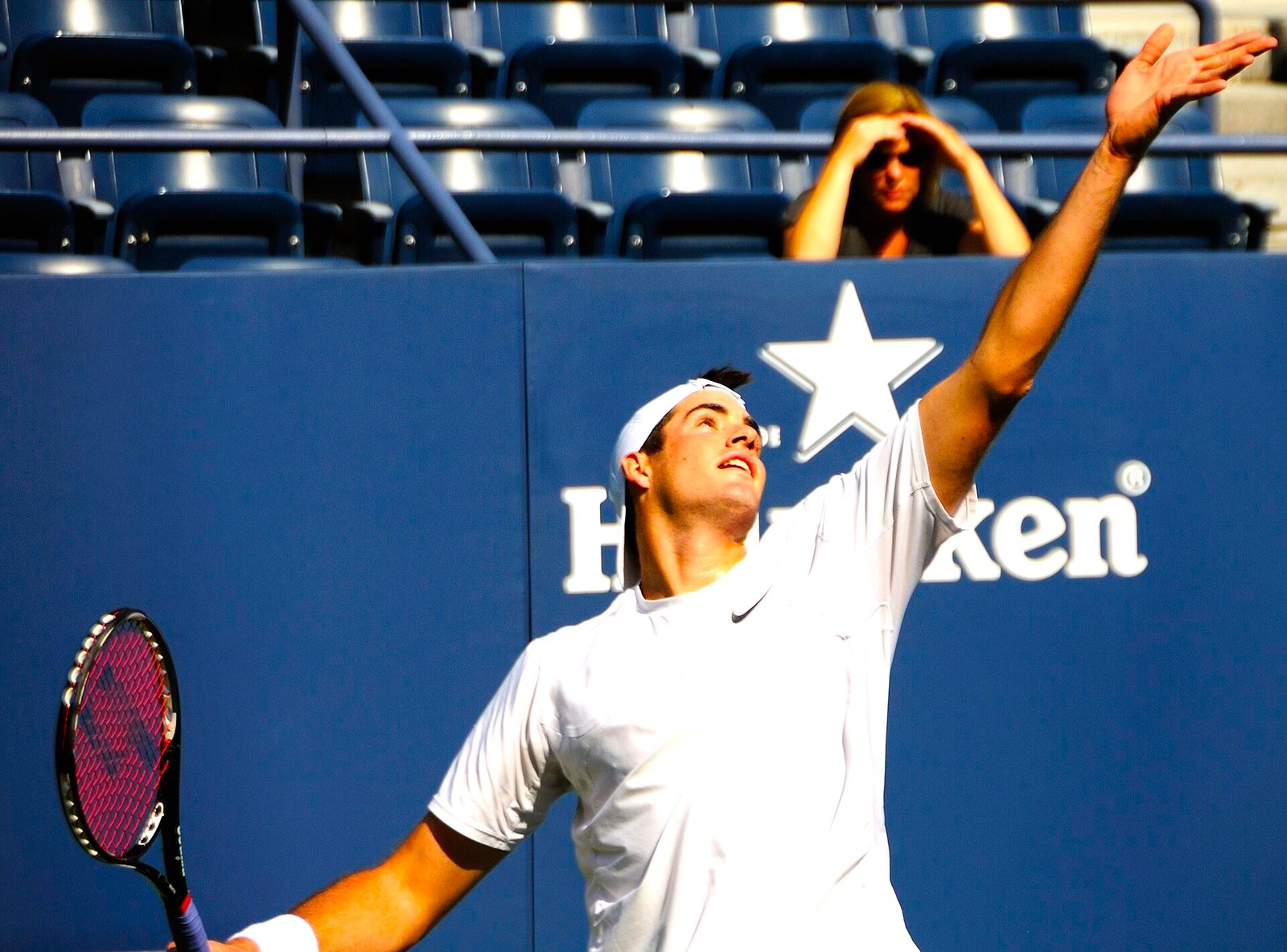
Exhausted but determined, both athletes returned on Thursday, June 24. They continued to hold serve until Isner finally secured a break point and converted it with a down-the-line backhand passing shot.
Isner won the deciding set 70-68. The final set alone lasted eight hours and eleven minutes, making it longer than any previous complete tennis match. In total, the contest lasted eleven hours and five minutes.
The Records and Rule Changes
The marathon match set eleven tennis records. Over 183 total games, the men played a staggering 980 points. Both players shattered the previous record for most aces served in a single match; Isner hit 113, and Mahut delivered 103.
The All England Club honored both men with a crystal bowl and placed a commemorative plaque at Court 18. Recognizing the immense physical toll such marathons take on players, Wimbledon and other Grand Slam tournaments eventually instituted final-set tiebreaks to ensure a match of this extreme duration would never happen again.