
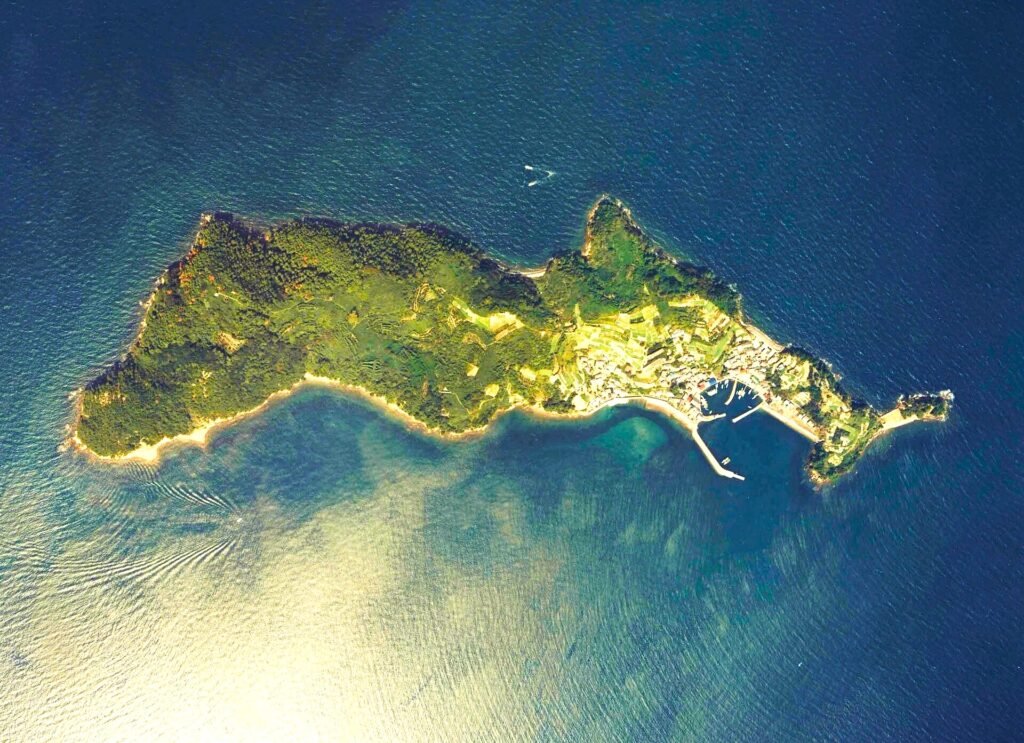
A narrow strip of land off the coast of Ehime Prefecture, Japan, holds one of the strangest demographic imbalances on Earth. Once a thriving fishing settlement packed with hundreds of workers, Aoshima transformed into a sanctuary where four-legged hunters took over the streets.
Fishermen introduced the animals to kill rodents aboard wooden boats, yet the four-legged population exploded while people moved away. Today, dozens of cats wander the quiet pathways of an island that now houses only four human beings.
From Thriving Sardine Capital to Deserted Streets
Settlers founded the village in 1639 when sixteen families relocated from Sakoshi Village. They built an economy based on sardine netting and farming. By 1945, around 900 people lived on the 1.6-kilometer (1-mile) island, and household counts peaked at 165 in 1960.
When sardine stocks collapsed, jobs moved to urban centers on the mainland. Aoshima Elementary School shut down in March 1979, becoming a community center and a base for visitors. By 2013, only 50 residents remained. That count dropped to thirteen in 2018, six in 2019, five in 2023, and just four by late 2024.
The Rise of the Feline Majority
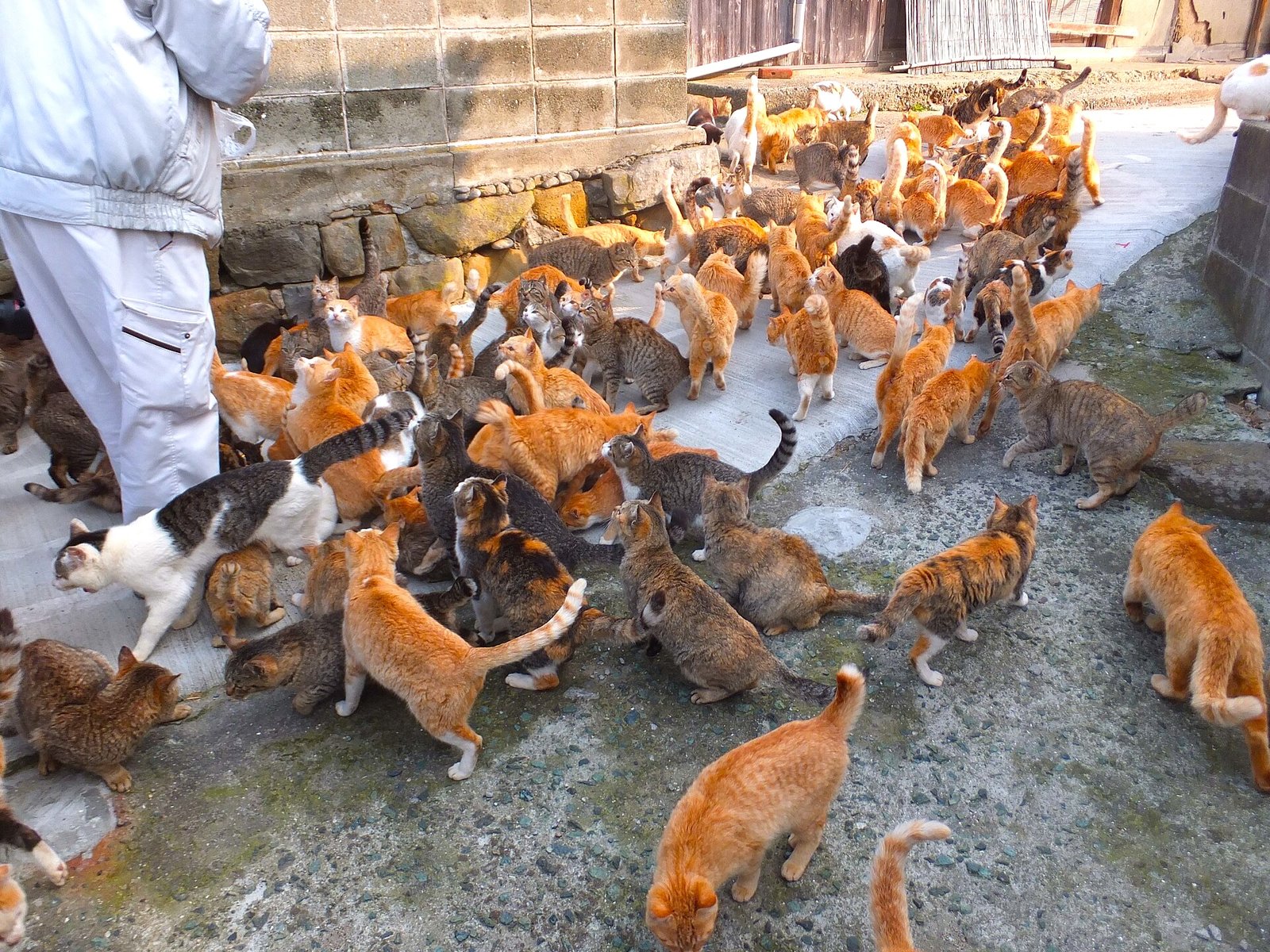
Local crews brought cats aboard their vessels to protect wooden gear from mice. The animals bred on shore and took over the empty properties. Between 2015 and 2018, between 120 and 130 felines occupied the village, causing the animal-to-human ratio to reach 36 to 1.
To manage the population alongside the aging human community, veterinarians neutered 210 animals by October 2018, though roughly ten escaped capture when a local resident hid them. Today, the animal group has dwindled to approximately 80 cats, all at least seven years old. Around one-third suffer from blindness or respiratory ailments linked to decades of inbreeding.
Weather Damage and Growing Restrictions
Heavy rains, strong winds, and typhoons have battered the remaining structures. Collapsed wooden buildings block alleys, forcing authorities to close the pathway to the breakwater and ban tourists from residential areas.
The remaining felines survive on donations shipped from across Japan, island wildlife, and food brought by visitors arriving on the daily ferry from Nagahama Port in Ozu. Local assessments indicate the community may lose its final human residents entirely within the next five years.