
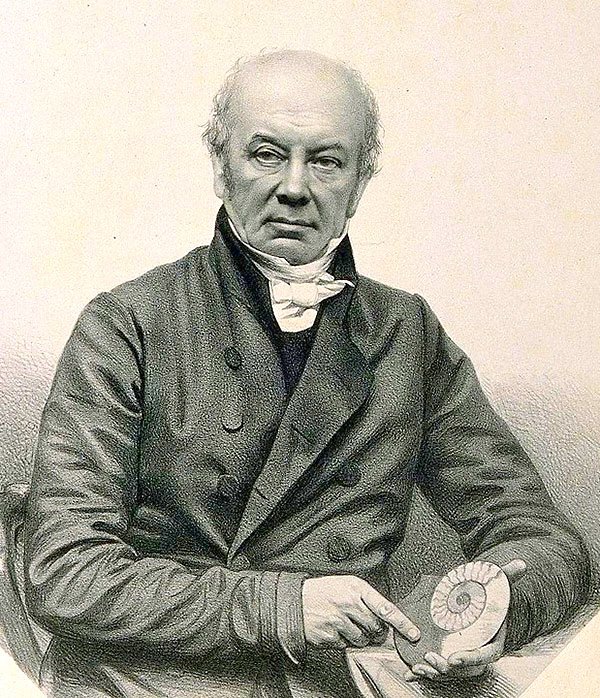
In 1848, an Oxford geologist sat at an English nobleman’s dinner table, inspected a silver locket containing the mummified heart of French King Louis XIV, and swallowed it whole. Born in Devonshire in 1784, William Buckland built a career as a pioneering geologist, paleontologist, priest, and lecturer while pursuing an unusual personal mission: tasting every animal species on Earth. From serving mice on toast to testing cathedral walls with his tongue, Buckland’s habits shocked Victorian high society long before his burial in Westminster Abbey.
Oxford’s First Geology Lecturer and His Menagerie
Buckland entered Oxford on a scholarship in 1801 and became the university’s first student of geology, later serving there as both a lecturer and a priest. In the lecture hall, he shouted questions at students while thrusting a hyena skull toward their faces. At his deanery residence, Buckland kept live snakes, eagles, monkeys, and a pet hyena named Billy. As a member of the Society for the Acclimatization of Animals, he imported foreign species to Britain to study and eat them.
Mice on Toast, Bluebottle Flies, and Bat Urine
Buckland hosted dinner parties featuring exotic meats, serving guests porpoise, panther, and puppy alongside his personal favorite, mice on toast. Through the Society for the Acclimatization of Animals, he also sampled sea slugs, kangaroo, and curassow. Of all the creatures he tasted, Buckland named the common mole and the bluebottle fly as the worst. His habit extended beyond animals during a visit to an Italian cathedral. When locals claimed dark stains on the limestone walls and floors were a saint’s blood, Buckland licked the stone and identified the substance as bat urine.
How a French Royal Heart Reached an English Dinner Table
Starting in the 13th century, French embalmers removed and mummified the internal organs of deceased monarchs for separate burial. King Louis XIV’s heart originally rested beside his father’s in a crystal case on a velvet pillow until the French Revolution disrupted royal tombs. Most of the dried organ was later ground into mummy brown, a paint pigment favored by Pre-Raphaelite artists. A walnut-sized fragment survived, however, and eventually entered the possession of the Harcourt family in England inside a silver locket.
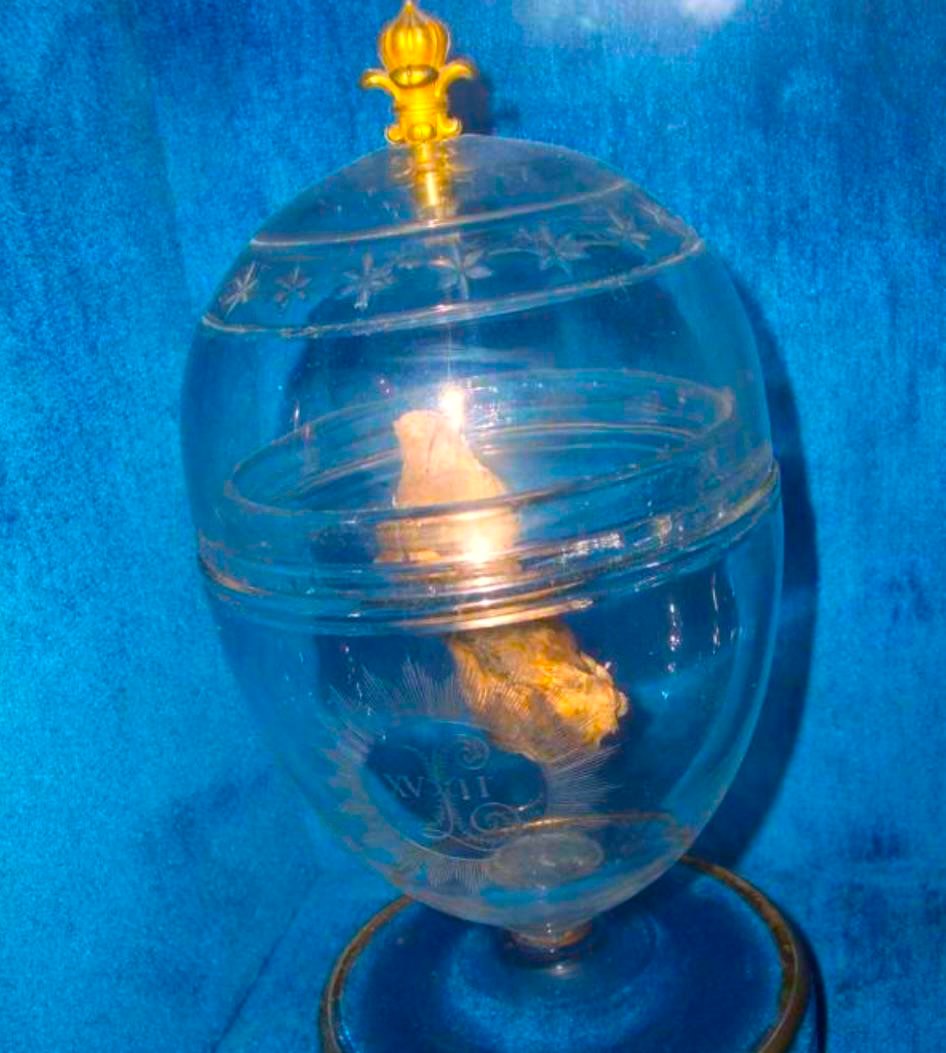
Swallowing King Louis XIV at Lord Harcourt’s Table
During an 1848 dinner hosted by Lord Harcourt, where guests included the Archbishop of York, the silver locket was passed around the table for inspection. When it reached Buckland, he remarked that while he had eaten many strange things, he had never eaten the heart of a king. He promptly put the mummified fragment into his mouth and swallowed it. Buckland died in 1856 and was buried in Westminster Abbey, while his son Frank Buckland continued studying and eating exotic animals as a scientist.