
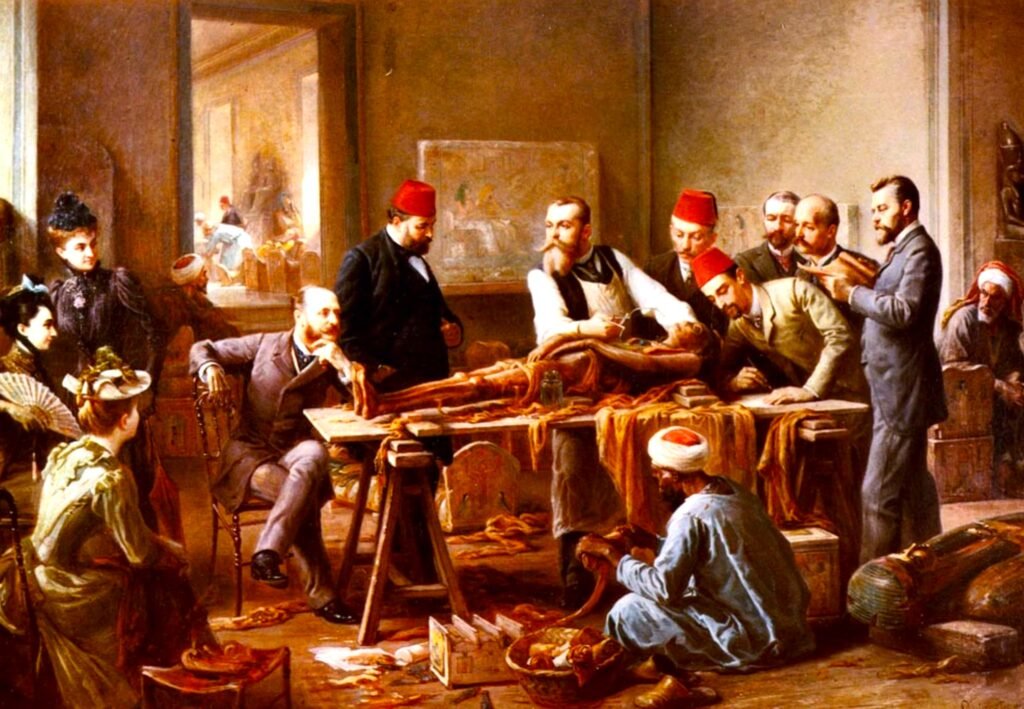
Long before modern antibiotics and pain relievers became standard treatments, patients sought cures in unconventional places. In 17th-century Europe, doctors routinely prescribed a specific ingredient to treat everyday ailments: human flesh.
From ground-up Egyptian mummies to fresh blood harvested at executions, the consumption of human remains became a widespread medical practice. Royals, priests, and commoners alike ingested these remedies, convinced that consuming another person’s body parts could cure ailments ranging from headaches to nosebleeds.
Ancient Egyptian Mummies as Medical Apothecary Treatments
The practice gained massive popularity with the importation of Egyptian mummies. European physicians pulverized the ancient mummified remains into fine powders, mixing them into tinctures designed to stop internal bleeding. Ground human skulls became a highly sought-after treatment for severe headaches.
King Charles II developed his own exclusive concoction known as “The King’s Drops,” a formula consisting of powdered human skull mixed with alcohol. Even the moss growing on buried skulls held medical value, prescribed by doctors to halt nosebleeds and treat epilepsy.
Harvesting Fresh Fat and Human Blood
Medical practitioners soon expanded their ingredients beyond ancient bones to much fresher sources. Human fat served as a standard topical treatment for external injuries. Physicians soaked cloth bandages in melted human fat and wrapped them tightly around open wounds to prevent infection, while solid chunks were rubbed directly onto the skin to treat gout. Fresh blood was considered a potent medicine, provided it still retained the warmth of life.
The prominent physician Paracelsus actively encouraged patients to consume fresh blood, driving crowds to executions where executioners sold cups of still-warm blood to attendees. Enterprising apothecaries even recorded recipes in 1679 for boiling human blood down into a digestible marmalade.
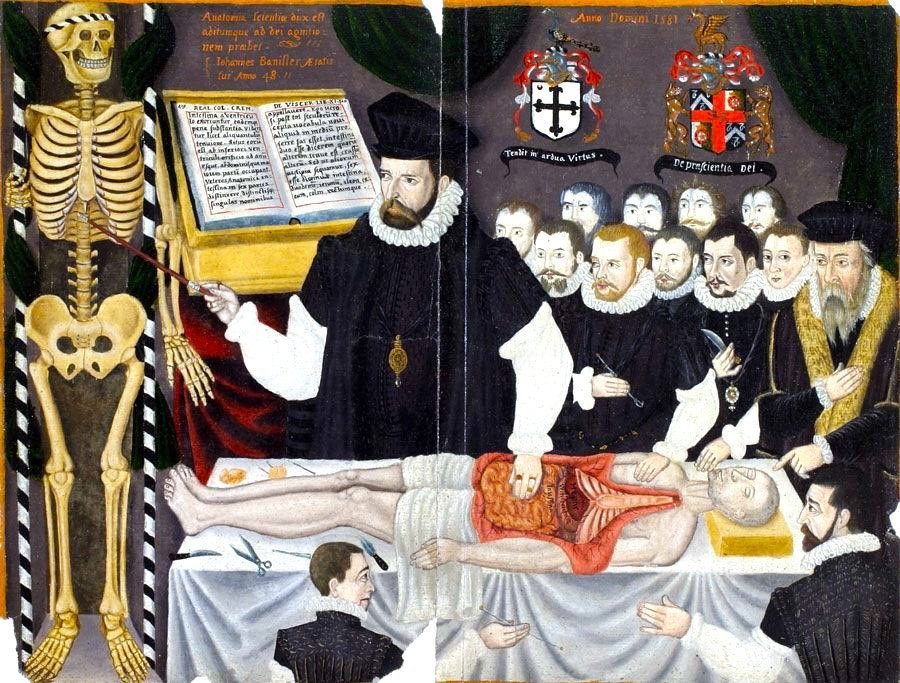
The Science of Consuming Human Vitality
The foundation of this medical practice relied on the prevailing belief that a human body contained a vital spirit that outlived death. Physicians theorized that by eating specific body parts, a sick patient could absorb the original owner’s life force. Because of this underlying philosophy, apothecaries placed the highest premium on the blood of young men and virginal women.
Prominent historical figures accepted this concept. Leonardo da Vinci documented the mechanics of this transfer, stating that dead matter regains sensitive and intellectual life when placed inside the stomachs of the living.
The Slow Decline of Flesh Ingredients
While the peak of this medical trend occurred in the 1500s and 1600s, it built upon ancient foundations. Roman gladiators previously drank the blood of defeated rivals to absorb their strength. The European appetite for human remains began to fade during the 18th century as general hygiene practices shifted.
Yet, isolated incidents persisted into the modern era. In 1847, an English doctor advised a father to treat his daughter’s epilepsy with a mixture of molasses and the ground skull of a young woman. German medical catalogs sold mummy powder into the 20th century, and the final recorded attempt to consume execution blood occurred in 1908.