
In 1519, the debate over how to teach Latin to English schoolchildren escalated into a severe public conflict known as the Grammarians’ War.
Rival headmasters published bitter printed attacks, nailed satirical verses to school doors, and openly threatened physical violence over instructional methods. This intense clash divided the educators of England into two hostile factions and triggered a fierce exchange of personal insults that dominated academic circles.
The Spark That Ignited the Grammar Conflict
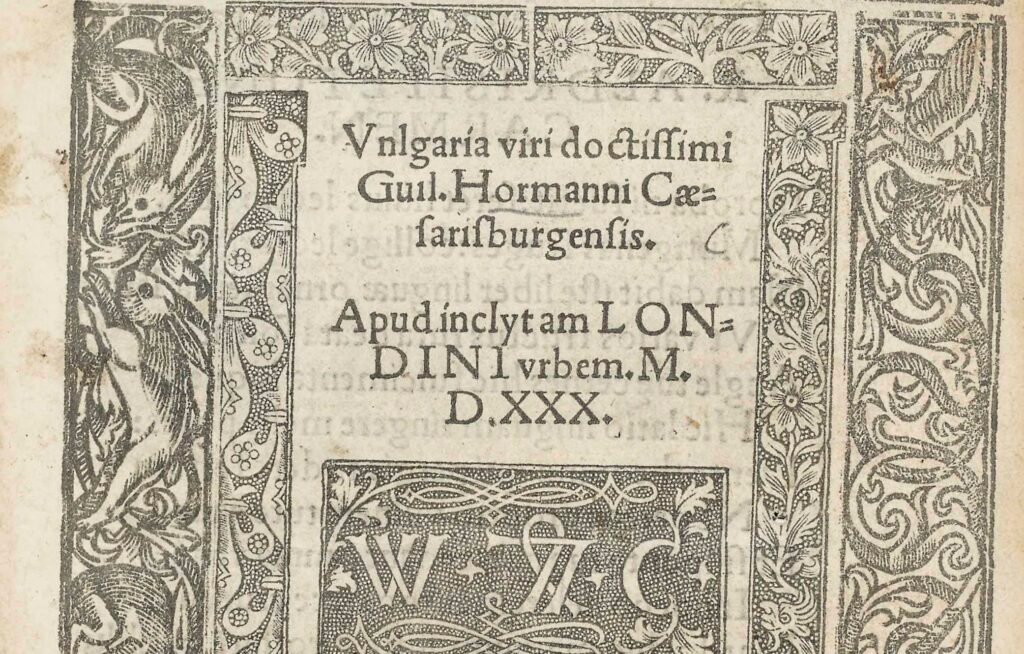
The feud began when William Horman published a new Latin primer called a Vulgaria. This textbook contained common everyday phrases for schoolchildren, including sentences like “Would God we might go play!” William Lily, the headmaster of St Paul’s School, heavily praised Horman’s book and adopted it for his students.
This decision replaced an older textbook written by John Stanbridge. Robert Whittington, a former student of Stanbridge, took deep offense at this change. To defend his former tutor’s work, Whittington wrote a satirical poem criticizing the size and price of Horman’s book, and pinned it directly to the front door of St Paul’s.
Vicious Pamphlets and Public Insults
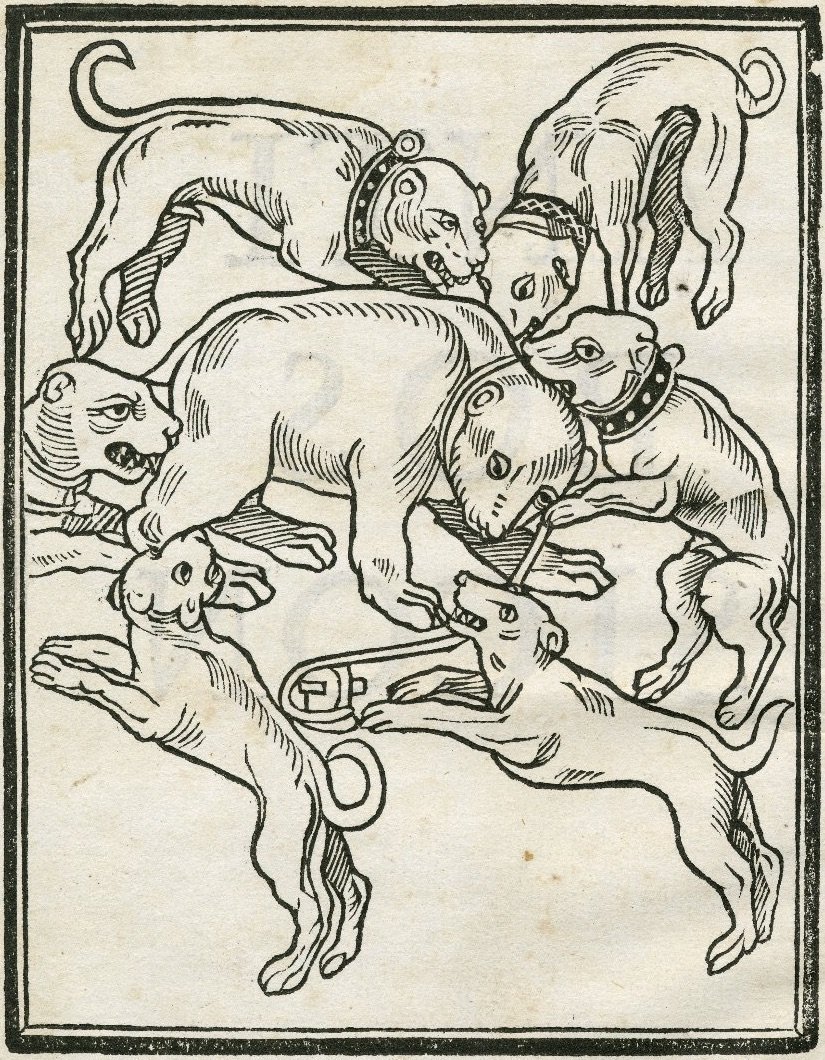
This public insult sparked a rapid escalation. In 1521, Lily and Horman retaliated by publishing a joint attack called Antibossicon. They viciously mocked Whittington, characterizing him as a bear attacked by dogs on the title page. They also ridiculed his pseudonym “Bossus,” claiming he took the name because he was enamored with a local water tap called the Bosse of Billingsgate.
Whittington fired back with a text titled Antilycon, which translates to “against the wolf.” Poet John Skelton soon joined the fight, siding with Whittington. Skelton published verses mocking Lily, writing that he was bound to knock Lily’s teeth in. Lily promptly answered with his own hostile Latin verses.
The Core Debate Over Latin Pedagogy
Beneath the personal insults, the warring factions were arguing about the proper way to teach. Whittington represented the “Trojans,” a group favoring the traditional method of making students memorize grammatical rules before reading classical texts.
Horman and Lily represented the “Greeks,” pushing an approach that taught by providing examples first. John Colet also entered the dispute, arguing that teaching composition was just as important as teaching translation. Skelton criticized the Greeks in his work Speke, Parrott, complaining that their students could not even ask an ostler for a bottle of hay in Latin.
The Final Nationwide Decree
The feud over Latin primers came to an abrupt halt late in the decade. Cardinal Wolsey intervened and mandated a strict uniform curriculum. He proclaimed that Leonard Cox’s revision of Lily’s grammar would become the single official textbook used in every school across the entire country.
Whittington’s traditionalist faction lost the battle, and his Vulgaria became the final textbook of its kind ever published.