
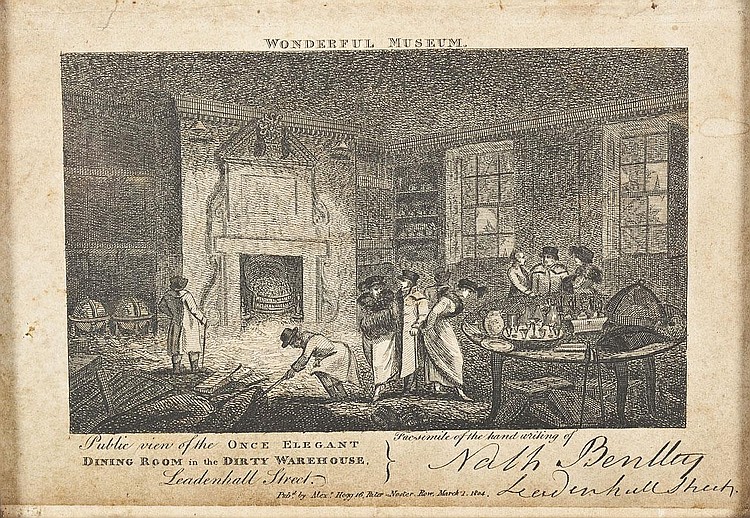
A wealthy London merchant who once attended a French royal coronation deliberately chose to spend the rest of his life refusing to wash. Nathaniel Bentley was known in his youth as the impeccably dressed “beau of Leadenhall Street,” charming high society and speaking multiple languages.
Yet, he underwent a sudden transformation in his late thirties. He completely abandoned personal hygiene and allowed his hardware shop to rot into a squalid spectacle. His shift from a wealthy dandy to a parsimonious recluse spawned wild rumors of heartbreak, locked rooms, and mummified animals that eventually caught the attention of writer Charles Dickens.
From Paris High Society to the Beau of Leadenhall Street
Born around 1735, Nathaniel Bentley inherited a considerable fortune and two shops when his father died in 1760. Utilizing his wealth, he received a thorough education, traveled across Europe, and mastered several languages. In June 1775, his travels took him to Paris, where he met King Louis XVI and attended his coronation.
Observers at the French court recognized Bentley as an exceptionally well-dressed and well-mannered English gentleman. Back in London, he frequented pleasure gardens at Ranelagh and Vauxhall, earning a reputation as a dandy with immaculate style.
The Creation of the Dirty Warehouse
In his late thirties, Bentley inexplicably abandoned his refined lifestyle. He became extremely parsimonious, restricting his living expenses to just eighteen pence a day. He stopped washing his body, though he continued to shave, and wore his clothing until it fell apart. His hardware shop at 46 Leadenhall Street suffered the same neglect.
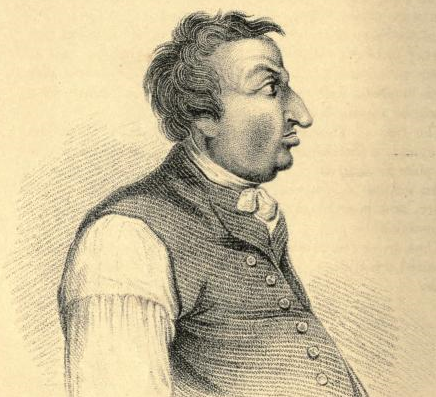
Dust and dirt coated the inventory, and the windows became completely opaque with grime. The property earned the nickname “the dirty warehouse,” and the public began calling Bentley “Dirty Dick.” Despite his squalid appearance, visitors noted that he maintained his flawless manners.
Rumors of a Doomed Wedding Feast
As the dirty warehouse became a popular attraction for sightseers, public speculation surrounding Bentley’s transformation grew. Rumors circulated that his fiancée had died on the eve of their wedding.
According to the stories, a grief-stricken Bentley locked the dining room doors, leaving the lavish wedding feast to rot on the tables, and never opened the room again. Other rumors claimed he slept in a coffin. While the press lampooned him, Bentley simply ignored the ridicule and continued his unwashed existence.
Mummified Cats and Charles Dickens
Bentley vacated his Leadenhall Street shop in February 1804. A local publican purchased the remaining contents—which included mummified rats and cats found amidst the filth—and used them to decorate his Bishopsgate pub, renaming it Dirty Dicks.
Bentley spent his final years traveling Britain as a tramp, begging for money before dying of a fever in Haddington, Scotland, in 1809. Decades later, his story reached Charles Dickens, who published a poem about Bentley in 1853. Scholars note that Bentley’s rumored locked dining room inspired the character of Miss Havisham in Dickens’s 1861 novel, Great Expectations.