
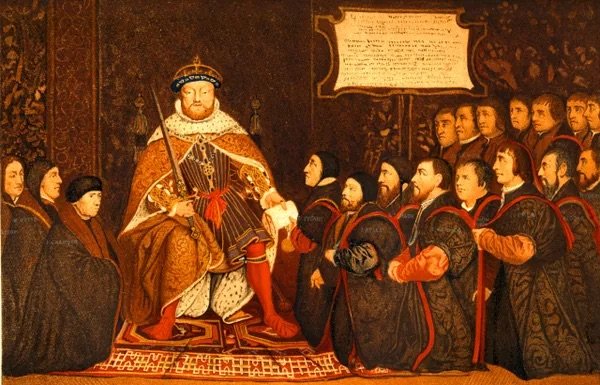
Assisting a monarch with bathroom hygiene sounds like the absolute lowest position in a household. Yet, for centuries, the man who handed the English king a towel and monitored his bowel movements held incredible political power.
This servant heard the king’s most private thoughts and secured unrestricted access to the crown. The role started as a highly intimate physical task but quickly grew into a position of high financial authority.
The Origins of the Royal Close Stool
The Groom of the Stool was a male servant assigned to help the English king with excretion. The exact duties remain a topic of debate, but historical records show the groom provided a bowl, water, and towels. He also monitored the monarch’s diet, tracked his bowel movements, and consulted with the Royal Doctor.
The title came from the specific piece of furniture used as a toilet, known as the close stool. The physical closeness required by the job meant the king naturally shared highly classified secrets with the groom. Because the servant held such sensitive information, he earned fear and respect from the royal court.
Unrestricted Access During the Tudor Era
By the time the Tudor family took power, the role belonged to prominent aristocrats. During the reign of Henry VII, a member of the Gloucestershire gentry named Hugh Denys held the position. He controlled the private finances of the king. Under the chamber system, the Groom of the Stool functioned as a minister of the treasury who helped establish national fiscal policy. When Henry VIII took the throne, he gave the title to his closest companions.
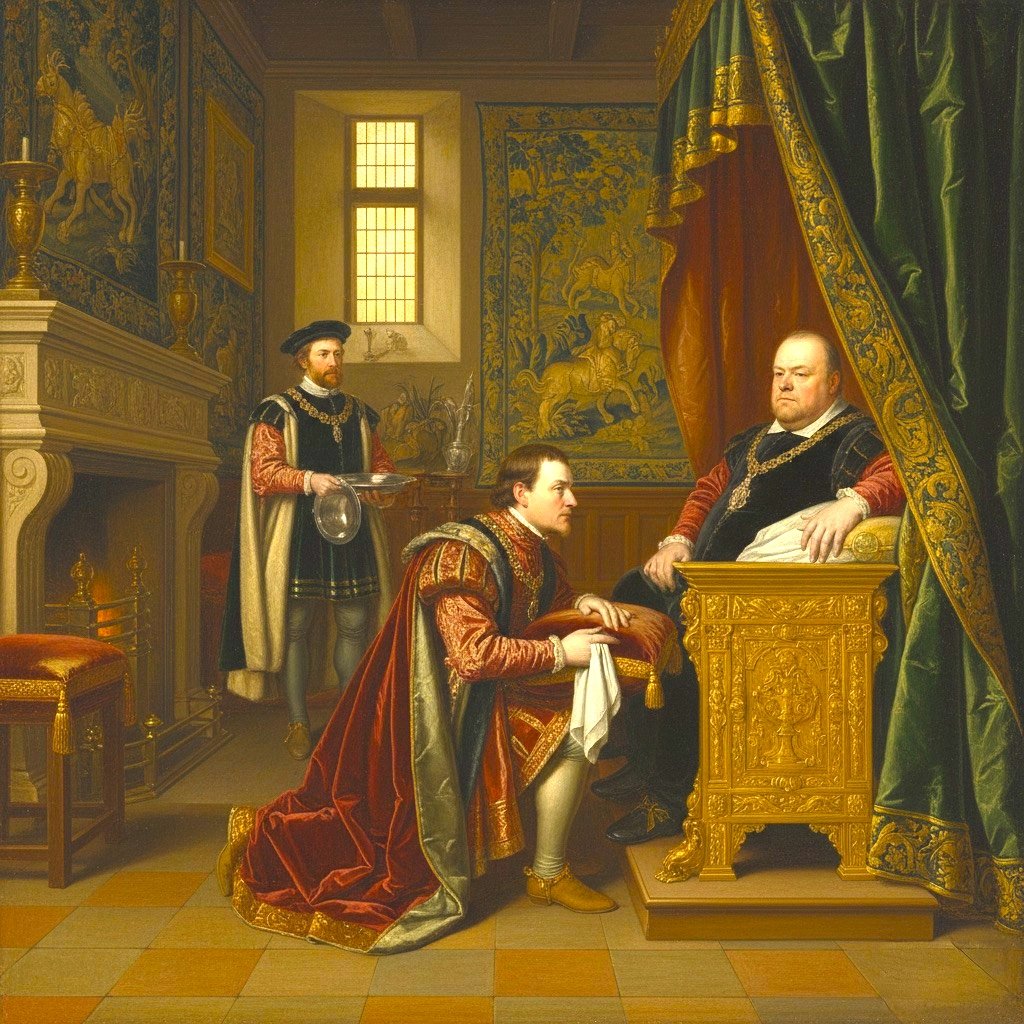
These men acted as personal secretaries and enjoyed unobstructed access to the king in his private rooms. Henry VIII even shared his most private thoughts regarding Anne of Cleves with grooms Thomas Heneage and Anthony Denny.
Evolving Duties and Wardrobe Management
Because the office exclusively served male monarchs, it experienced pauses during the reigns of female rulers like Mary I and Elizabeth I. When James I took power, the position returned as the senior Gentleman of the Bedchamber.
Over the centuries, the term “stool” lost its connection to the toilet chair. In the seventeenth century, the title shifted to Groom of the Stole. The duties moved away from bathroom hygiene and focused instead on the king’s wardrobe. The groom presented the king’s first garment of the day and managed the bedchamber.
The Discontinuation of the Office
The position continued through the Hanoverian monarchy, with the names of the grooms frequently printed in The London Gazette. The office fell out of use when Queen Victoria ascended the throne. Her husband, Prince Albert, and their son, Albert Edward, employed similar courtiers for their own households. When Albert Edward became King Edward VII in 1901, he officially discontinued the office.