
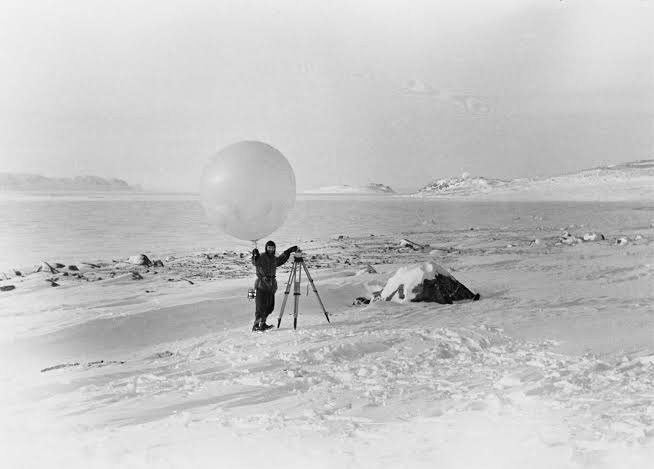
In 1943, Adolf Hitler ordered the construction of a covert meteorological base deep in the frozen expanse of the Arctic. Hidden on Alexandra Land in the remote Franz Josef Land archipelago, this clandestine German military outpost operated undetected for months.
Code-named Schatzgräber, meaning Treasure Hunter, the facility was designed to intercept vital weather patterns to give the Kriegsmarine a strategic edge during World War II. Yet, the mission did not end due to Allied discovery or harsh winter storms. Instead, the entire operation was brought to its knees by a single, bizarre culinary decision involving local wildlife.
Building The Nazi Arctic Weather Station
Early in the war, the German navy relied on refitted fishing boats to gather meteorological data. After facing severe vessel losses, director Hans-Robert Knoespel shifted the strategy to building hidden land bases. To prepare for the brutal climate, inexperienced meteorologists trained at the Goldhöhe camp in the Giant Mountains of Silesia.
The mission took its name from the training commander, H. Schatz. By September 1943, the observation boat Kehdingen departed Kiel and navigated through Narvik and Tromsø to reach the Arctic site. Escorted by the submarine U-387, the crews unloaded supplies and established the hidden complex.
Weather Balloons And U-Boats In Alexandra Land
Operations commenced in November 1943. The isolated crew began transmitting critical temperature and weather data back to German command. As the polar night receded, the men expanded their work, launching radio balloons into the sky to measure high-altitude jet stream winds. Resupply drops from Focke-Wulf Condor aircraft and visits from U-387 kept the isolated outpost functioning smoothly.
The Polar Bear Meat Trichinosis Outbreak
The turning point arrived in May 1944. Weather inspector Gerhard Wallik and cook Werner Blankenburg shot and killed a polar bear. Blankenburg prepared the raw meat as steak tartare. Everyone stationed at the outpost consumed the raw dish, except for one vegetarian paramedic named Gerhard Hoffmann.
Days later, Blankenburg developed severe leg pain and high fever. Within a month, nine other men fell critically ill. Medical officers in Germany diagnosed the crew over the radio with trichinosis, a severe parasitic infection.
The Focke-Wulf Condor Rescue Mission
German command ordered an immediate evacuation. On July 7, 1944, pilot Oberleutnant Stahnke flew a Condor aircraft toward the outpost, carrying staff surgeon Dr. Wendt. To save the doctor from parachuting, Stahnke landed directly on the rough terrain, heavily damaging the plane’s landing gear.
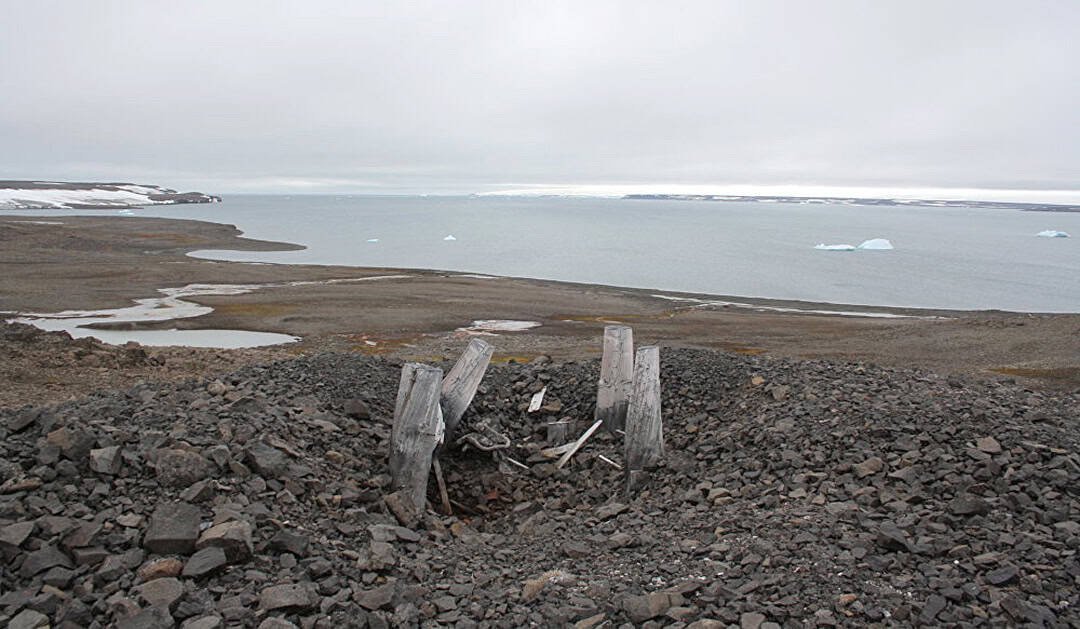
A BV 222 seaplane flew in replacement parts, and the crew hastily repaired the stranded aircraft. By July 11, the entire sick troop fled to Trondheim. The crew left their defensive minefield fully armed. Norwegian teams finally cleared the explosives in 1990, and Russian scientists uncovered some 500 abandoned artifacts at the site in 2016.