

In 218 AD, a fourteen-year-old high priest from Syria ascended to the most powerful position in the ancient world. During a brief four-year rule, this teenage Roman emperor dismantled centuries of religious tradition, married a sacred virgin, and provoked the very soldiers who placed him in power.
The reign of Elagabalus brought unprecedented changes to Rome, disrupted the established political order, and ended abruptly in a violent military mutiny.
A Syrian Priest Takes the Roman Throne
Born Varius Avitus Bassianus, he belonged to a prominent Syrian family with deep ties to the Severan dynasty. In his youth, he served as the chief priest of the sun god Elagabal in the city of Emesa. In 217 AD, the emperor Caracalla was assassinated and replaced by Macrinus.
Following a military rebellion orchestrated by his grandmother, Julia Maesa, who presented him as Caracalla’s illegitimate son, the Roman legions defeated Macrinus. They declared the fourteen-year-old the new emperor of Rome. He subsequently traveled to the capital city, bringing the sacred conical black meteorite of his deity with him.
Replacing Jupiter and Shifting Traditions
Upon arriving in the capital, Elagabalus initiated massive and immediate religious shifts. He officially elevated his Syrian sun god, Elagabal, above Jupiter, the traditional chief deity of the Roman pantheon. He constructed a massive new temple called the Elagabalium on the Palatine Hill to house the sacred stone.
To centralize his religion, he transferred various ancient holy relics from other shrines, including the eternal fire of Vesta and the Palladium, directly into his new temple. Furthermore, he mandated that leading Roman politicians and senators actively participate in these new religious ceremonies, which involved specific eastern rituals and sacrifices.
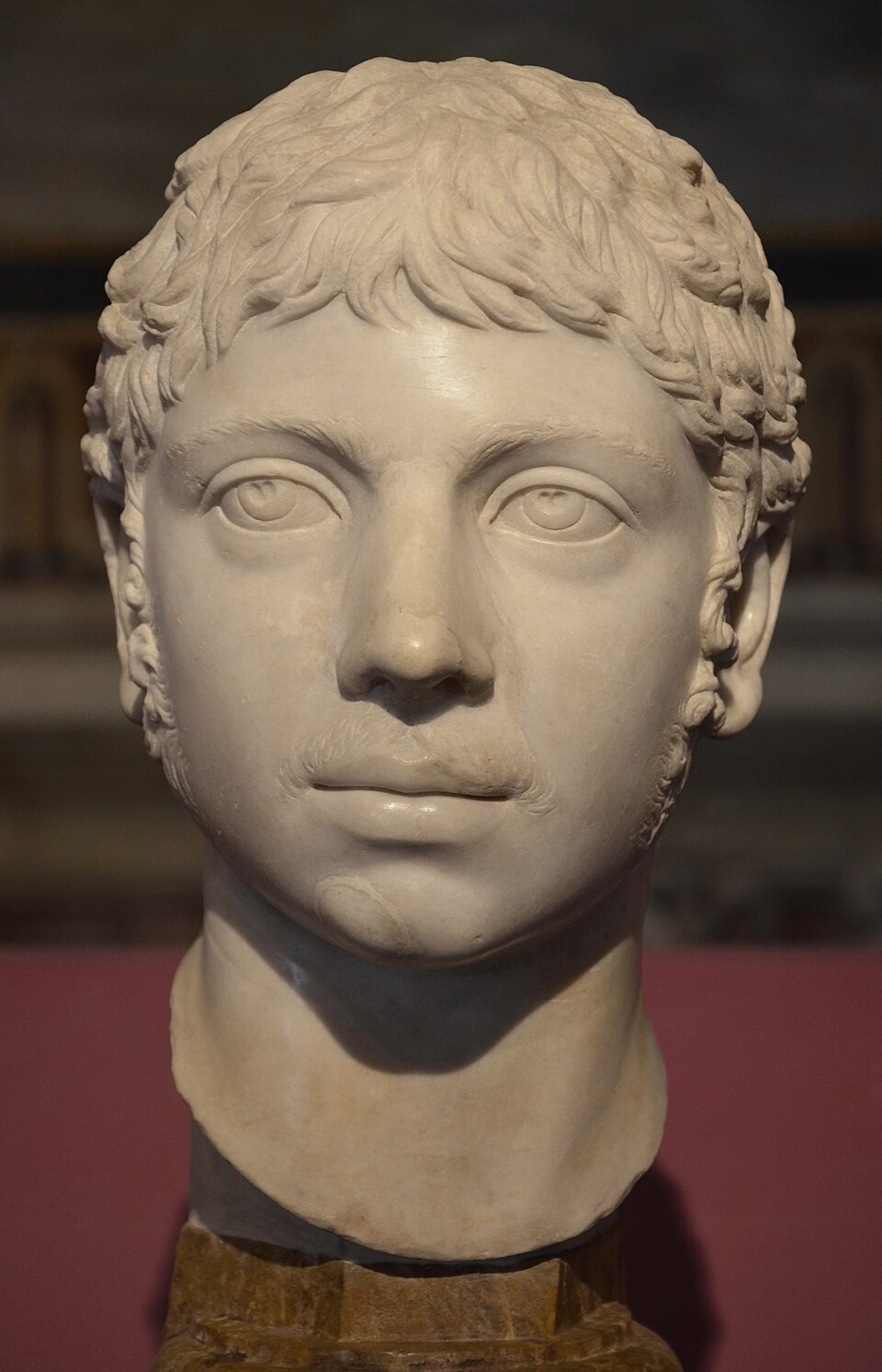
Controversial Marriages and Public Outrage
The young ruler married at least three times during his brief time in power. His most contentious union was his second marriage to Aquilia Severa, a Vestal Virgin. According to Roman law, Vestal Virgins took a strict vow of absolute chastity for thirty years, and breaking this vow carried a mandatory penalty of death by live burial.
Elagabalus married her anyway, stating the union of a priest and a priestess would produce god-like children. This direct violation of Roman sacred law deeply offended the civilian public and the political elite.
The Mutiny of the Praetorian Guard
The rapid religious mandates and social changes alienated the military and his own family. Recognizing the growing danger and instability, his grandmother convinced him to adopt his cousin, Severus Alexander, as his official heir. Elagabalus soon viewed his popular cousin as a threat, attempted to revoke this adoption, and ordered the Praetorian Guard to execute Severus Alexander.
The soldiers, favoring the traditional and mild-mannered Alexander, completely refused the order. On March 11, 222 AD, the guards mutinied. They assassinated the eighteen-year-old emperor and his mother in the praetorian camp, stripped them, and threw their bodies into the Tiber River. Following his death, the Senate immediately erased his name from all public records.