
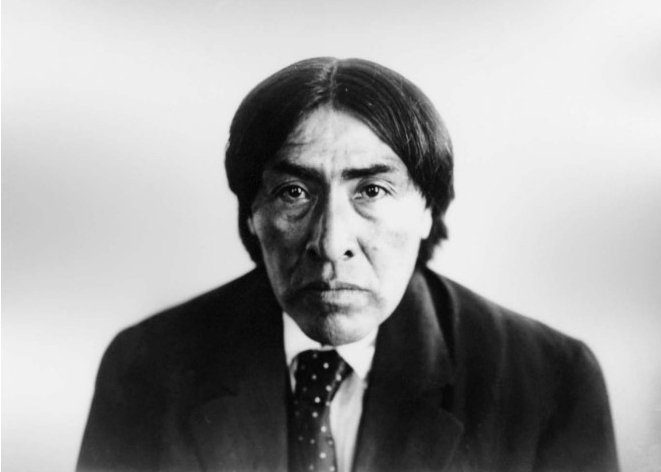
On August 29, 1911, a starving, soot-covered man walked out of the California wilderness and into the town of Oroville. Locals called him a wild man and placed him in the local jail for his own protection.
This man had lived in complete isolation for four decades. He emerged from a forest decimated by wildfires into a modern society he had spent his entire life avoiding. This is the documented history of Ishi, the final surviving member of the Yahi people.
The California Gold Rush and Yahi Decline
The mass migration sparked by the 1848 discovery of gold at Sutter’s Mill fundamentally altered the California landscape. As 300,000 miners pushed deeper into remote territories searching for ore, they disrupted native hunting grounds and polluted water supplies.
The influx of outsiders introduced deadly diseases to the indigenous population. Conflict erupted, and local towns established bounties, paying individuals 50 cents for a scalp and five dollars for a head.
Four Decades Hidden Near Deer Creek
Born between 1860 and 1862, Ishi survived a series of violent raids that decimated his people. Following attacks in 1865 led by Indian hunter Robert Anderson, Ishi and a small group of his surviving family members constructed a concealed village on a cliff overlooking Deer Creek.
While other remaining Yahi were systematically killed in ambushes and raids between 1866 and 1871, Ishi’s family remained hidden for forty years. Eventually, surveyors discovered their camp. The group scattered, and after his mother passed away, Ishi lived entirely alone.
The Man With No Name
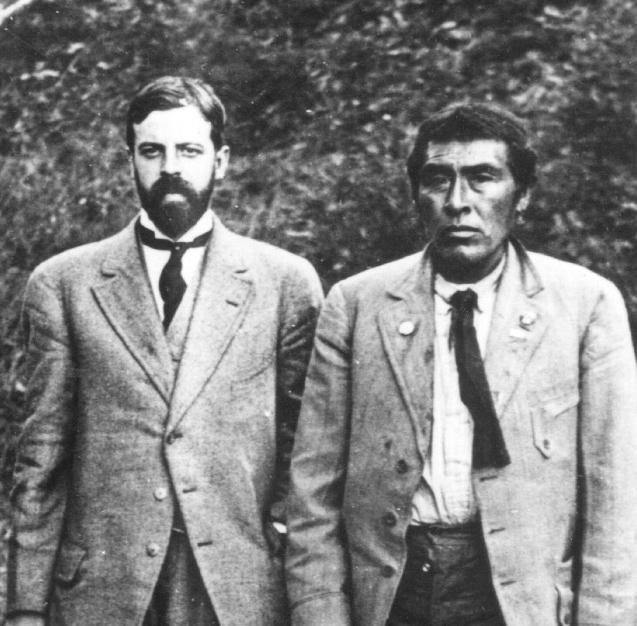
When Ishi finally entered Oroville, he could not provide his real name. According to Yahi custom, an individual cannot speak their own name until a third party introduces them. Since everyone who knew him had died, he told authorities he had no name. The public began calling him Ishi, which translates simply to man in the Yahi language.
Final Years at UC Berkeley
University of California professors Alfred L. Kroeber and T. T. Waterman located Ishi in the Oroville jail and brought him to Berkeley. For five years, Ishi worked as a research assistant, recording the Yahi language, describing family structures, and detailing traditional ceremonies.
He taught medical school professor Saxton Pope how to craft traditional bows and hunt in the surrounding areas. Ishi lacked immunity to modern diseases and passed away from tuberculosis in 1916. His body was cremated, though his brain was preserved and sent to the Smithsonian Institution. In the year 2000, his remains were repatriated to the Redding Rancheria and Pit River tribes.