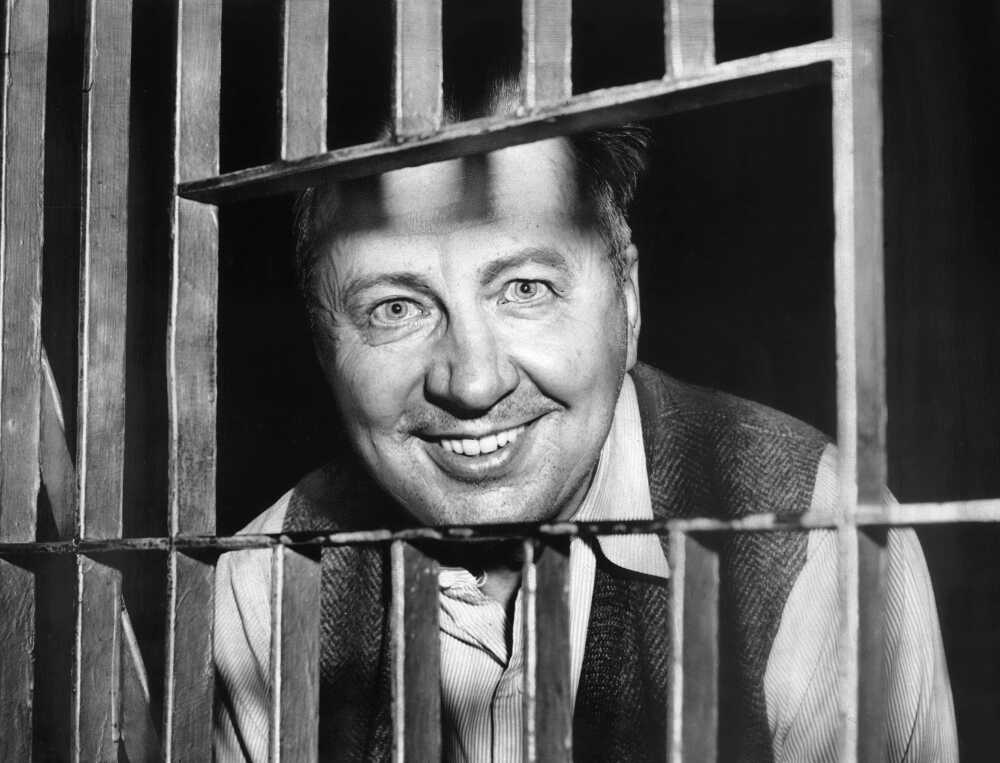
A City in Fear
For 16 years, an unknown bomber terrorized New York City, planting explosives in crowded public spaces. Known only as “F.P.,” he left letters taunting the police. His bombs, initially crude, became deadlier. By 1956, after 32 bombings and 15 injuries, authorities were desperate to catch him.
A Radical Approach
With no leads, police consulted psychiatrist James A. Brussel. He analyzed the bomber’s behavior and letters, developing a psychological profile. Brussel predicted F.P. was a neat, reclusive, middle-aged man of Eastern European descent, likely living with a female relative. He also claimed the suspect would be wearing a buttoned double-breasted suit when arrested.
The Arrest
On January 21, 1957, police arrested George Metesky in Waterbury, Connecticut. A former Con Edison worker with a grudge, he matched Brussel’s description exactly. When asked what “F.P.” stood for, Metesky calmly replied, “Fair play.” He was found legally insane and sent to a psychiatric hospital.
The Birth of Criminal Profiling
Brussel’s success in profiling Metesky became a landmark in law enforcement history. His methods paved the way for modern criminal profiling, influencing future FBI investigations and the study of criminal psychology.