
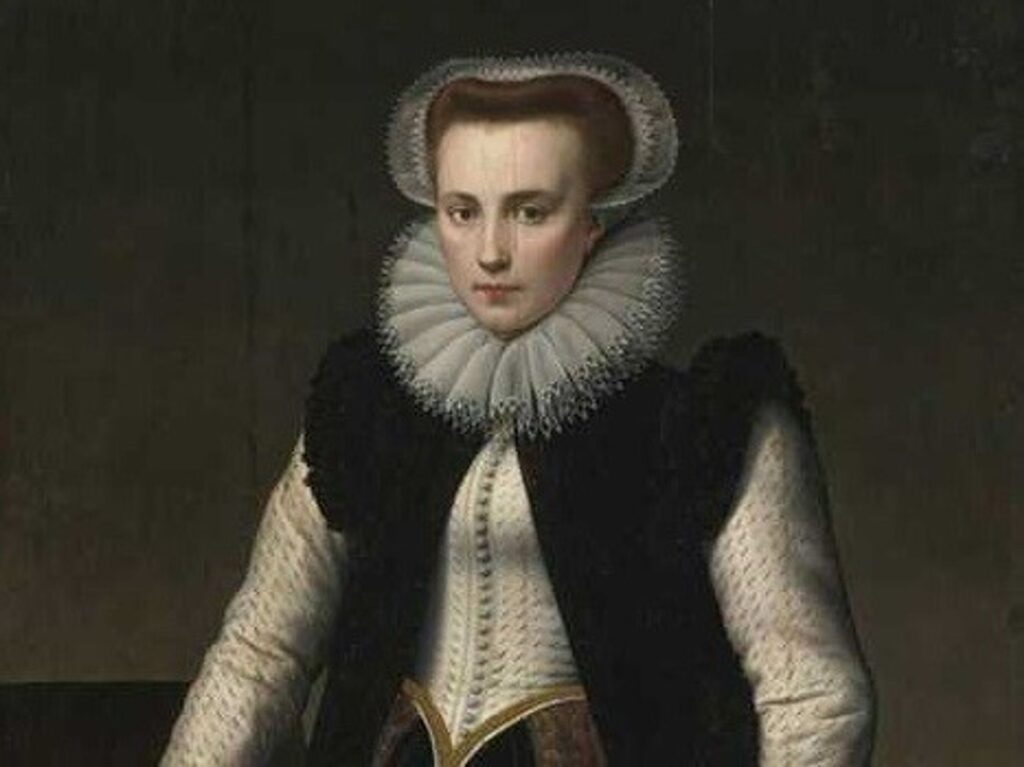
The Nobility and the Missing Girls
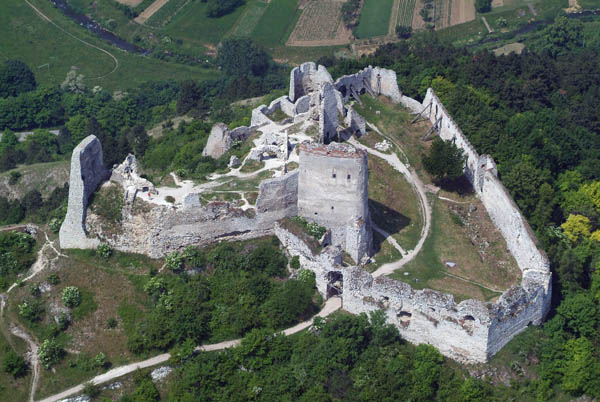
In the late 16th and early 17th centuries, young peasant girls seeking servant work began disappearing within the cold stone walls of Csejte Castle. Perched on a steep hill exactly 375 meters (1,230 feet) above sea level in present-day Slovakia, the massive estate belonged to Countess Elizabeth Bathory.
Born on August 7, 1560, into a highly powerful Hungarian noble family, she took full control of the region’s governance after her husband, military commander Ferenc Nádasdy, died in 1604. Soon after his death, intense whispers spread across the Kingdom of Hungary that the Countess was luring young women into her fortress and torturing them. The accusations quickly escalated from abusing poor local servants to kidnapping the daughters of the lesser gentry who had been sent to the castle for their formal education.
The Royal Investigation Commences
By 1610, the sheer volume of missing noblewomen forced Hungarian King Matthias II to take direct action. He dispatched his highest-ranking representative, György Thurzó, to thoroughly investigate the Csejte estate. Thurzó and his men gathered official testimonies from approximately 300 witnesses who lived in and around the nearby village of Trenčín.
The sworn accounts detailed horrifying acts of violence occurring behind closed doors. Witnesses claimed Bathory subjected her victims to freezing temperatures outside in the snow, severe beatings with clubs, and starvation. Others reported that she covered girls in honey to attract biting insects, stuck needles under their fingernails, or forced them to endure severe physical mutilations using heavy iron scissors.
The Trial and Complete Isolation
Following the extensive collection of witness testimonies, Thurzó formally charged Elizabeth Bathory with the brutal murders of 80 young women. During the legal proceedings, rumors surfaced of a personal handwritten diary containing the names of 650 victims, though this specific book was never actually presented as evidence in court.
While her alleged accomplices, including a former wet nurse, were convicted of witchcraft and burned at the stake, Bathory’s high noble status protected her from public execution. Instead, authorities sentenced her to strict, permanent confinement. She was bricked inside a small set of rooms within her own castle, receiving food through a tiny slit, where she remained completely isolated for four years until her death in 1614.
The Financial Motives Behind the Arrest
Modern historical analysis of the original court records reveals significant political and financial factors surrounding her sudden arrest. King Matthias II owed a massive financial debt to Bathory’s late husband, which legally passed to her upon his death.
The King lacked the royal funds to repay the powerful widow. Furthermore, the Hungarian crown stood to seize her vast landholdings and profitable estates in the event of her criminal conviction. The court gathered the testimonies rapidly under questionable circumstances, and the King pushed for an immediate sentence before the influential Bathory family could intervene to secure her absolute freedom.