
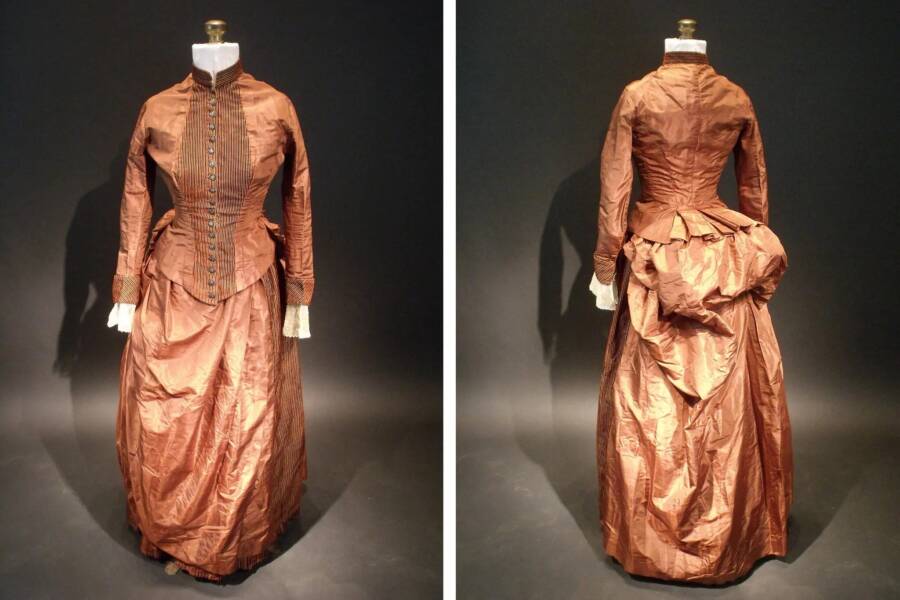
A Baffling Antique Mall Discovery
In 2013, an ordinary shopping trip in Maine resulted in a historical discovery that baffled professional codebreakers for nearly a decade. Sara Rivers-Cofield, an archaeological curator, purchased a bronze 1880s silk dress at a local shop. When she turned the skirt inside out, she discovered a concealed, barely accessible pocket containing a scrunched-up ball of papers.
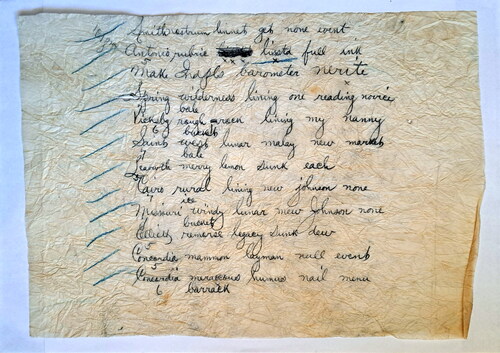
The papers featured two dozen lines of apparent gibberish, such as “Calgarry Cuba Unguard confute duck fagan egypt”. Rivers-Cofield posted the text on her blog, launching a massive internet hunt to crack the mysterious cipher. The enigma quickly earned a spot among the top 50 unsolved encrypted texts globally.
The Global Hunt to Break the Cipher
Amateur sleuths and professional cryptologists tried to decipher the text for ten years. Many theorized the notes contained illegal gambling rings, spy communications, or simple dress measurements. Wayne Chan, a computer research analyst at the University of Manitoba, eventually cracked the code.
He discovered the text was a highly specialized United States Army and Weather Bureau meteorological code. Chan pinpointed the exact date of the recorded observations to May 27, 1888. The telegraphic code allowed government officials to share city forecasts across North America as cheaply as possible, at a time when each word on a telegram could cost several dollars.
Decoding the 1888 Telegraphic System
The code operated by compressing multiple data points into single words. Thanks to a saved United States Army codebook from 1877, Chan deduced how words represented numerical values. Words beginning with consonants represented increasing pressures or temperatures based on their placement in the alphabet.
For instance, the word “Target” indicated a temperature of 44 degrees Fahrenheit (6.7 degrees Celsius) and a barometric reading of 0.92 inches (23.37 millimeters) of mercury. Another example word, “Unfold”, indicated a barometric reading of 0.00 inches (0.00 millimeters) and a temperature of 38 degrees Fahrenheit (3.3 degrees Celsius). Canadian stations used a slightly different formatting sequence than the United States locations, transmitting weather data from as far west as Calgary and as far south as San Antonio.
The Unidentified Clerk Named Bennett
The final piece of the mystery involves the identity of the dress owner. A small name tag bearing the word “Bennett” was sewn into the silk garment.
During the late nineteenth century, women worked as clerical staff, copyists, typists, or book stitchers at the War Department telegraph rooms in Washington, D.C. Researchers suspect the owner of the bronze dress handled these daily weather reports, which were rarely archived because they became worthless after translation. The exact owner who tucked these historical papers into the pocket remains completely unidentified today.