
In 1924, a highly anticipated film about Mount Everest premiered in London. The theatrical release featured a unique live performance meant to thrill the audience, but the spectacle quickly turned into an international diplomatic crisis.
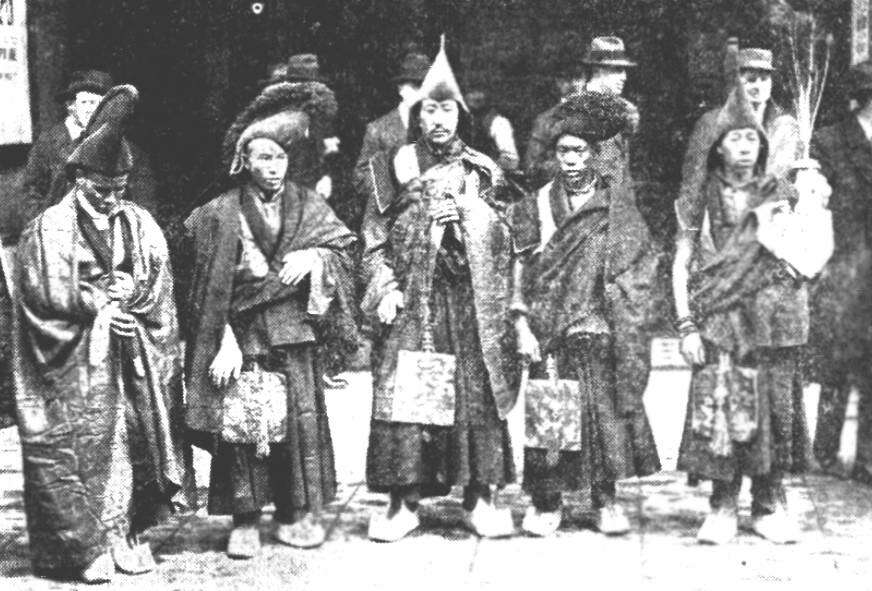
A group of Tibetan monks, secretly brought to Britain as a promotional stunt, sparked outrage in the Himalayas. The resulting scandal not only halted mountaineering in the region for years but also led to a massive cover-up that remained a secret for over half a century.
The Everest Epic and the Movie Stunt
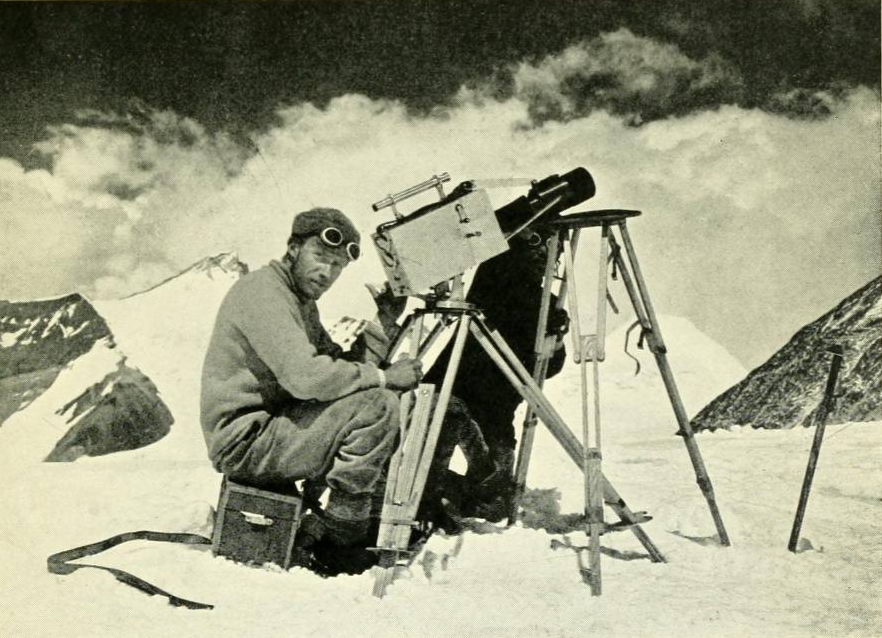
John Noel, the official photographer for the 1924 British Mount Everest Expedition, financed much of the climb to secure exclusive film rights. After climbers George Mallory and Andrew Irvine disappeared on the mountain, Noel rushed back to London to produce The Epic of Everest.
To enhance the theatrical experience, he arranged for a stage setting resembling a Tibetan courtyard. He also smuggled a group of performers out of Tibet without official permission to provide live chanting and dancing before the film screening. Despite the promotional claim of seven lamas, only one of the performers actually held that title.
A Diplomatic Crisis Unfolds
The stage show was initially a massive success in Britain, Germany, and North America. However, when news reached Tibet, the government lodged an official diplomatic protest. The 13th Dalai Lama viewed the film and the accompanying carnival as a direct insult to his religion and culture.
The Tibetan authorities were particularly offended by a specific scene in the movie and the unauthorized removal of the monks. In response, Tibet demanded the immediate return of the performers and instituted a strict ban on all future British Everest expeditions.
The Fifty-Year Scapegoat Cover-Up
The Mount Everest Committee, which had supported the film production and profited from it, found itself in a humiliating position. To deflect blame from the disastrous movie stunt, the mountaineering establishment shifted the responsibility onto John de Vars Hazard, a surveyor from the expedition.
Hazard had previously taken an unauthorized detour off the agreed route, making him a convenient target. For over fifty years, the public was led to believe that Hazard and his minor detour was the sole reason Tibet closed its borders to climbers.
The Truth Finally Comes Out
The real reason for the diplomatic fallout was kept completely hidden from the public record. It was not until 1981, when author Walt Unsworth published his research, that the Affair of the Dancing Lamas was finally exposed as the true cause of the climbing ban.
The performers themselves faced severe consequences upon their return to Tibet, and the political fallout contributed to shifts within the Tibetan government. Expeditions to Mount Everest from the Tibetan side remained blocked entirely until 1933.