
When a vehicle vanishes into the night, investigators typically scour the recovered scene for fingerprints, discarded items, or stray hairs. During a 2008 auto theft investigation in Finland, authorities found none of these standard clues. Instead, they secured a criminal conviction by analyzing the stomach contents of a single flying insect.
This microscopic investigation transformed a common pest into the ultimate forensic witness, solving a crime that would have otherwise gone completely cold.
The Disappearing Vehicle in Lapua
In June 2008, a resident of Lapua, a town in western Finland, reported their car stolen. Local police launched a standard search for the missing vehicle, expecting it to be abandoned somewhere in the region. Shortly after the theft, officers located the automobile parked near a railway station in the neighboring municipality of Seinäjoki, approximately fifteen miles (twenty-four kilometers) away.
The suspect was long gone, and the interior of the car appeared completely clean. The thief had wiped down the steering wheel and the door handles, leaving absolutely no usable fingerprints for the crime scene unit to lift.
A Microscopic Forensic Discovery
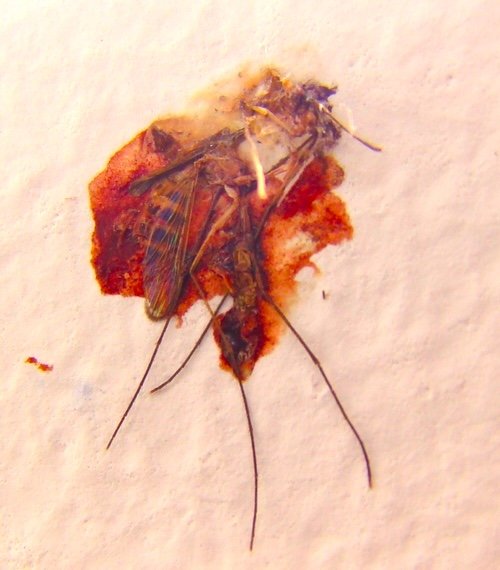
While conducting a meticulous visual sweep of the car’s interior cabin, one police inspector noticed a very small detail. A single mosquito was resting quietly inside the vehicle. The insect was noticeably engorged, indicating it had recently consumed a massive blood meal.
Recognizing a highly unconventional opportunity, the inspector carefully captured the live insect without crushing it. The police secured the mosquito in a sterile vial and transported it directly to the Finnish police laboratory in Helsinki to see if scientists could extract any human genetic material from its digestive tract.
The Laboratory DNA Match
Extracting human DNA from a mosquito presents a massive scientific challenge because the insect’s digestive enzymes rapidly break down blood. However, because the inspector caught the insect so soon after it fed, the blood inside its stomach remained intact.
Forensic technicians successfully isolated the human DNA from the blood meal and ran the genetic profile through the national police database. The computers returned a direct match. The blood belonged to a man who already had a criminal record and was actively listed in the Finnish police registry.
The Interrogation and Alibi
Armed with the laboratory results, authorities arrested the suspect and brought him in for questioning. During the interrogation, the man adamantly denied stealing the automobile. He presented an alibi, claiming he was simply hitchhiking through the area and accepted a ride from an unidentified driver who was operating the stolen car.
Despite his explanation, the prosecutor used the mosquito’s blood meal to place the suspect squarely inside the stolen vehicle during the exact timeframe of the crime. The microscopic genetic profile provided investigators with the exact physical link they needed to close the investigation.