
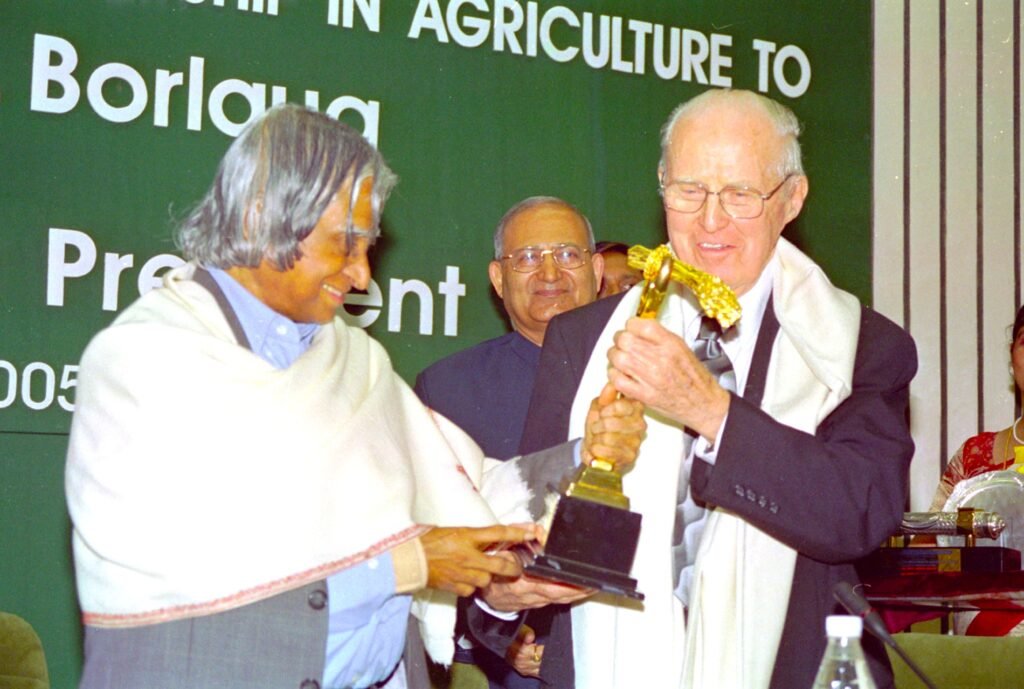
An American agronomist credited with saving over a billion people from starvation almost missed college. Born in 1914, Norman Borlaug failed his initial university entrance exam.
Decades later, his agricultural innovations doubled wheat yields in developing nations and averted massive global famines. This is the factual account of how one student shifted his focus to plant pathology and triggered the Green Revolution.
From a Small Farm to a Global Mission
Borlaug spent his youth raising crops on an Iowa farm before attending a one-room schoolhouse. His grandfather urged him to pursue education. Borlaug eventually entered the University of Minnesota. To fund his degree, he worked for the Civilian Conservation Corps, witnessing starving workers.
After a budget cut eliminated his forestry job, a professor advised him to study plant pathology. He earned his Ph.D. in 1942. During World War II, Borlaug developed saltwater-resistant glue for the military, allowing U.S. forces to float supplies to troops. Afterward, he moved to Mexico to lead a wheat research program.
Breaking Plant Breeding Rules
In Mexico, Borlaug developed disease-resistant, high-yield wheat. He introduced “shuttle breeding,” moving seeds between the central highlands and the northern Valle del Yaqui to utilize two growing seasons.
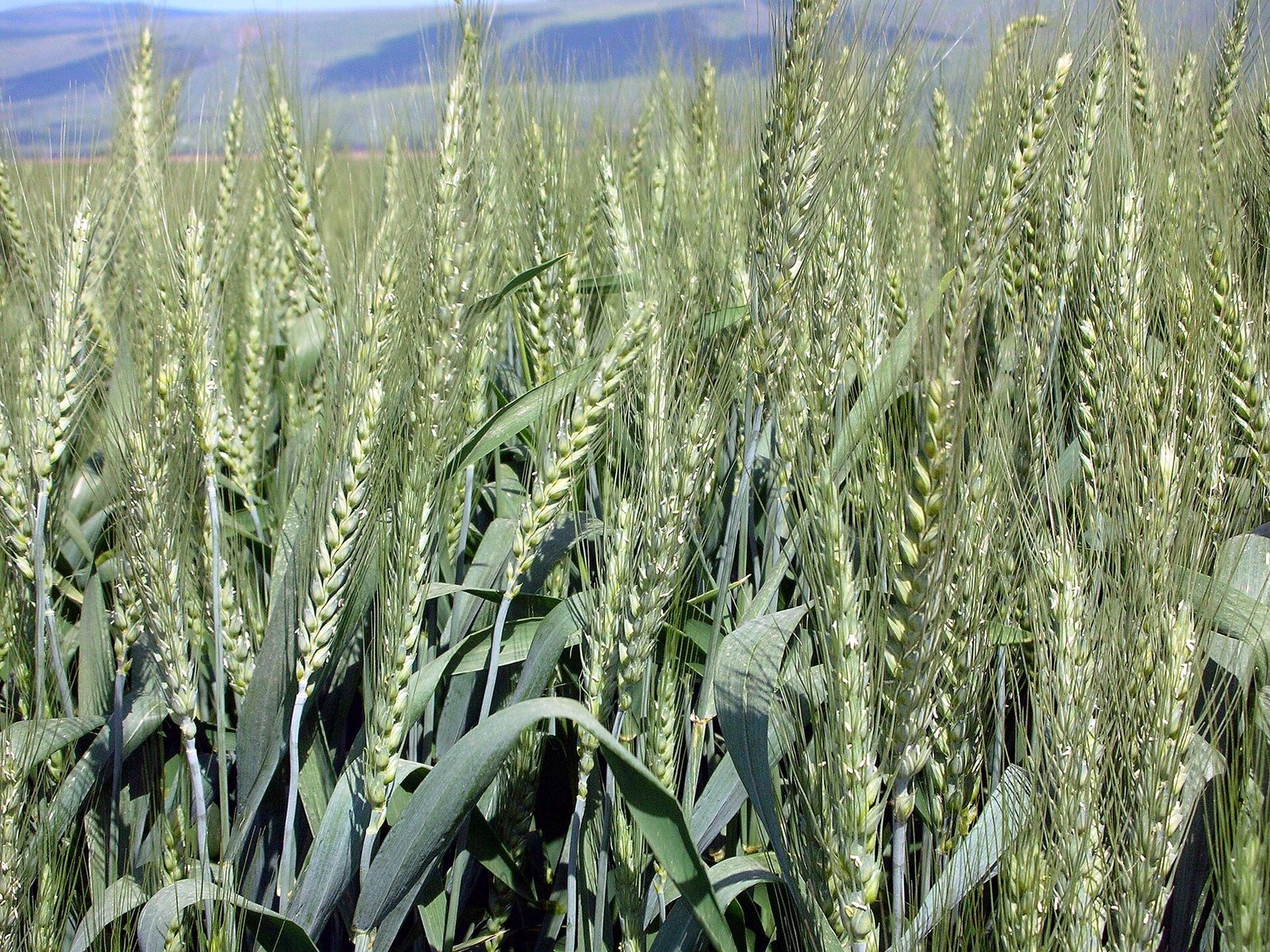
Supervisors initially opposed this method. The technique unexpectedly produced wheat varieties unaffected by variable sunlight. To prevent wheat stalks from collapsing under heavier grain heads, Borlaug crossbred his plants with a Japanese dwarf variety called Norin 10. By 1963, 95% of Mexico’s wheat consisted of Borlaug’s semi-dwarf varieties, making the nation a net wheat exporter.
Shipping Seeds Through War Zones
In the mid-1960s, the Indian subcontinent faced severe food shortages. Borlaug imported 450 tons of semi-dwarf seed varieties to India and Pakistan. The shipment encountered massive logistical hurdles. Mexican customs delayed the export. A truck convoy then had to bypass a closed Los Angeles freeway during the Watts riots.
When seeds reached the docks, a bank refused payment over three misspelled words on a check. The freighter departed, but war broke out between India and Pakistan. Borlaug’s team planted seeds in sight of artillery flashes.
A Nobel Prize Mistaken for a Hoax
Despite chaotic planting conditions, the crops yielded unprecedented harvests. By 1968, Pakistan achieved self-sufficiency in wheat production, and India followed suit.
The rapid increase in food supply became known as the Green Revolution. In 1970, the Norwegian Nobel Committee awarded Borlaug the Nobel Peace Prize. When his wife drove to the test fields at 4:00 a.m. to deliver the news, Borlaug refused to believe her. He assumed the announcement was a hoax before accepting the award that December.