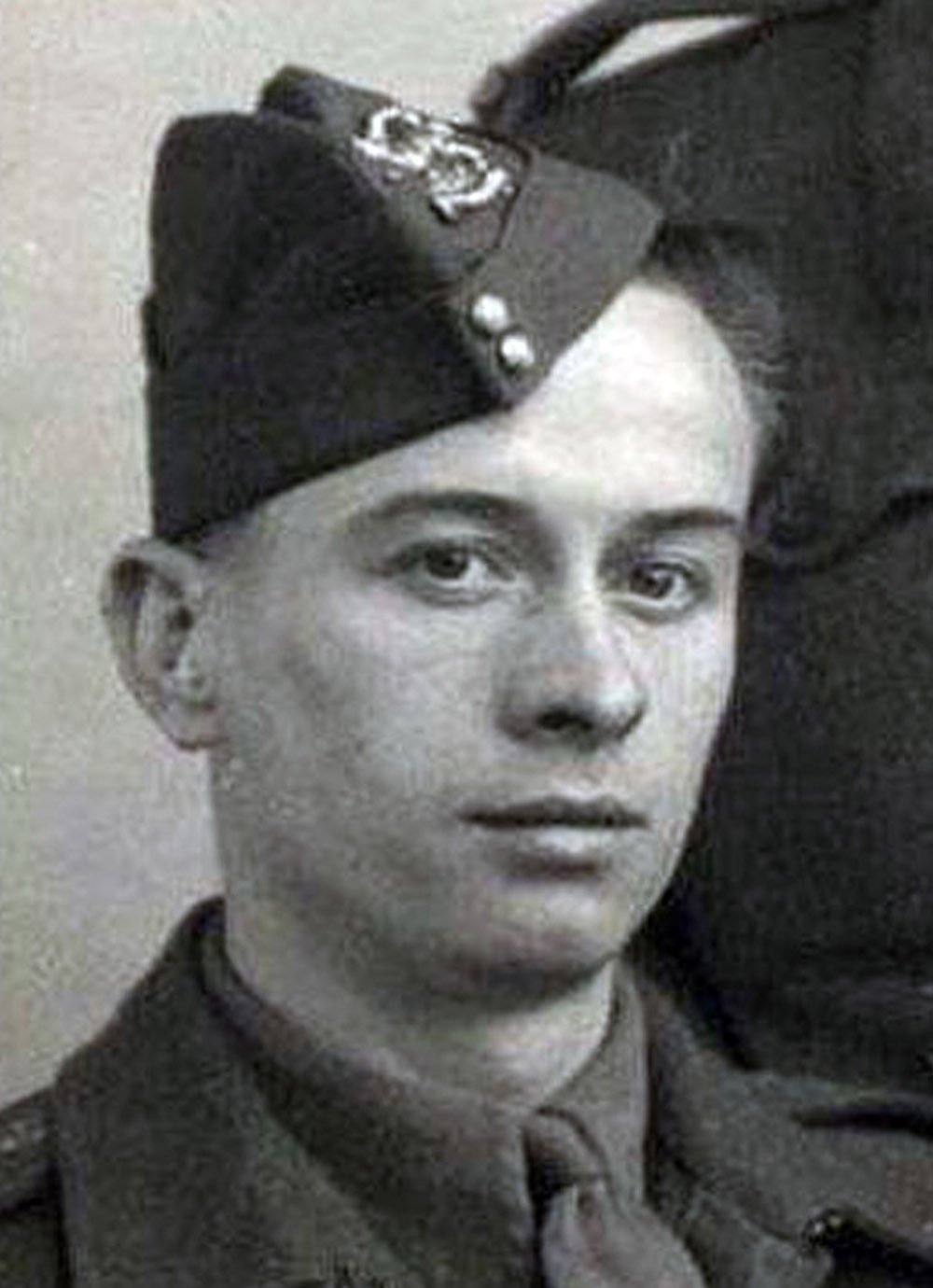
A British soldier captured during World War II accomplished something highly unusual. He broke out of German prisoner-of-war camps more than 200 times, only to repeatedly break back in. Horace “Jim” Greasley risked immediate execution under the German Bullet Decree, navigating barbed wire and armed patrols in a hostile country. He did not execute these breaches to reach allied territory or secure his freedom. He executed every single escape to meet secretly with a local translator he met in a marble quarry.
Captured and Sent to Poland
Greasley joined the British army in 1939. When his regiment landed in Normandy, they were ordered to stay behind and fight advancing German troops while the main army retreated to Dunkirk. Exhausted, the men sought rest in a barn south of Lille, France, where they were cornered and forced to surrender. The captured soldiers endured a ten-week march to Holland. Greasley survived by eating roadside insects, foraging plants, and hiding food slipped to him by villagers. Following a three-day train transit without food or water, he arrived at Stalag VIIIB 344, a camp near Lamsdorf, Poland.
A Quarry Romance
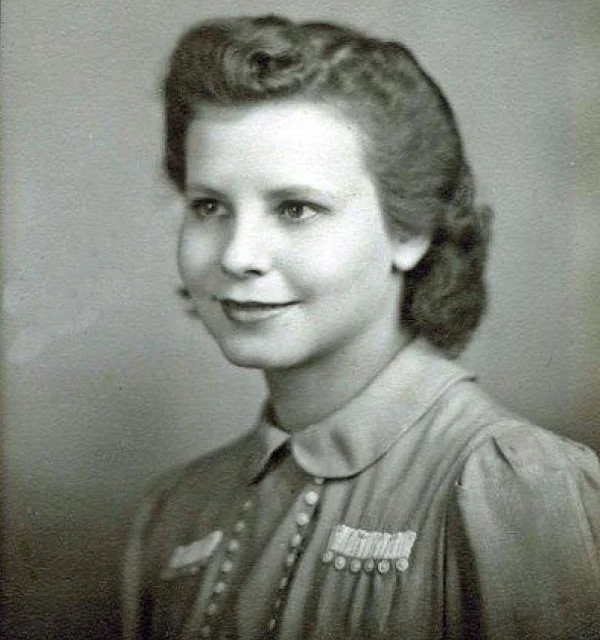
At Stalag VIIIB 344, prisoners broke marble for German headstones. There, Greasley met Rosa Rauchbach, the quarry owner’s daughter who worked as a translator. Following a kiss in an empty workroom, the two began an affair. Greasley started sneaking out of the camp two to three times a week to meet her. Rauchbach aided the prisoners by smuggling in food and radio components, which the men used to construct a receiver for BBC broadcasts.
Breaking Out of Freiwaldau
Months later, Greasley was transferred to Freiwaldau, an annex of Auschwitz located 40 miles away. Guards there maintained lax patrols, assuming the 420-mile distance to neutral Sweden made escape impossible. After studying the guards’ movements for two weeks, Greasley had comrades push him through a window, allowing him to sprint through the fence into the surrounding woods. Rauchbach managed to track his location. They resumed their affair, meeting secretly in a local chapel two to three times a week until the early morning hours.
The Himmler Photograph Controversy
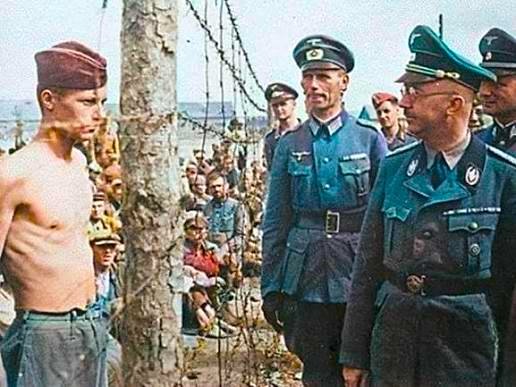
Beyond his escapes, Greasley claimed he was the shirtless prisoner pictured confronting Heinrich Himmler in a famous photograph. He stated he removed his shirt to expose his ribs, proving the prisoners were starving. Historian Guy Walters disputed this claim, citing National Archives records showing the photograph was taken in Minsk and featured a Russian soldier. Greasley’s wife Brenda fiercely defended his account, publicly challenging Walters’s assessment of his memory.
Following the camp’s liberation, Greasley returned to England. He and Rauchbach exchanged letters until the correspondence suddenly stopped. A friend of Rauchbach eventually wrote to Greasley, informing him that Rosa had died during childbirth, along with the baby. He never found out if the child was his.