
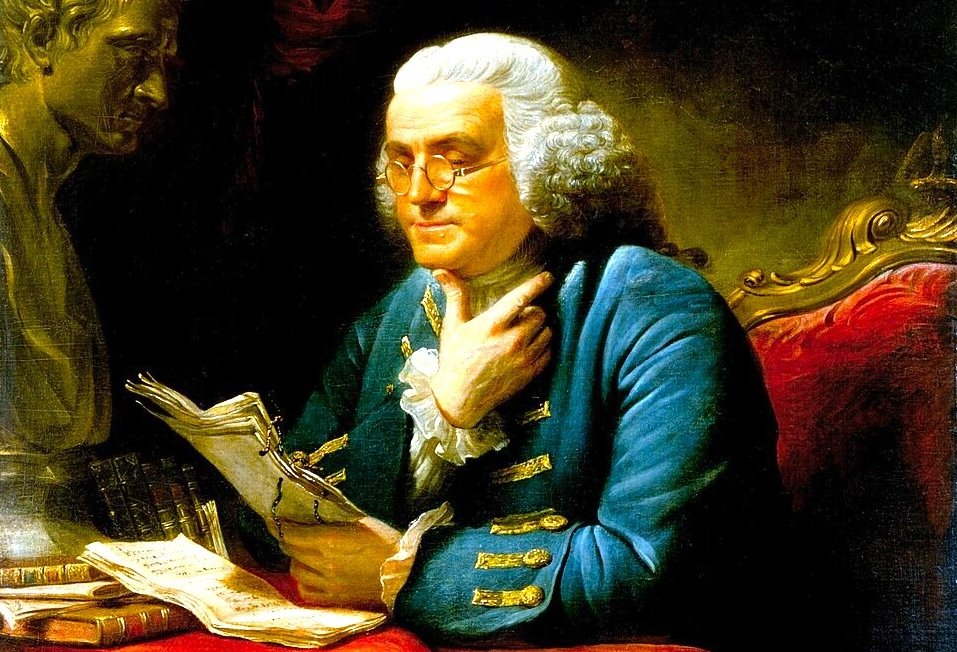
In 1781, one of the founding fathers of the United States drafted a formal scientific proposal to completely change the odor of human flatulence. Benjamin Franklin, while living abroad as the United States Ambassador to France, wrote a highly unusual document titled “A Letter to a Royal Academy.”
He wrote the essay to mock what he viewed as the increasingly pretentious and impractical academic societies of Europe. The document detailed how to make passed gas smell like agreeable perfumes and culminated in a pun declaring other scientific pursuits barely worth a “fart-hing.”
Mocking the Royal Academy of Brussels
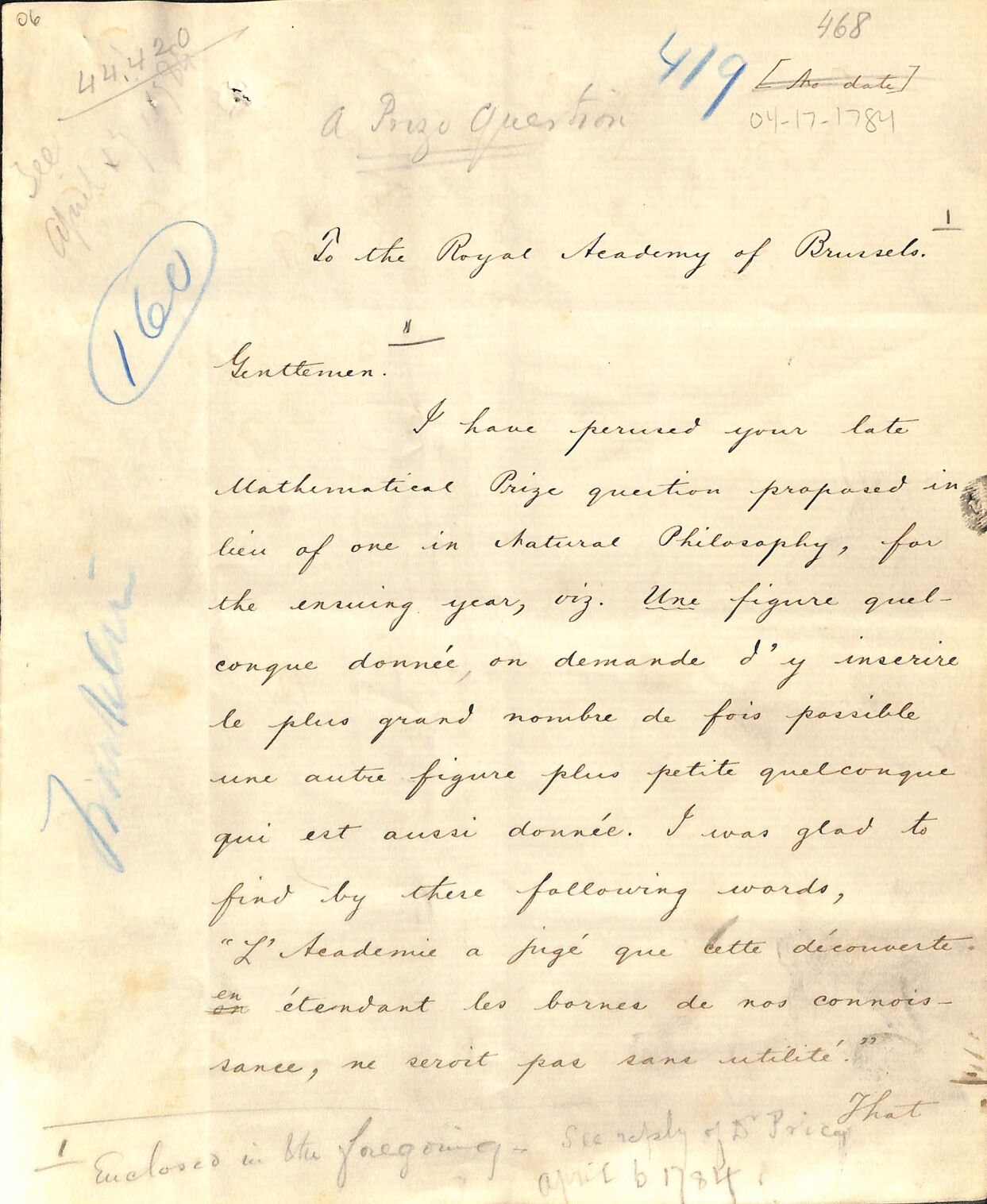
Franklin composed the essay in direct response to a call for scientific papers from the Royal Academy of Brussels. Instead of submitting a traditional entry regarding natural philosophy or mathematics, he chose to utilize flatulence humor. He stated that well-bred people forcibly restrain the efforts of nature to discharge wind to avoid offending company.
He then proposed that learned physicians and chemists develop a wholesome, agreeable drug that could be mixed into common food and sauces. This additive would theoretically transform the fetid smell of escaping air into a pleasant scent.
Sharing the Joke with British Chemists
Franklin never actually submitted the essay to the Brussels institution. Instead, he privately printed copies at his own printing press in Passy, France. On September 16, 1783, he enclosed a copy in a letter to Richard Price, a British clergyman and philosopher.
Franklin jocularly suggested that Price forward the essay to Joseph Priestley, an English chemist famous for his scientific work on gases, noting that Priestley “is apt to give himself Airs.” Price followed through on the request and later reported back to Franklin that he and Priestley were highly entertained by the ridicule contained within the piece.
Modern Publication and Scientific Responses
The essay remained a relatively obscure piece of Franklin’s writing for many years. In the 1960s, the American Philosophical Society officially included the document in volume 32 of the Papers of Benjamin Franklin. Since 1929, some independent printings of the text have featured an ironic foreword from a publisher claiming the letter had been owned by the US nation since 1881.
This foreword includes additional flatulence puns and jokingly thanks a deceased engraver, Thomas Bewick, for not objecting to the use of his illustrations. Exactly 240 years after Franklin drafted the letter, MEL Magazine commissioned a formal response in 2021. Scientists at the Young Academy of Belgium, a direct successor to the original Royal Academy of Brussels, finally provided an answer to his 1781 proposal.