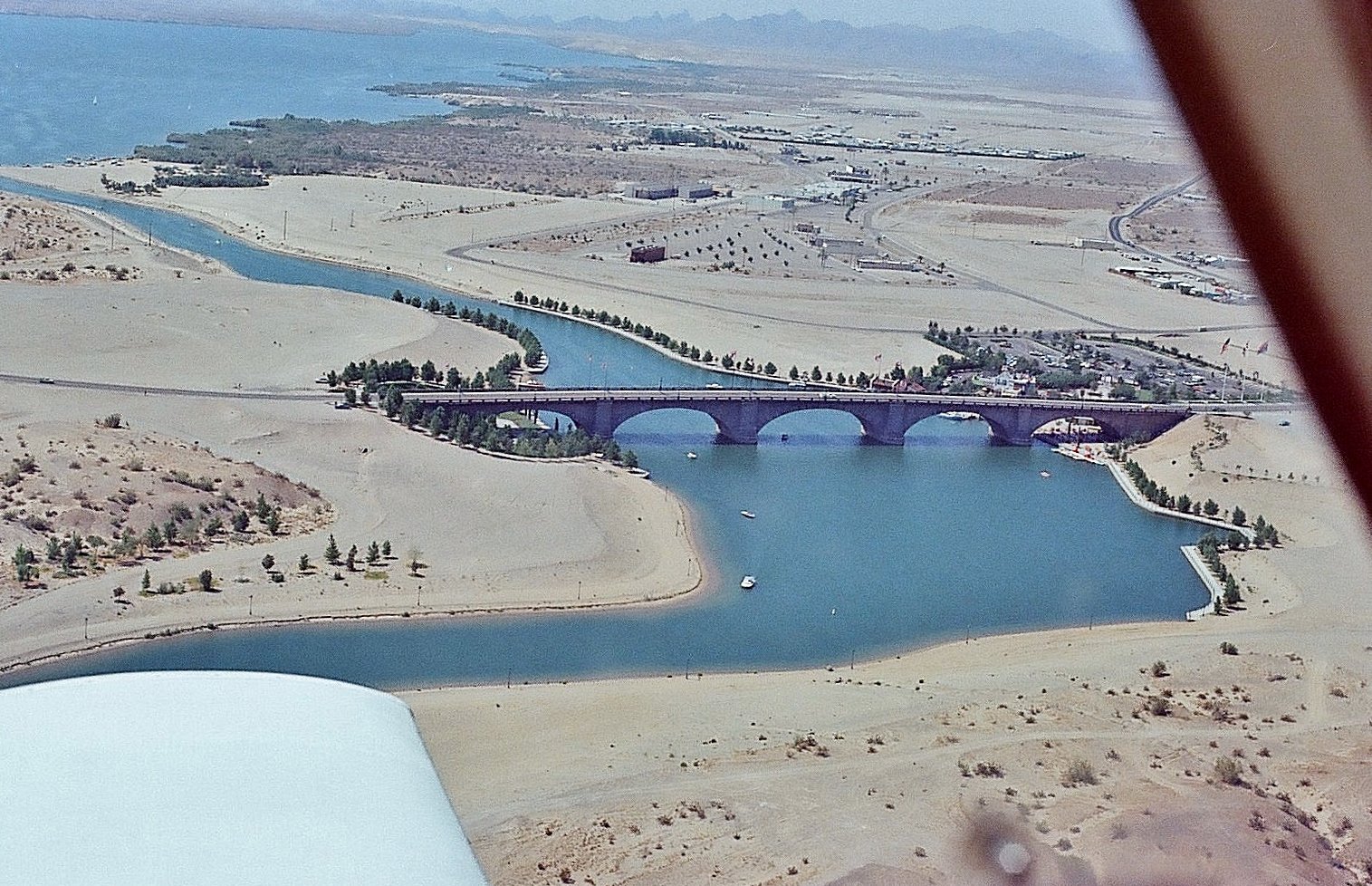
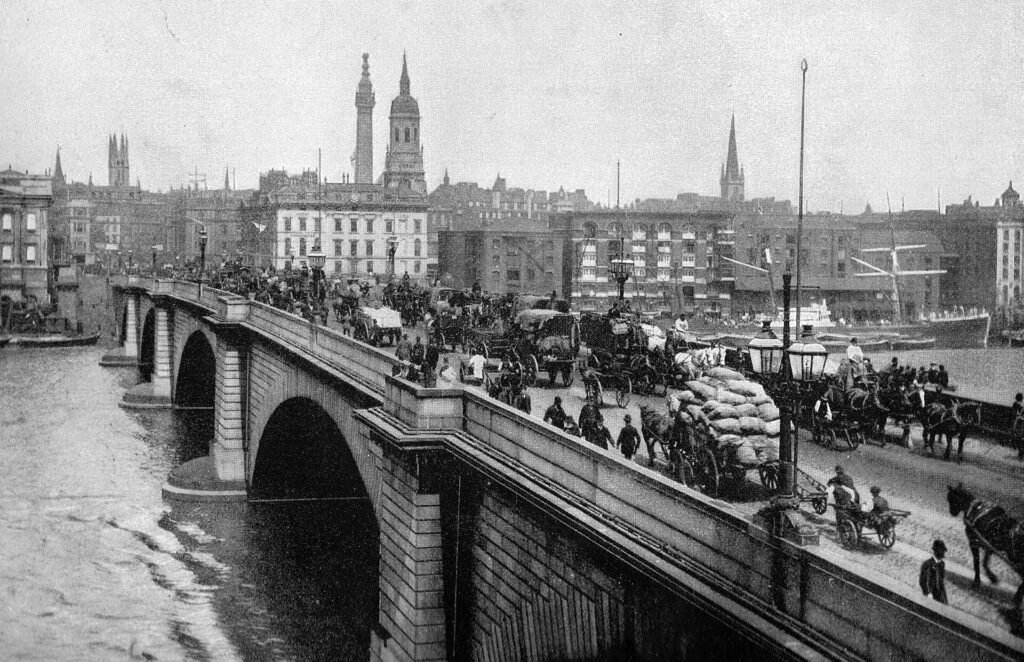
In 1968, a wealthy entrepreneur looked at a stretch of barren Arizona desert and decided it needed a bridge. Not just any bridge, but the exact 1831 structure that had spanned the River Thames in England.
It sounds like an absurd plot, but an American real estate developer actually bought the London Bridge, dismantled its massive granite stones, and shipped it roughly 5,400 miles (8,690 kilometers) to a remote peninsula in the United States. The transaction involved millions of dollars, a massive shipping logistical puzzle, and a dry patch of dirt that would eventually become an island.
A Crazy Solution for Desert Real Estate
Robert P. McCulloch founded Lake Havasu City in 1964. He owned 3,353 acres (13.57 square kilometers) of land, but the remote location and hot climate kept buyers away. His real estate agent, Robert Plumer, learned the city of London was selling the 1831 John Rennie-designed bridge because it could no longer handle modern traffic.
Plumer suggested buying it to attract tourists. McCulloch initially called the proposal crazy but eventually purchased the structure for 2.46 million dollars. Both men strongly denied the popular rumor that they mistakenly thought they were buying the Tower Bridge.
Dismantling and Shipping the Heavy Stones
Moving the massive structure required extreme precision. Workers removed the exterior facing stones, numbering and cataloging the position of every single block. The pieces went to a quarry in Devon, where 6 to 8 inches (15.24 to 20.32 centimeters) were sliced off many stones to reduce weight.
Plumer then struck a deal with a shipping company sailing a new, empty cargo ship to the United States, covering the operating costs in exchange for cheap freight. The stones traveled through the Panama Canal to Long Beach, California, and finally rolled overland to Arizona.
Building a Bridge Over Dry Land
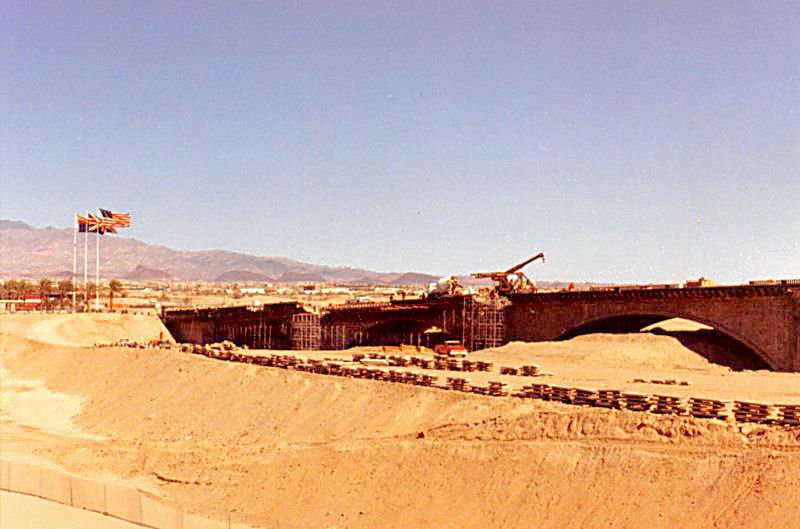
On September 23, 1968, the Lord Mayor of London laid the foundation stone in Arizona. The construction crew built a new reinforced concrete interior and clad it in the original 1830s masonry. Surprisingly, the crew did not build the structure over water.
They erected it on dry land connecting the mainland to a peninsula called Pittsburgh Point. The three-year construction finished in late 1971. Only after the structure stood complete did workers dredge a navigable canal underneath it. This new waterway, the Bridgewater Channel Canal, turned the peninsula into an island and gave the imported structure water to cross.