
In the early 14th century, a deeply indebted European monarch found a ruthless solution to his financial ruin. King Philip IV of France had exhausted his treasury on endless wars and courtly luxuries.
When standard extortion failed, he set his sights on the vast wealth of the Catholic Church. To pull off the ultimate financial heist, he needed to control the highest office in the land. This orchestrated plot led to poisoned popes, rewritten laws, and the fiery execution of the legendary Knights Templar.
A Broke Monarch and a Dead Pope
By the early 1300s, Philip IV was desperate for cash. He had already seized assets from Italian bankers and expelled Jewish citizens to confiscate their money. Facing riots over a debased currency, the king decided to tax the clergy. Pope Boniface VIII fiercely opposed this and threatened excommunication.
Boniface died in 1303 under intense pressure from Philip. The king immediately began meddling in the search for a replacement. After the next pope died of poisoning just months into his reign, a divided group of cardinals met in Perugia. In June 1305, they elected Raymond Bertrand de Got, a French nobleman and winemaker, who took the name Clement V.
Rewriting Church Law in Lyon
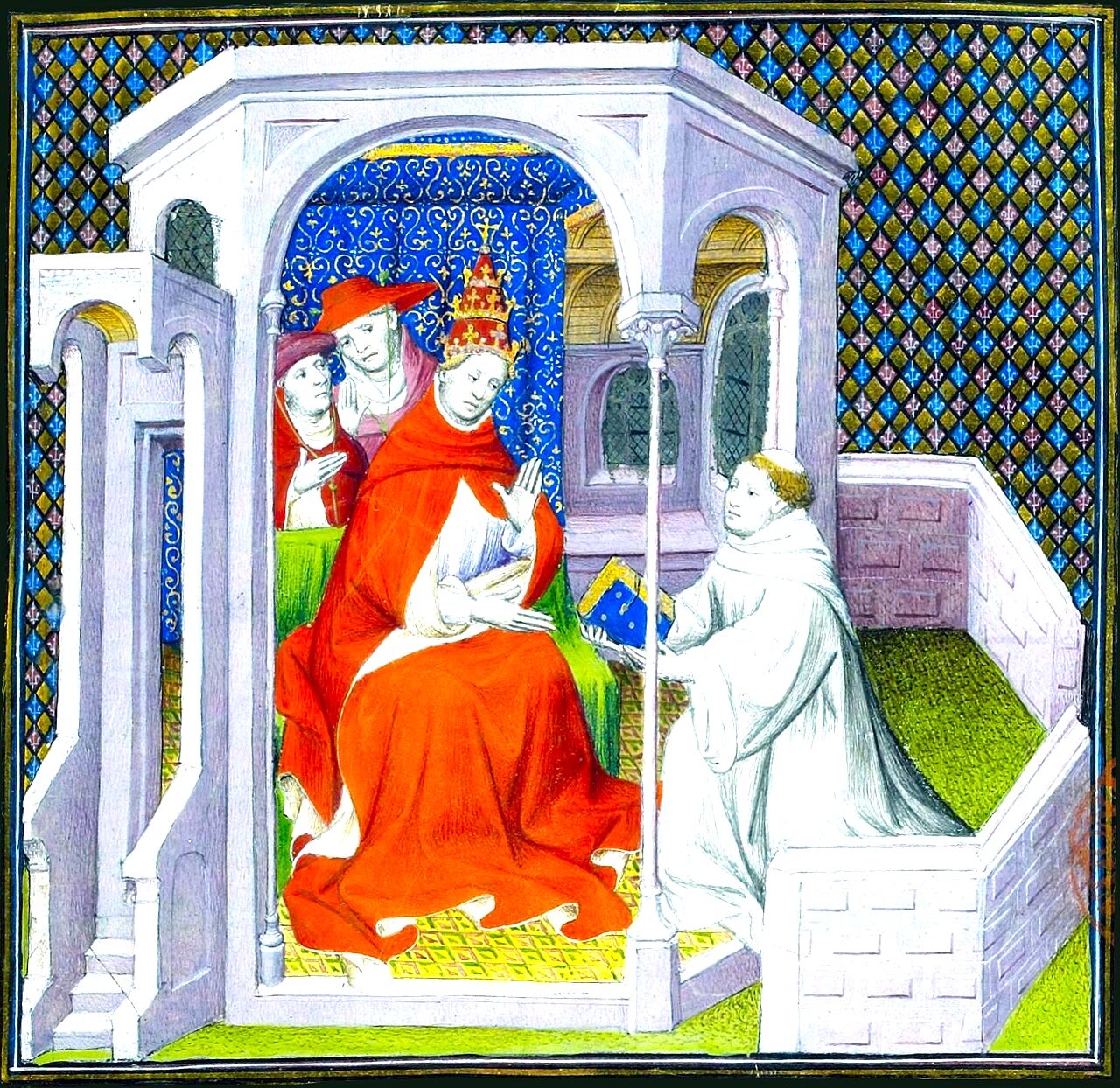
Clement V never traveled to Rome for his coronation. He insisted the event take place in Lyon and immediately appointed nine new French cardinals to outvote his Italian rivals. Once in power, Clement altered church law to suit the French king. He issued statements exempting Philip from earlier rules that forbade secular rulers from taxing the clergy.
Furthermore, Clement revoked the official documents that asserted the Church possessed absolute authority over the French crown. When Philip demanded that the deceased Boniface VIII be declared a heretic, Clement V yielded and granted the king’s request while handing over massive tracts of land.
The Fall of the Knights Templar
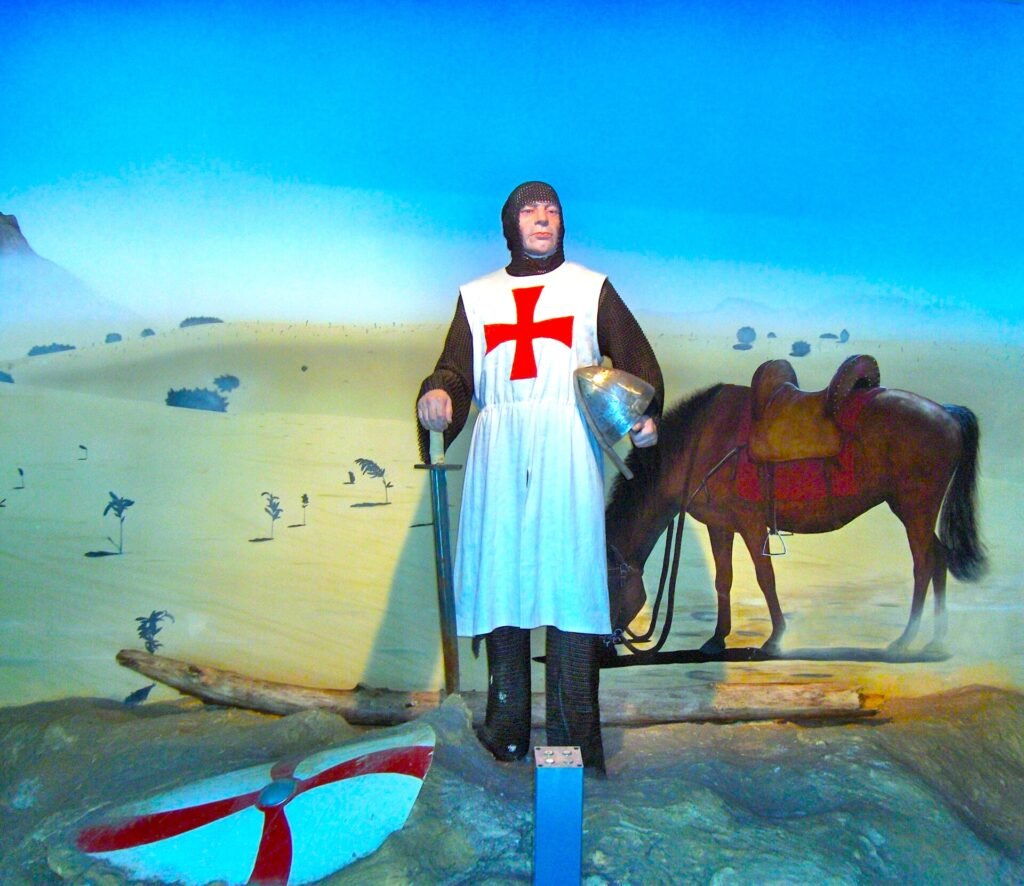
Philip’s spending continued to outpace his income, driving him to target the immensely wealthy military orders formed during the Crusades. At the king’s direction in 1306, Clement V summoned the leaders of the Hospitallers and the Knights Templar to answer charges of heresy.
While the Hospitaller leader bribed his way to safety, Templar Grand Master Jacques de Molay refused to submit to a financial audit. In October 1307, the French army swept through Templar castles and arrested nearly every member. The men were burned at the stake, and Philip seized their overflowing vaults.
The Avignon Relocation
Flush with stolen Templar gold, Philip built a lavish palace for Clement V in Avignon, France. The pope remained there until his peaceful death in the spring of 1314.
Philip IV died later that same year. The headquarters of the Catholic Church did not return to Rome for decades. It stayed in Avignon through the reigns of the next six popes, starting with Clement V’s successor and illegitimate son, John XXII.