
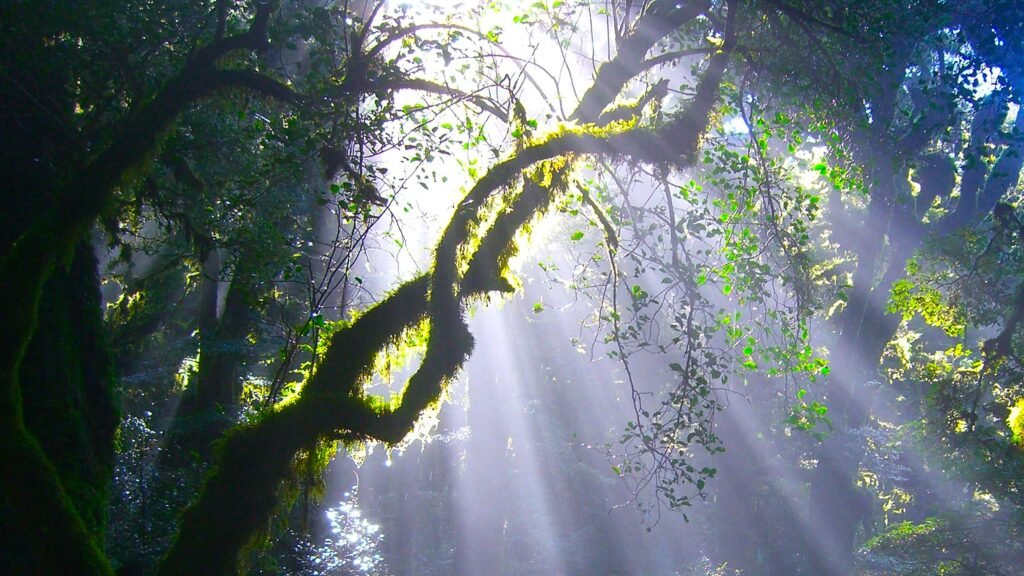
Deep in the North Island of New Zealand lies a mountainous, forested region called Te Urewera. For decades, this rugged landscape operated as a standard national park under government control. Then, in 2014, a legal decision completely altered the status of the territory.
Instead of remaining government property, the vast forest became the first natural resource in the world to be granted legal personhood, giving the land the ability to own itself. The history leading up to this unprecedented legal shift involves a deep alliance, a century-long dispute over territory, and a landmark settlement.
A Forest Fortress Untouched by Colonists
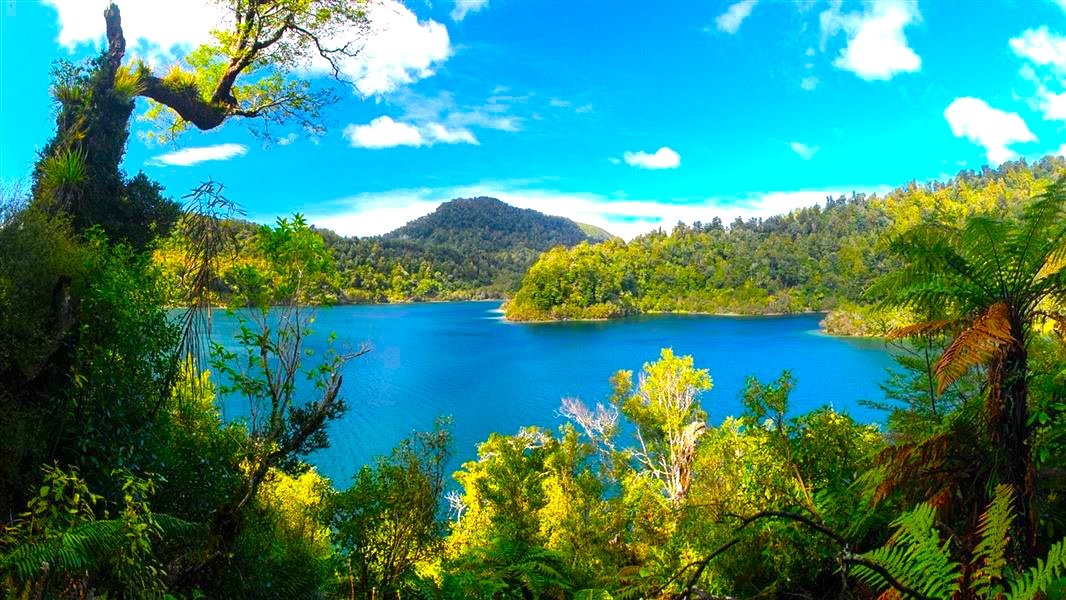
Te Urewera, whose name translates from Māori as “The Burnt Penis,” covers a remote area between the Bay of Plenty and Hawke Bay. The landscape features dense native forests, the Huiarau and Ikawhenua mountain ranges, and Lake Waikaremoana.
Due to its severe isolation, the territory remained largely free from British colonial presence well into the early twentieth century. During the 1880s, the Tūhoe, the Māori tribe whose historical home is Te Urewera, maintained complete control of the region. Few outsiders dared to enter the dense woods. When Māori leader Te Kooti fled his pursuers, he found safe refuge among the Tūhoe, forging a strong alliance with the tribe.
The Loss of the Native Reserve
Between 1894 and 1912, the Tūhoe secured the Urewera District Native Reserve, a sanctuary operating with virtual home rule approved by a Crown statute. This autonomy did not last. From 1915 to 1926, the New Zealand government executed the Urewera Consolidation Scheme.
This purchasing campaign removed approximately 70 percent of the native reserve from the Tūhoe. The tribe was subsequently relocated to more than two hundred scattered land blocks. In 1954, the government officially designated the appropriated land as the Te Urewera National Park.
The Waitangi Tribunal Findings
Decades later, the Waitangi Tribunal began investigating the historical acquisition of the region. In 1999, the tribunal released a 520-page document analyzing the events. The authors concluded that the Crown never intended to permit Tūhoe self-government.
Between 2003 and 2005, a specialized panel heard detailed evidence regarding land claims. By 2009, the tribunal officially found that the government had treated the Tūhoe unfairly, pointing specifically to the severe confiscation of eastern Bay of Plenty territory in 1866.
Environmental Personhood and Self-Ownership
Following these findings, the government and the Tūhoe signed a settlement in June 2013. The agreement provided the Tūhoe with financial and commercial redress valued at approximately 170 million dollars, an official apology, and co-governance of the region. In 2014, the government enacted the Tūhoe Claims Settlement Act, officially disestablishing the national park.
The new law granted Te Urewera legal personhood. Today, the land owns itself and is managed by the Te Urewera Board, a group comprised of Tūhoe representatives and government appointees.