
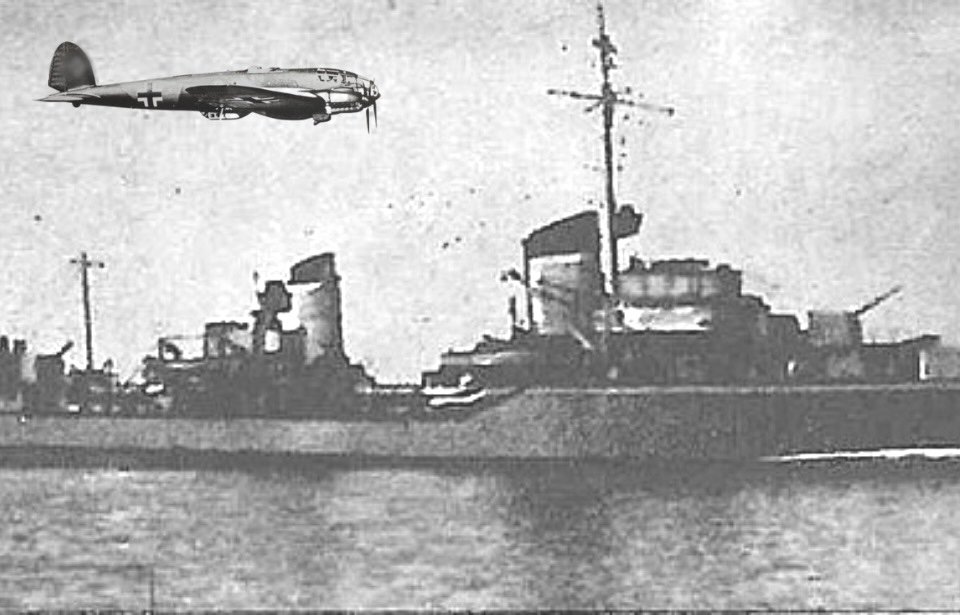
On February 22, 1940, six heavily armed German destroyers sliced through the freezing waters of the North Sea, hunting for enemy vessels. High above the clouds, a German bomber crew scanned the dark waters on a nearly identical mission.
In a matter of minutes, a catastrophic breakdown in military communication ignited a chaotic chain of events, turning a routine wartime patrol into a deadly spectacle of friendly fire and hidden explosives. This is the exact timeline of one of the most disastrous military blunders of the Second World War.
A Fatal Breakdown in Communication
Operation Viking launched with a fleet of destroyers leaving Wilhelmshaven to intercept British trawlers around the Dogger Bank. At the exact same time, Fliegerkorps X dispatched Heinkel He 111 bombers to attack shipping targets between the Thames and Humber estuaries.
Despite strict standing orders requiring the navy and air force to coordinate their schedules, administrative failures left both branches completely blind to the other’s movements. A naval admiral failed to pass along the flight information, while a belated request for air cover was never delivered to the airborne bomber crews.
The Bomber Strikes Its Own Fleet
By 7:00 p.m., a Heinkel bomber crew spotted the wake of a ship below them. Believing the unidentified aircraft was British, the sailors aboard the destroyers Richard Beitzen and Erich Koellner immediately opened fire with 20 mm anti-aircraft guns. Convinced the hostile fire confirmed an enemy target, the bomber aligned for an attack.
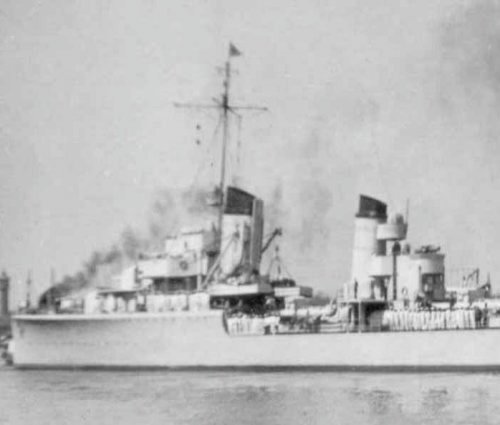
At 7:44 p.m., the aircraft dropped its payload, striking the destroyer Leberecht Maass amidships. The ship abruptly lost speed, radioed for help, and was hit again during a second bombing run. A massive explosion ripped through the vessel, breaking it entirely in half.
Blind Panic and a Hidden Minefield
Complete chaos gripped the remaining naval flotilla. As ships maneuvered to rescue survivors from the freezing water, lookout crews falsely reported submarine periscopes and incoming torpedo tracks. Commander Fritz Berger halted the rescue operation to hunt the phantom submarine.
In the intense confusion, the destroyer Max Schultz veered outside the safety of the swept sea channel. At 8:04 p.m., a massive detonation tore the ship apart. The vessel had struck a tethered mine laid weeks earlier by the British destroyers HMS Ivanhoe and Intrepid.
The Bitter Aftermath of Operation Viking
At 8:36 p.m., after thirty minutes of disorganized maneuvers, Berger ordered the surviving ships to retreat to base. By the time the destroyers pulled away, hypothermia had claimed many of the men thrashing in the water. Sixty sailors from the Leberecht Maass survived, while all 308 men aboard the Max Schultz perished.
A subsequent military inquiry exonerated the bomber crew, citing the total lack of prior warning and the ships’ failure to fire recognition flares. The devastating loss immediately suspended all North Sea destroyer operations for the next several months.