
In October 1925, a sudden burst of gunfire along the mountainous border between Greece and Bulgaria nearly triggered a full-scale regional conflict. The dispute escalated rapidly from an isolated outpost shooting into a major international crisis involving military ultimatums, an armed invasion, and a frantic diplomatic intervention.
Whether sparked by a pet running loose or a deliberate territorial incursion, this event, widely known as the War of the Stray Dog, brought two rival nations to the brink of war over a fiercely contested stretch of land.
Decades of Border Hostility in Macedonia
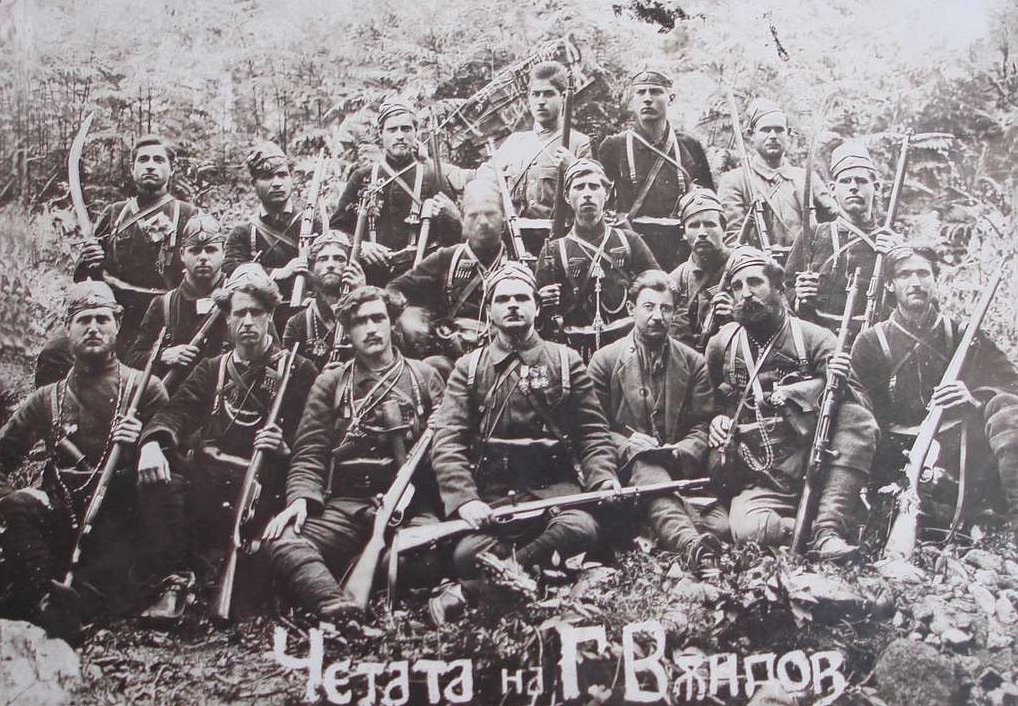
Relations between Athens and Sofia had been strained since the early 1900s due to intense rivalry over Macedonia and Western Thrace. Following the Second Balkan War in 1913 and the First World War, Aegean Macedonia and Western Thrace fell under Greek administration. However, paramilitary groups based in Bulgaria, such as the Internal Macedonian Revolutionary Organization, launched constant raids into Greek territory.
Petrich functioned as the administrative center for Bulgarian-held Pirin Macedonia, operating almost completely outside of standard government control. The situation worsened in 1923 when the paramilitary group assassinated the Bulgarian Prime Minister, ending his policies of diplomatic cooperation.
The Belasitsa Shooting and Two Conflicting Accounts
The fatal spark occurred on October 18, 1925, near the Demir Kapia pass on the Belasitsa mountain range. Two entirely different versions of the event exist. The first account claims a Greek soldier chased his runaway dog 3 kilometers (1.86 miles) west of Radomir across the Bulgarian border, where a Bulgarian sentry shot him dead. The second version, maintained by Greek authorities, states that Bulgarian soldiers crossed into Greek territory, attacking an outpost and killing a Greek captain and a sentry.
An Unanswered Ultimatum and the March on Petrich
Bulgaria quickly expressed regret, attributing the gunfire to a misunderstanding, and suggested forming a joint military commission to investigate. General Theodoros Pangalos, leading the Greek government, rejected the proposal and issued a strict 48-hour ultimatum.
He demanded punishment for the shooters, an official apology, and two million French francs for the victims’ families. When the demands were not met, Greek forces crossed into Bulgaria on October 22, 1925, advancing toward the town of Petrich. Local fighters and civilian volunteers quickly set up defense lines outside the town.
International Ceasefire and the Financial Cost
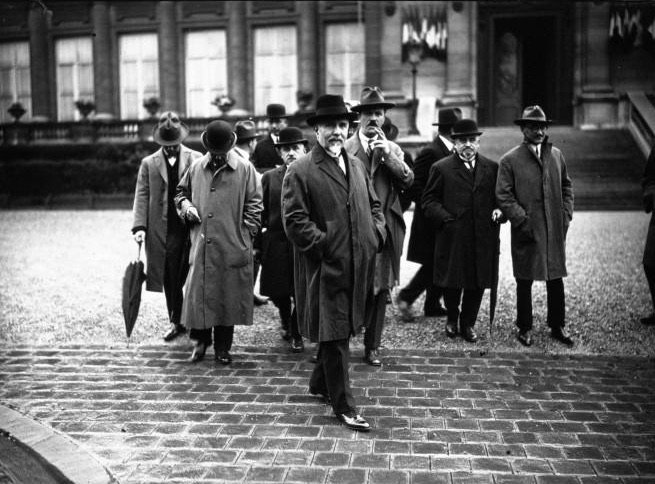
Bulgaria immediately appealed to the League of Nations. Just hours before the Greek military planned to launch a direct assault on Petrich, the international organization ordered an immediate ceasefire. The League dispatched military attachés from France, Italy, and the United Kingdom to observe the withdrawal of Greek troops.
The final ruling required Greece to pay £45,000, or 3 million Bulgarian levas, in compensation within two months, while Bulgaria compensated the initial victims’ families. Greece formally complained about receiving harsher treatment than larger powers faced in similar disputes. The brief conflict resulted in 50 Bulgarian casualties, largely civilians. Bulgarian records estimated Greek losses at 121 men.