
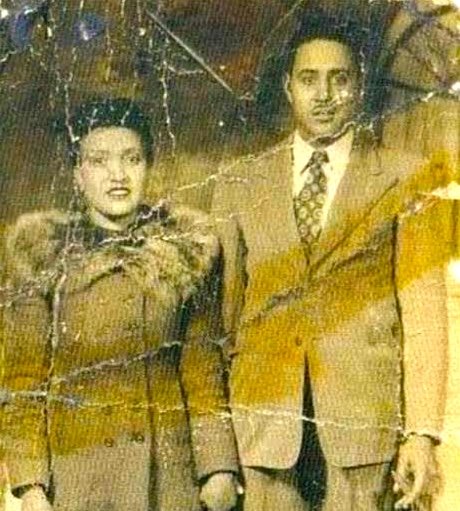
In 1951, a 31-year-old mother of five walked into a Baltimore hospital to be treated for cervical cancer. She passed away months later, but a part of her biological makeup survived. Without her knowledge, doctors took a sample of her tissue, which possessed an anomaly never seen before: the cells multiplied indefinitely outside the human body.
These biological materials fueled decades of medical breakthroughs, from the polio vaccine to gene mapping, generating massive profits. Yet, her own family remained completely unaware of her cells’ worldwide distribution for over two decades.
A Routine Hospital Visit and a Medical Anomaly
Born Loretta Pleasant in 1920, Henrietta Lacks worked as a tobacco farmer in Virginia before moving to Maryland. In January 1951, she visited Johns Hopkins Hospital after finding a knot in her womb. Physicians diagnosed her with cervical cancer. During her radium treatments, Dr. Howard W. Jones took two cervical biopsies—one healthy and one cancerous.
He passed them to researcher George Otto Gey. At the time, hospitals did not require patient permission to harvest tissue. Henrietta died in October 1951, unaware that her tissue sample was about to change modern medicine.
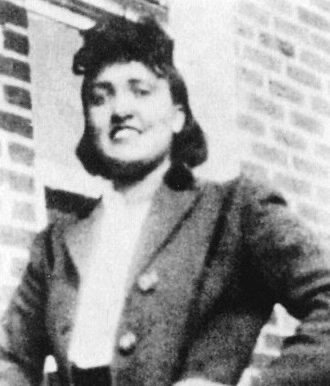
The Creation of the Immortal HeLa Cell Line
Before 1951, laboratory cells survived only a few days. George Otto Gey discovered that Henrietta’s cancerous cells reproduced at an extraordinarily high rate and did not die. He labeled the sample using the first two letters of her first and last name, creating the “HeLa” cell line. Researchers mass-produced HeLa cells, mailing them to laboratories globally.
Jonas Salk used them in 1954 to test his new polio vaccine in the world’s first cell production factory. Over the following decades, HeLa cells were used in almost 11,000 patents, assisting in research for cancer, AIDS, and radiation exposure.
The Family’s Decades in the Dark
The Lacks family knew nothing about the widespread commercialization of Henrietta’s cells. In the early 1970s, HeLa cells contaminated other laboratory cultures. To differentiate the strains, scientists began calling Lacks’s relatives to request blood samples for genetic testing.
The family finally learned about the HeLa cell line by chance during a dinner party conversation in 1975. In 2013, researchers published the HeLa genome sequence, prompting the family to successfully negotiate an agreement with the National Institutes of Health to control access to the DNA data.
Legal Action and Biotech Industry Settlements
In recent years, the Lacks estate took legal action against biotechnology companies profiting from the unauthorized use of the HeLa cell line. The estate sued Thermo Fisher Scientific, resulting in a confidential settlement in July 2023.
In February 2026, the family reached another out-of-court settlement with the Switzerland-based pharmaceutical company Novartis. Lawsuits against other drug manufacturers remain ongoing as the family seeks compensation for the commercial use of Henrietta Lacks’s biological material.