
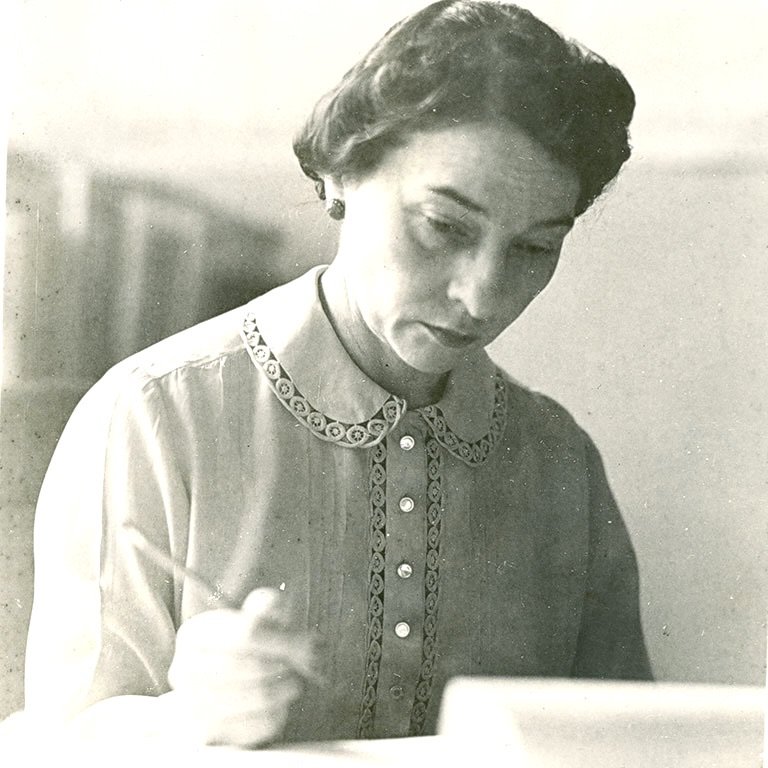
In 1916, an English literature graduate walked into a Chicago library looking for a job. Over the next three decades, she decrypted thousands of coded radio messages by hand, helped convict Al Capone’s liquor suppliers, cracked Nazi Enigma machines, and watched FBI Director J. Edgar Hoover claim public credit for her wartime intelligence. Her name was Elizebeth Smith Friedman, America’s first female cryptanalyst.
From Shakespeare Ciphers to World War I Codebreaking
Born in Huntington, Indiana, in 1892, Elizebeth Smith graduated from Hillsdale College in 1915 with an English literature degree. When she visited Chicago’s Newberry Library in 1916, a librarian phoned wealthy textile merchant Colonel George Fabyan. Fabyan arrived in his limousine and hired her at Riverbank Laboratories in Geneva, Illinois, to search Shakespeare’s plays for hidden ciphers supposedly written by Sir Francis Bacon.
At Riverbank, Elizebeth learned cryptography and met plant biologist William F. Friedman, whom she married in May 1917. When the United States entered World War I, Fabyan placed the couple in charge of the Riverbank Department of Ciphers. They decoded wartime traffic and trained U.S. military personnel before joining the War Department in Washington, D.C., in 1921.
Breaking Bootlegger Codes During Prohibition
During Prohibition, smugglers coordinated liquor and narcotics shipments using encrypted Morse code radio messages. The U.S. Coast Guard hired Elizebeth Friedman to clear their backlog of intercepts. Working by hand without computers, she solved over 12,000 coded messages in three years, leading to 650 criminal prosecutions.
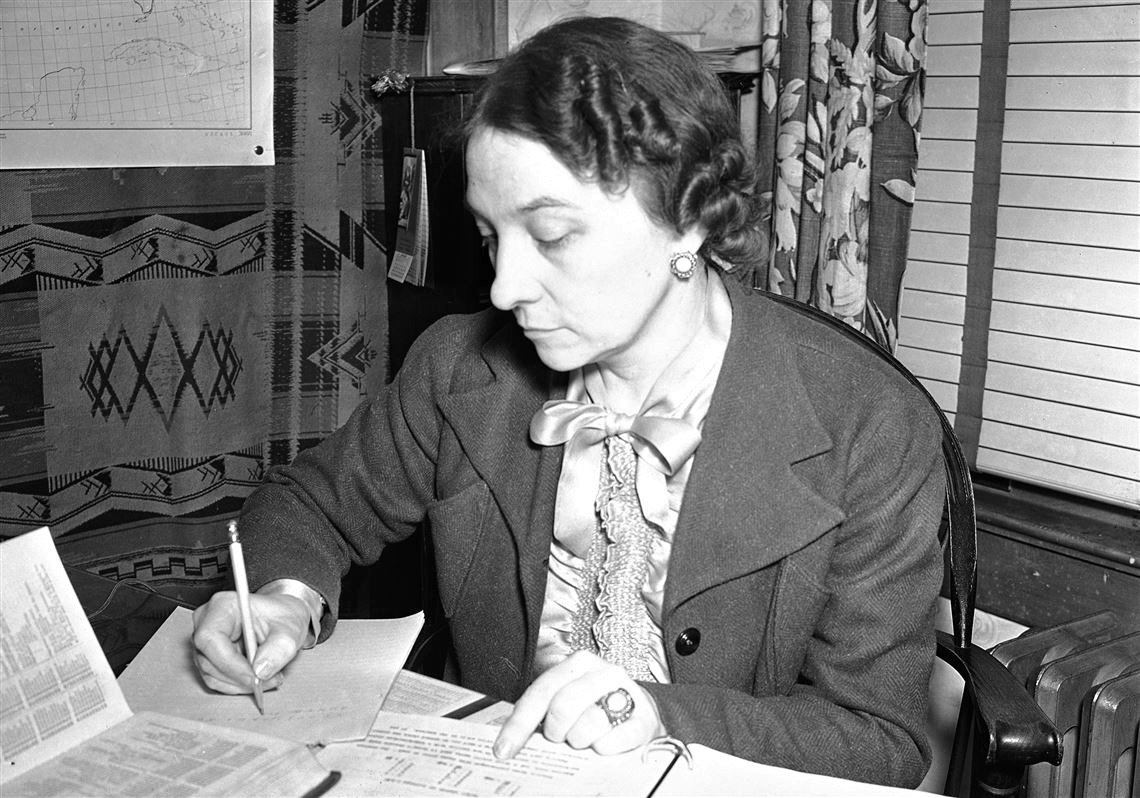
In 1931, she took charge of a seven-person Coast Guard codebreaking unit, at the time the only American cryptanalytic office run by a woman. She testified as an expert witness in 33 trials, helping convict rumrunners, Al Capone’s bootleg suppliers in New Orleans, and an opium-smuggling ring in Canada.
Cracking Nazi Spy Rings and Enigma Machines
During World War II, Friedman’s Coast Guard Cryptanalytic Unit 387 moved to the U.S. Navy to track Operation Bolívar, a clandestine German espionage network in South America. Her team decoded 4,000 messages across 48 radio circuits and broke three Enigma machines, including two used by SS agent Johannes Siegfried Becker. After the spy network collapsed, Argentina, Bolivia, and Chile broke with the Axis powers. In 1944, Friedman also decoded messages that helped convict Velvalee Dickinson, the “Doll Woman,” for attempting to send Pearl Harbor naval details to Japan.
J. Edgar Hoover’s Publicity Campaign and a Final Cipher
After the war, FBI Director J. Edgar Hoover launched a publicity campaign, including a magazine article and a film, claiming the FBI dismantled the South American Nazi spy rings. Neither mentioned Friedman or the Coast Guard. Because her wartime work was classified, federal secrecy rules barred her from speaking out.
In retirement, Elizebeth and William published The Shakespearean Ciphers Examined, disproving the Bacon theory. Inside, they buried a cipher reading: “I did not write the plays. F. Bacon.” Elizebeth Friedman died in 1980 at age 88.