In 1776, the wealthiest widow in Britain rushed to the side of a dying man who had just defended her honor in a bloody street fight. Covered in wounds, his final request was her hand in marriage. She agreed, expecting to be a widow again within days. Instead, the man made a rapid recovery.
The blood was from an animal, the duel was a staged hoax, and the marriage was a trap that would subject her to eight years of kidnapping, physical abuse, and a landmark court battle.
The Coal Fortune and the First Earl
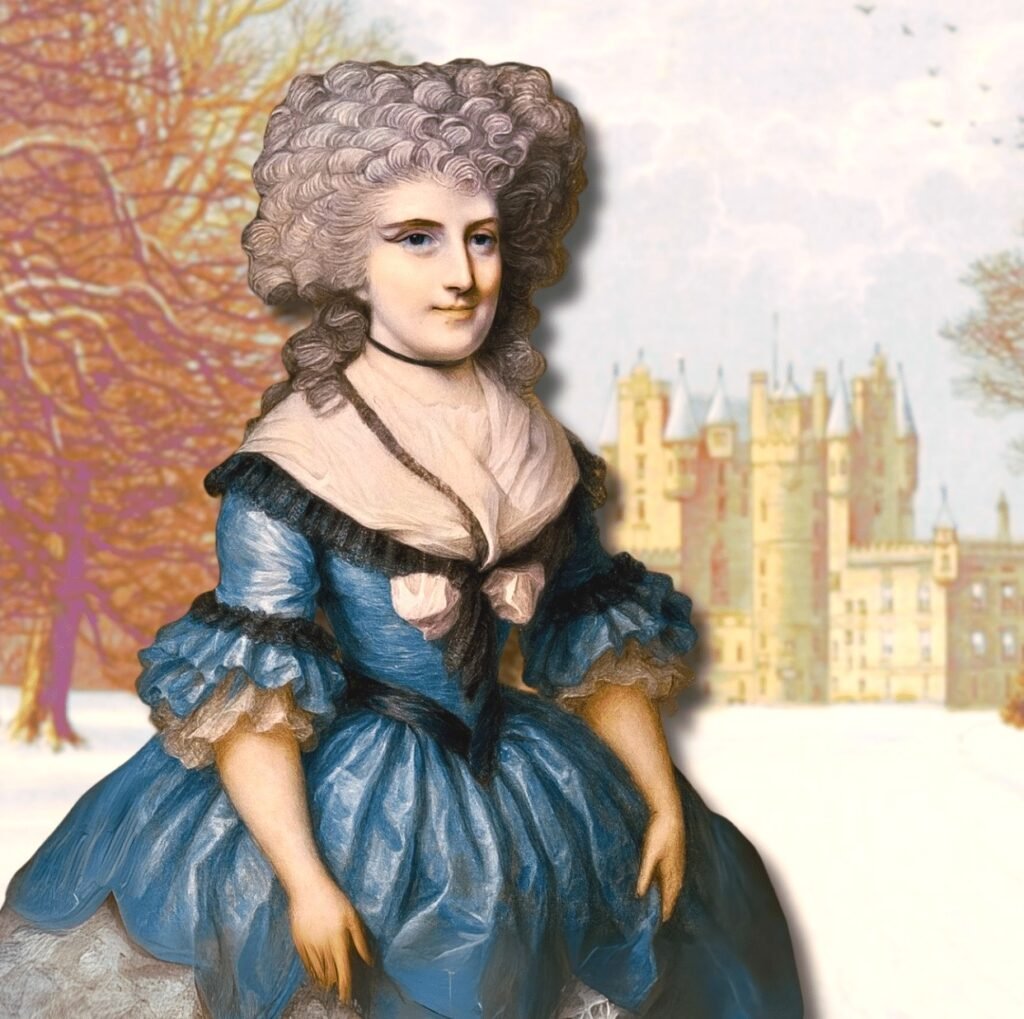
Mary Eleanor Bowes inherited a massive coal fortune from her father in 1760 at age eleven. Her father’s will dictated she must never change her last name. At eighteen, she married John Lyon, the ninth Earl of Strathmore, who legally took the Bowes name.
They had five children before Lyon died at sea in 1776. Widowed and pregnant from an affair with George Gray, Bowes sought a quick marriage to hide her condition.
A Bloody Hoax in the Streets
Andrew Robinson Stoney, a widowed seaman, wanted the vast wealth. He planted defamatory rumors about Bowes in The Morning Post. Stoney then publicly challenged the newspaper’s editor to a duel to defend her reputation. Stoney bribed the editor and a local doctor to fake the fight entirely.
The doctor doused Stoney in animal blood and declared him near death. When Bowes found him bleeding in the street, she agreed to marry him to grant his dying wish.
Eight Years of Captivity
Stoney recovered immediately. He took control of her estate, censored her mail, and banned her mother from visiting. Servants tracked her every movement. Stoney subjected Bowes to severe beatings, attacking her with candlesticks and sword handles.
Upon discovering a legal document protecting her wealth for her children, he beat her until she signed a new contract transferring her entire fortune to him. Her former brother-in-law, Thomas Lyon, removed her children from the home, leaving Bowes entirely isolated.
Escape and the Landmark Trial
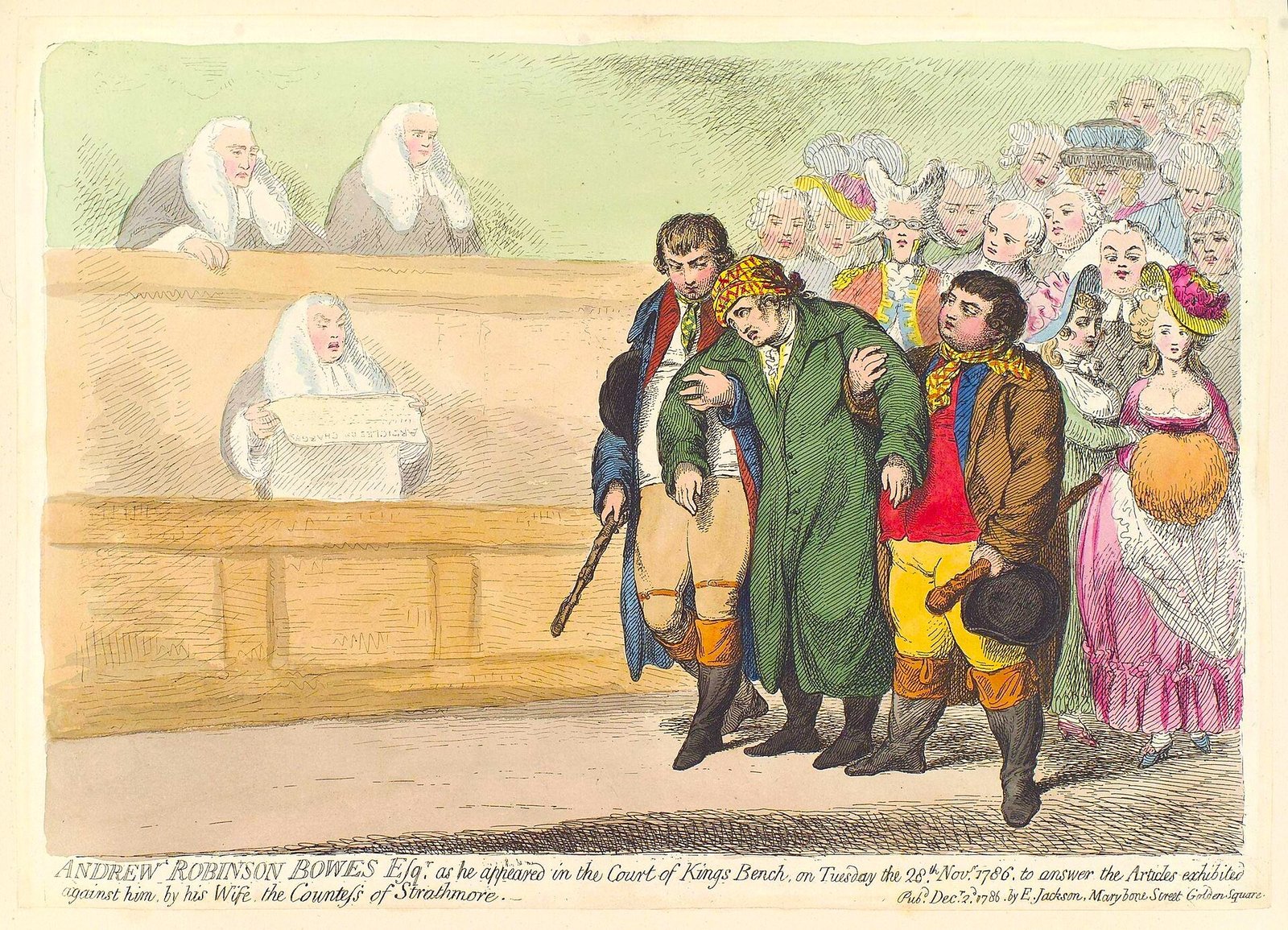
A newly hired maid, Mary Morgan, orchestrated an escape by distracting the guards while Bowes fled under a cloak. Months later, Stoney tracked down her new address and had his men kidnap her. Onlookers spotted the abduction in progress and intervened.
Stoney was convicted of assault and sentenced to three years in prison. Bowes filed for divorce while he was incarcerated and successfully overturned the contract that gave Stoney her money. She retired to the country, passing away in 1800, and was buried next to Mary Morgan.