
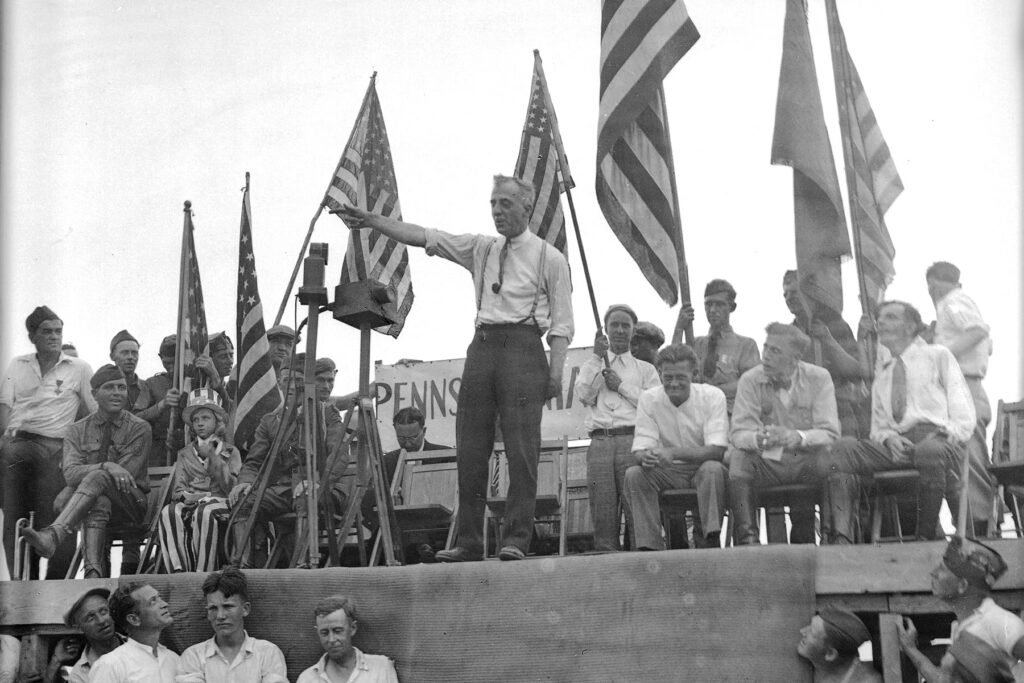
In 1933, a covert group of powerful Wall Street financiers decided they had seen enough of the newly elected US President. Furious over changing economic policies and the abandonment of the gold standard, these wealthy brokers hatched a radical scheme to raise a massive private army, march on Washington D.C., and remove Franklin D. Roosevelt from power. They only needed a highly decorated military leader to spearhead their armed takeover. They chose the wrong man.
The Plan for a Fascist March on Washington
Following the 1932 Bonus Army protests, where thousands of World War I veterans demanded unpaid military bonuses, certain businessmen saw an opportunity. Bond salesman Gerald C. MacGuire, backed by corporate heirs like Robert Sterling Clark, approached retired Marine Corps Major General Smedley Butler.
MacGuire pitched an audacious plan. He promised Butler an armed force of 500,000 veterans and immense financial backing. The conspirators intended to use the president’s failing health as a cover story to force Roosevelt into a powerless role. Butler would seize absolute control as the newly invented “Secretary of General Affairs.”
A Military Hero Turns Whistleblower
The brokers chose Butler because of his immense popularity among troops, assuming he would easily follow their orders. Instead, the decorated veteran began gathering information on the conspirators. MacGuire traveled across Europe studying nationalist leagues and fascist organizations, mailing updates back to the United States.
Armed with these details, Butler went to the press in late 1934. He revealed the entire operation to a reporter and soon testified under oath before the House Special Committee on Un-American Activities, known as the McCormack-Dickstein Committee.
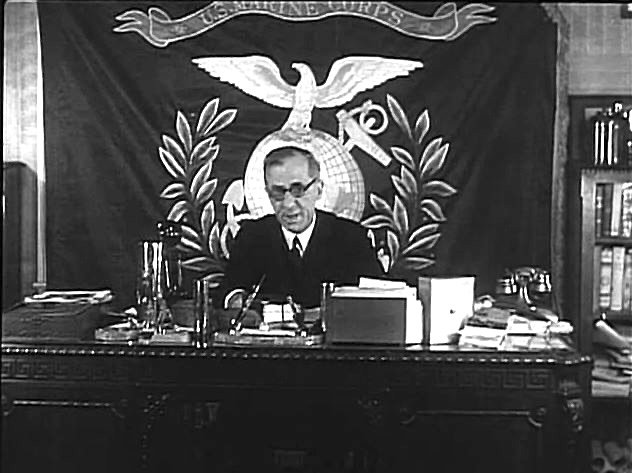
Congressional Hearings and Press Reaction
When the explosive allegations broke, the accused Wall Street elite immediately denied any involvement in the coup. Major newspapers initially dismissed the retired general’s testimony. The New York Times even published an editorial labeling the operation a “gigantic hoax.”
Only MacGuire was called to testify before the committee, while higher-profile financiers were ignored to avoid dealing with hearsay. Soon after the hearings, MacGuire died in a Connecticut hospital from pneumonia at the age of 36.
The Final Committee Verdict
In February 1935, the congressional committee released its final report. The findings completely reversed the initial media skepticism. The report explicitly stated that attempts to establish a fascist organization in the United States were discussed, planned, and might have been executed if the financial backers deemed the timing right.
The committee successfully verified MacGuire’s correspondence and European travels, corroborating Butler’s detailed timeline of events. Despite the government confirming the coup discussions, no criminal prosecutions were ever filed against the conspirators who tried to capture the White House.