
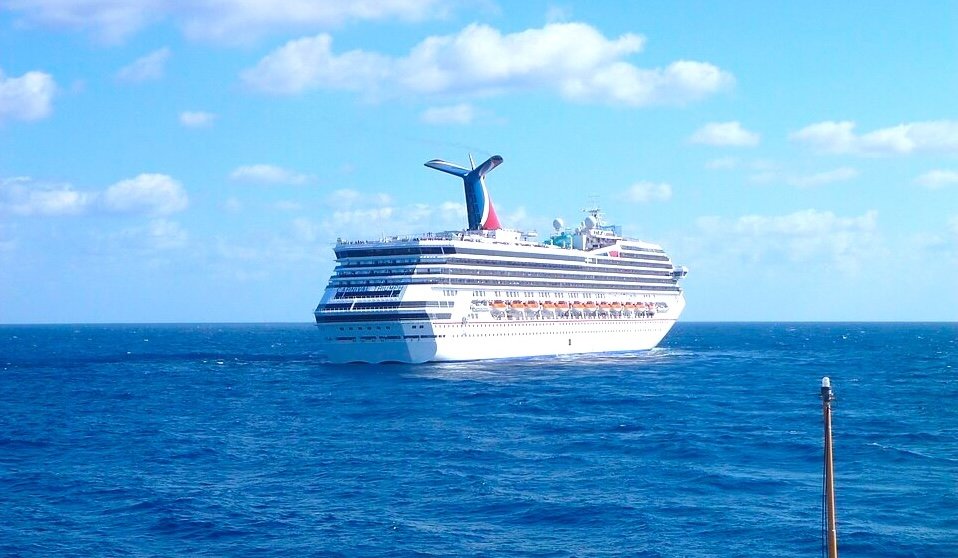
In February 2013, over 4,000 passengers and crew boarded the Carnival Triumph in Galveston, Texas, expecting a luxurious four-day voyage to Cozumel. The massive ship featured 13 decks, a water slide, and multiple pools.
Instead of enjoying these amenities, those on board found themselves trapped in the Gulf of Mexico without power, working toilets, or air conditioning. A sudden mechanical failure transformed the tropical vacation into a four-day ordeal of raw sewage, food shortages, and complete chaos that the media quickly dubbed the “Poop Cruise.”
Engine Room Fire Knocks Out Power
At approximately 5:30 a.m. on February 10, a fire broke out in the aft engine room while the ship was 150 miles off the coast of the Yucatán Peninsula. Automatic systems extinguished the flames without causing injuries, but the fire damaged critical electrical cables.
The Carnival Triumph lost propulsion and went dead in the water. Lights dimmed, refrigeration systems failed, and the air conditioning stopped working. Most drastically, the ship’s plumbing system shut down entirely.
Raw Sewage and Red Bags in the Hallways
The lack of functional toilets created immediate problems. Raw sewage began backing up and flooding onto the floors. Cruise director Jen Baxter instructed passengers to urinate in the showers and distributed red bags for solid waste, asking people to place the used bags in corridor bins.
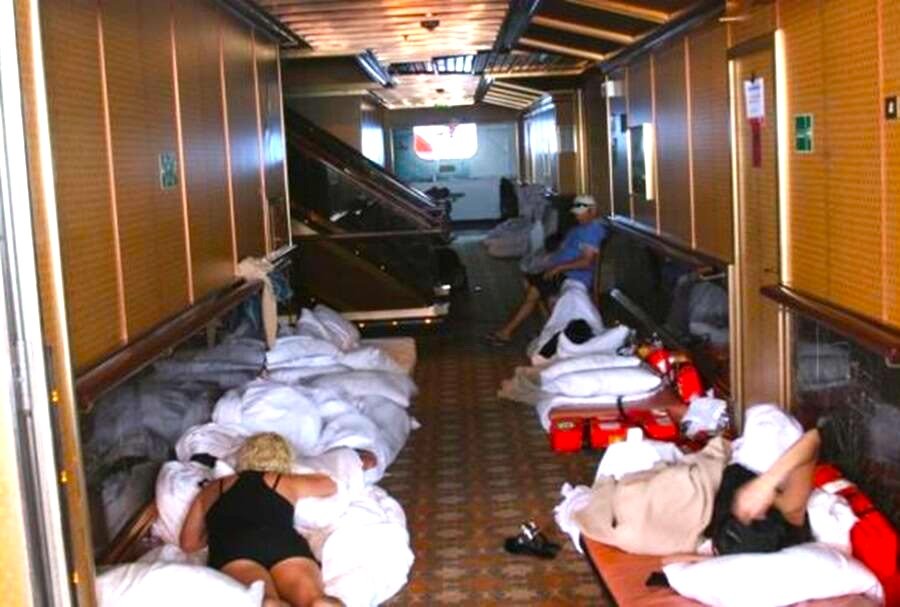
As bins overflowed, bags of human waste piled up outside cabin doors. The unbearable odor and suffocating heat forced passengers to drag their mattresses onto the upper decks to sleep in the open air. One crew member discovered multiple layers of feces and toilet paper mashed into a defunct toilet bowl.
Ketchup Sandwiches and Escalating Chaos
Without refrigeration, food supplies dwindled. Passengers stood in massive cafeteria lines and eventually resorted to eating ketchup sandwiches and candy. The initial rescue plan involved tugboats towing the ship to Progreso, Mexico.
Strong currents pulled the vessel north, forcing Carnival officials to reroute the tow to Mobile, Alabama, extending the timeline. Crew members opened a free bar to ease tensions, which only escalated the disorder. Intoxicated passengers fought, vomited into the sewage, and threw bags of human waste over the railings onto people below.
Maintenance Failures and Negligence Lawsuits
Four days after the fire, the ship finally docked in Mobile. Investigators traced the fire to a fuel oil return line leak that ignited on a hot engine surface. Maintenance records showed the connected generator was overdue for servicing and prior leaks had been detected.
Carnival issued full refunds, $500, travel reimbursements, and a free cruise voucher to each passenger, though several filed negligence lawsuits. In 2019, Carnival spent $200 million refurbishing the ship and renamed it the Carnival Sunrise.