
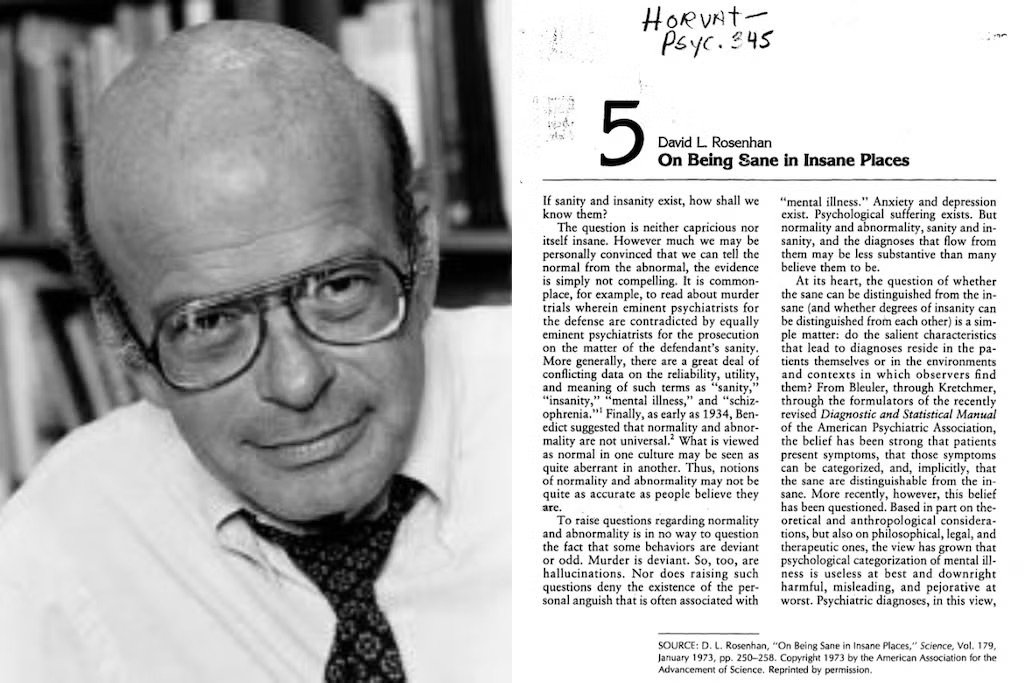
In 1973, Stanford University psychologist David Rosenhan published a study in the journal Science that shocked the medical community. He wanted to test if psychiatrists could actually distinguish sane individuals from the insane.
To find out, he orchestrated a scheme: sending healthy people undercover into mental institutions. The resulting study sparked controversies involving wrongful commitment, dehumanization, and, decades later, serious allegations of scientific fraud.
Feigning Symptoms For Hospital Admission
Rosenhan recruited seven associates, including three psychologists, a pediatrician, a psychiatrist, a painter, and a housewife. These “pseudopatients” contacted 12 psychiatric hospitals across the United States. During their initial evaluations, they reported hearing voices repeating three specific words: “empty,” “hollow,” and “thud.”
They provided false names and occupations but reported all other biographical details truthfully. Every single participant was admitted. Seven were diagnosed with schizophrenia, and one with manic-depressive psychosis.
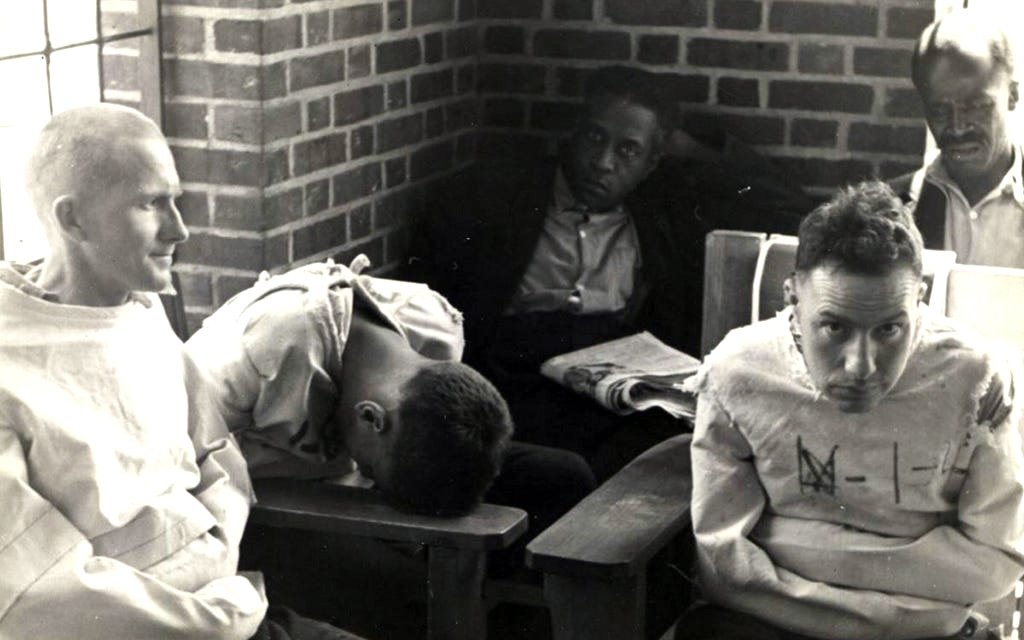
Trapped Inside The Psychiatric Wards
Immediately after admission, the participants stopped feigning symptoms and behaved normally. However, the hospital staff viewed their everyday actions through the lens of mental illness. When one participant took notes, a nurse recorded it as pathological “writing behavior.” While the medical professionals failed to spot the impostors, 35 actual patients grew suspicious, guessing the participants were undercover journalists.
The pseudopatients experienced severe boredom, privacy invasions, and staff abuse, averaging just 6.8 minutes of doctor contact daily. They were held for an average of 19 days, securing release only by agreeing they were ill and accepting antipsychotic medications, which they secretly flushed down toilets.
The Second Hospital Impostor Test
After the initial findings were publicized, a well-known teaching hospital claimed such diagnostic errors could never happen at their facility. Rosenhan arranged a follow-up test, stating he would send new pseudopatients to their hospital over the next three months.
During that period, the hospital staff evaluated 193 patients, officially identifying 41 as impostors and flagging another 42 as suspect. In reality, Rosenhan had sent absolutely no one. Every suspected impostor was a regular patient seeking actual medical help.
Modern Allegations Of Scientific Fraud
Psychiatrists immediately criticized the methodology. Experts like Robert Spitzer argued that lying to a doctor about psychiatric symptoms is no different than drinking blood to fake a bleeding ulcer. Decades later, the study faced even harsher scrutiny.
In 2019, author Susannah Cahalan examined Rosenhan’s personal documents and uncovered major inconsistencies. She could only identify two of the original eight pseudopatients, finding fabricated quotations and distorted data. By 2023, peer-reviewed medical journals officially published papers supporting these claims, labeling the famous psychiatric study a successful scientific fraud.