
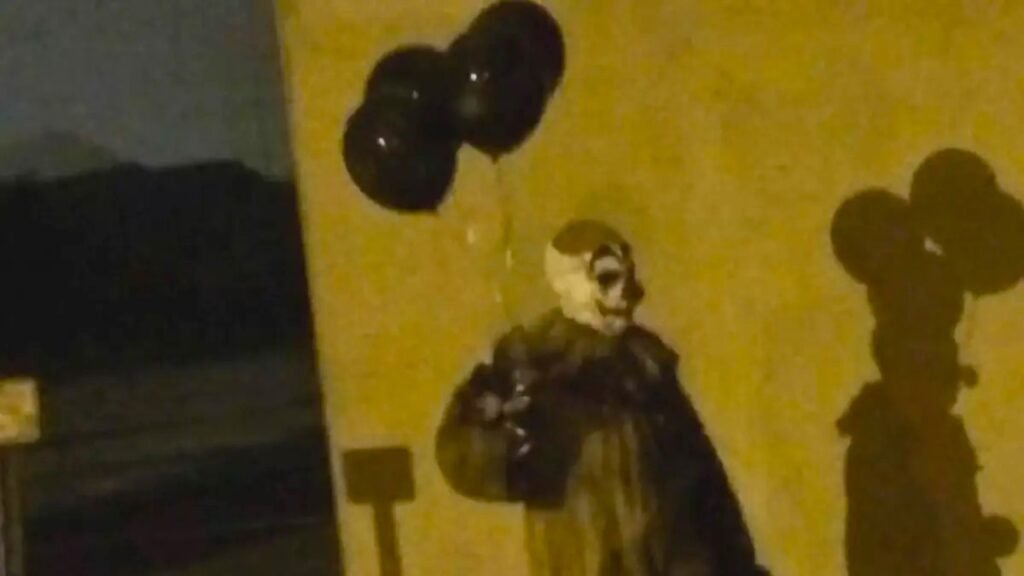
At 2:00 AM on August 1, 2016, a figure dressed as a sinister clown was photographed wandering a vacant parking lot in Green Bay, Wisconsin. The images quickly circulated on Facebook and national news outlets, generating widespread alarm.
While a local filmmaker soon admitted the stunt was just a marketing campaign for a horror short called Gags, the spark had already caught. Within months, reports of aggressive, wandering clowns flooded nearly every state in the U.S. and spread across 18 countries, sparking mob hunts, police warnings, and corporate crackdowns.
Early Sightings and the Creepy Clown Craze
Before 2016, isolated incidents had already primed the internet for clown-related fear. In 2013, three filmmakers in Northampton, England, used a Facebook page to track appearances of a local clown resembling Stephen King’s Pennywise.
The following year, a YouTube creator in Italy gained hundreds of millions of views by posting videos of himself dressed as an evil clown terrifying pedestrians. Similar local sightings popped up in Wasco, California, and a Chicago cemetery in 2015. However, the August 2016 Green Bay incident acted as a catalyst, shifting the isolated pranks into a coordinated trend.
Reports of Luring and Real-World Arrests
By late August 2016, sightings expanded significantly. Residents in Greenville County, South Carolina, reported rumors of clowns attempting to lure children into the woods with money. In North Carolina, a clown offering treats to children fled when law enforcement arrived.
The phenomenon escalated beyond harmless pranks, resulting in at least twelve arrests across the United States for making threats, chasing pedestrians, and filing false reports. In Reading, Pennsylvania, the craze took a fatal turn when a 16-year-old boy was stabbed to death during an altercation reportedly provoked by an individual wearing a clown mask.
Retail Bans and the Corporate Reaction
As Halloween approached, the hysteria disrupted retail and entertainment. Target and Canadian Tire pulled clown masks from their physical stores and websites. McDonald’s drastically reduced public appearances of its famous mascot, Ronald McDonald.
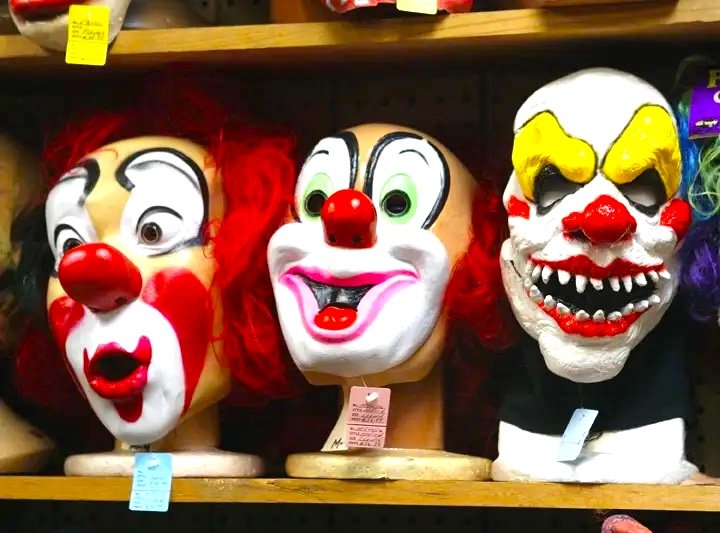
School districts in New Jersey, Ohio, and California issued strict bans on clown costumes, while theme parks ordered employees to remove horror makeup before commuting home. On university campuses, including Penn State and Michigan State, groups of students actually formed mobs to hunt down alleged clowns.
Stephen King, The Purge, and Hollywood Rumors
The media linked the craze to the upcoming 2017 film adaptation of It, prompting New Line Cinema to explicitly deny any involvement in the sightings. Stephen King publicly asked people to react less hysterically to the craze. Despite online rumors of a massive, clown-initiated purge planned for Halloween Eve, no widespread attacks occurred.
However, on October 31 in Florida, a family was attacked by a group of twenty individuals wearing clown masks and masks modeled after The Purge films. Police made no arrests, marking a bizarre end to a strange global panic.