
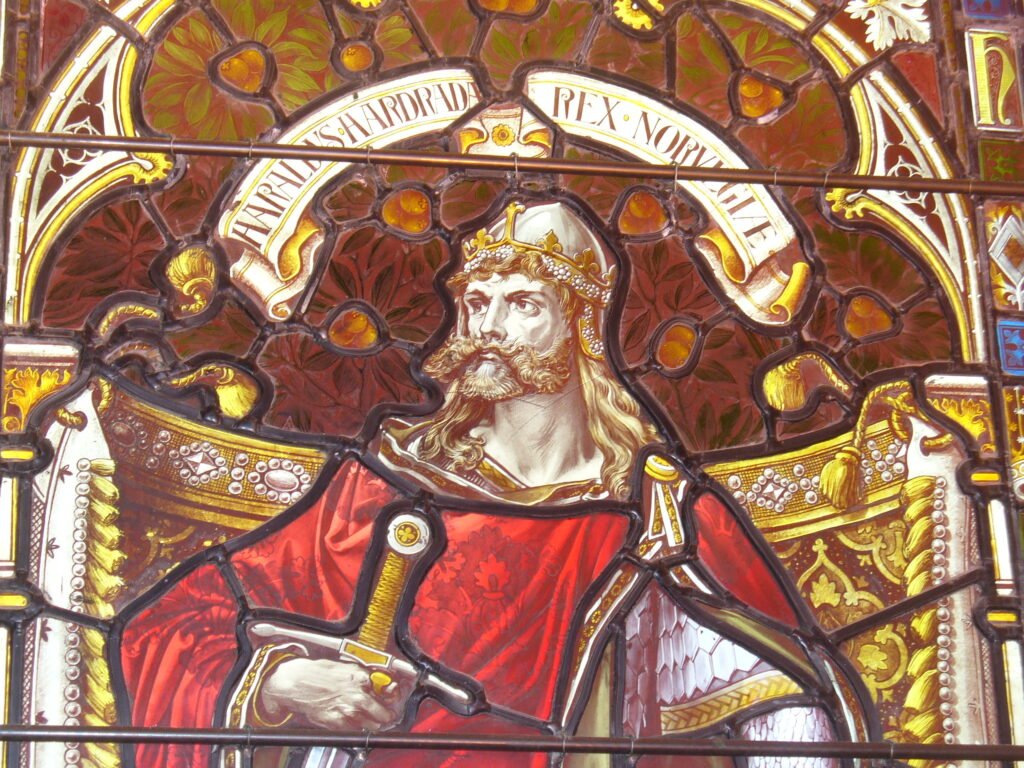
For more than six centuries, an entire European nation operated without a single future king being born within its own borders. Generation after generation of monarchs ruled from afar, arriving from foreign capitals to take the throne.
The local population lived through hundreds of years of political unions and shifting alliances without ever witnessing the domestic birth of a royal male heir. This continuous streak of imported royalty finally ended in 1937 when a baby boy was born at a rural estate outside Oslo.
The Era of Imported Monarchs
The absence of native-born princes stemmed from a long history of Scandinavian political mergers. Beginning in the late fourteenth century, Norway entered into the Kalmar Union alongside Denmark and Sweden. Following the dissolution of this specific arrangement, Norway remained in a dual monarchy with Denmark for several centuries.
The royal families resided in Copenhagen, meaning the kings and their heirs were born on Danish soil. In 1814, Norway entered a new personal union with Sweden. The monarchs relocated to Stockholm, and the trend of foreign-born rulers continued without interruption.
A New Royal House
The political landscape shifted in 1905 when the Norwegian parliament formally dissolved the union with Sweden. The government sought an independent monarch and offered the crown to Prince Carl of Denmark. He accepted the position after a national referendum, taking the name Haakon VII. However, he arrived in the country with a son who was already two years old.
That child, who became Crown Prince Olav, was born at the Sandringham Estate in the United Kingdom, roughly 100 miles (161 kilometers) north of London. Consequently, the establishment of the new independent monarchy still did not produce a prince born on Norwegian territory.
The Historic Birth at Skaugum
Crown Prince Olav eventually married Princess Märtha of Sweden in 1929. The couple took up residence at the Skaugum estate in Asker, located approximately 12 miles (19 kilometers) southwest of the capital city. They had two daughters in the following years.
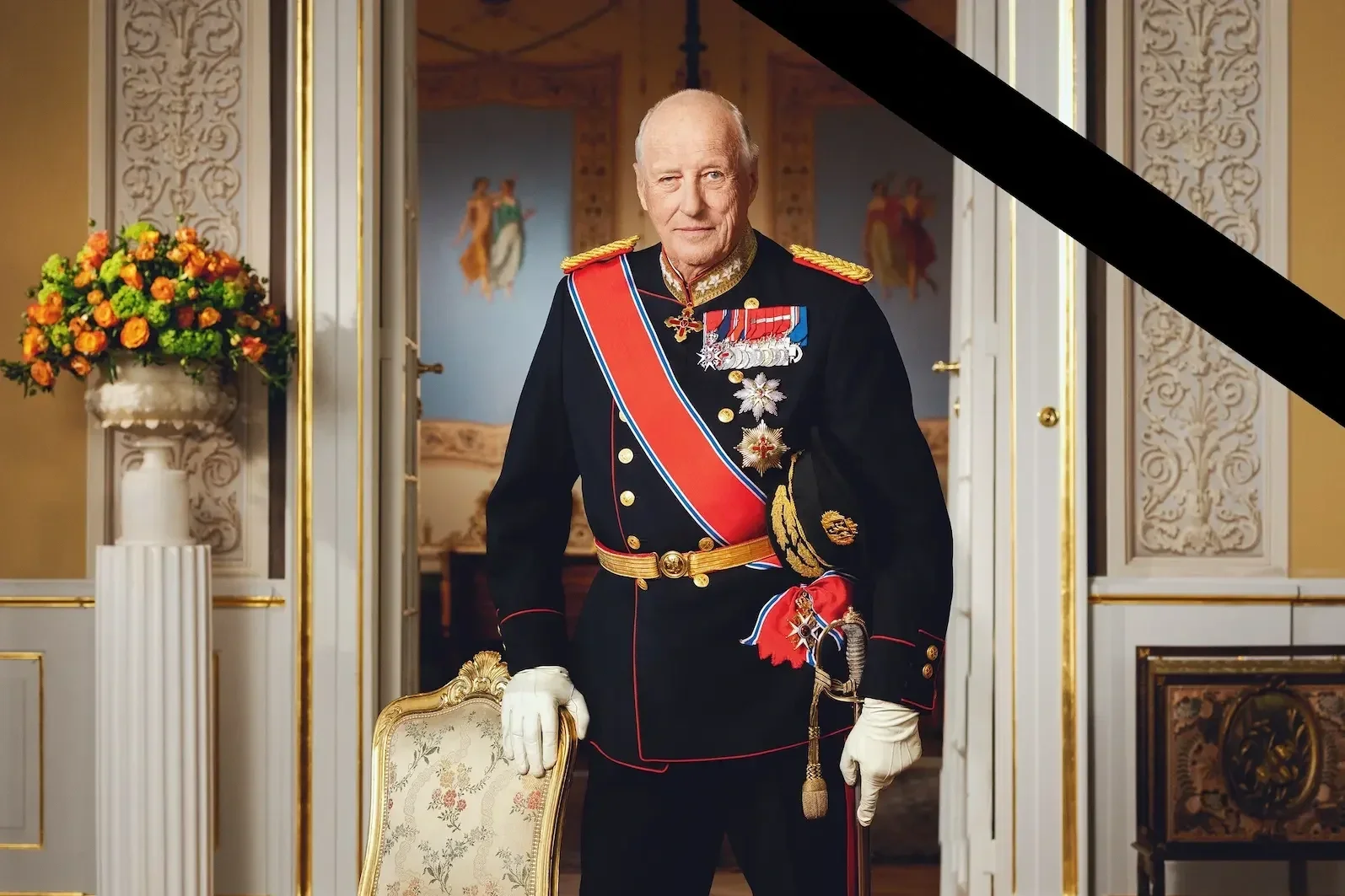
Because the laws of absolute primogeniture were not yet in place, the daughters could not inherit the throne. Finally, on February 21, 1937, Princess Märtha gave birth to a male child at the Skaugum estate.
The End of the Foreign Streak
The infant was named Harald, and his arrival made international news. He was the very first royal prince born in Norway since Prince Olav Haakonsson in 1370. The birth broke a 567-year streak of foreign-born male heirs. The infant weighed exactly 7.7 pounds (3.5 kilograms) at birth.
Just three years later, the young prince had to flee the country and travel over 4,000 miles (6,437 kilometers) to the United States to escape the military invasion of World War II. He eventually returned to his home country, and in 1991, he officially took the throne as King Harald V, ruling until his death in August 2026.