

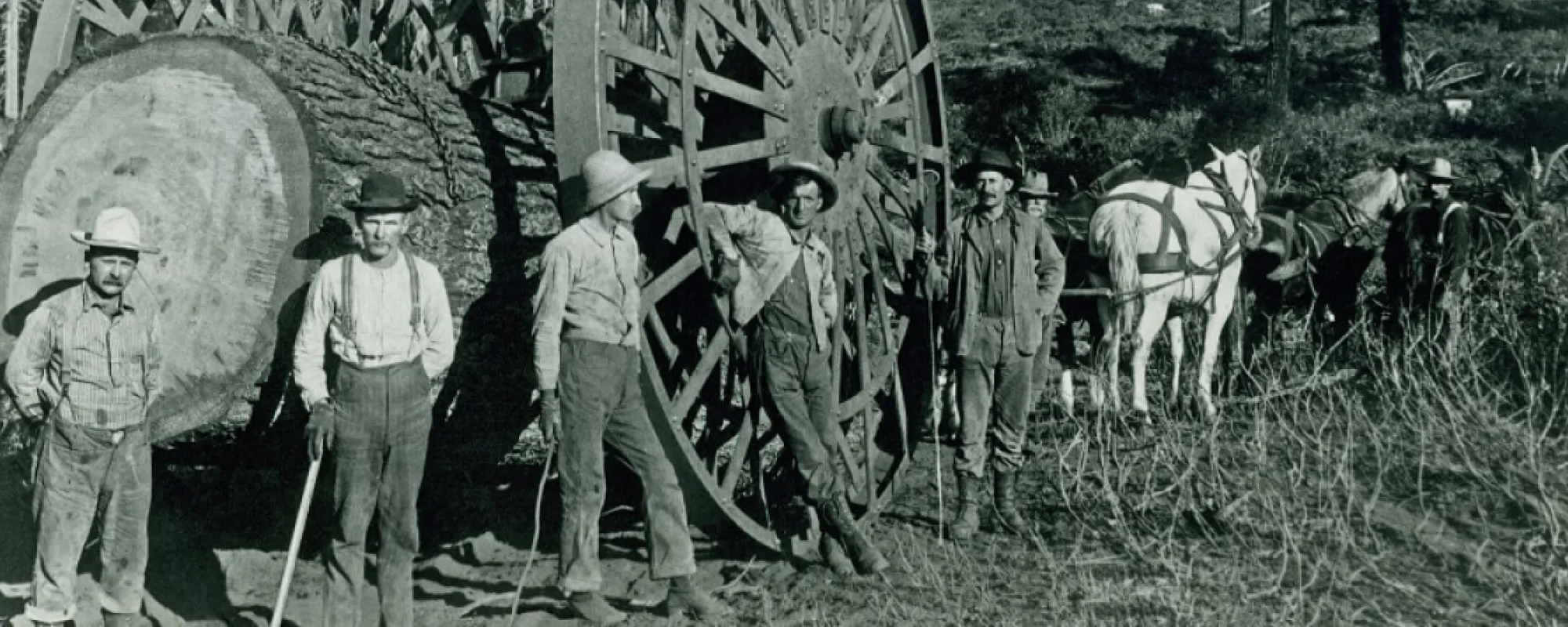
Deep in the isolated Moosehead Lake region of nineteenth-century Maine, an unexplained medical phenomenon swept through the local lumber camps. A group of French-Canadian timber workers began displaying an extreme, uncontrollable startle reflex.
Without warning, these men would jump, shout, or strike out. Any sudden noise or command forced their bodies into immediate action, even if it meant striking a loved one. This unusual behavior completely baffled medical professionals and continues to present a fascinating diagnostic puzzle. The exact origins of this condition remain a topic of scientific debate.
Uncontrollable Reactions To Sudden Stimuli
The condition forced the affected lumberjacks to obey any sudden command instantly. The most common physical symptoms included aggressive jumping, loud yelling, and hitting. Affected individuals described themselves as intensely shy and ticklish.
Many workers exhibited echolalia, forcing them to repeat vocalizations made by other people. Others displayed echopraxia, which caused them to mimic the physical movements of those nearby. The afflicted men simply could not prevent themselves from throwing objects, dropping tools, or physically starting whenever a sudden noise pierced the quiet lumber camp.
Early Research And George Miller Beard
In 1878, physician George Miller Beard observed the epidemic directly. He published a detailed study in 1880, documenting the severe startle behaviors and theorizing the condition was hereditary. French physician Jean-Martin Charcot soon directed his resident Georges Gilles de la Tourette to investigate the relationship between this condition and other tic disorders. In 1885,
Tourette categorized the Jumping Frenchmen within a typology of convulsive tic illness. He grouped the Maine lumberjacks together with patients suffering from what later became known as Tourette syndrome, although many contemporary doctors refuted this categorization.
Genetic Trait Or Psychological Condition
The exact cause of the disorder remains completely unknown. Some researchers theorized the startle reflex was genetic. One observation of 50 affected individuals found 14 cases concentrated within just four families. Another case involved a grandfather, a father, and two sons all exhibiting the exact same jumping behavior.
In the 1980s, researchers studied eight affected individuals and concluded the jumping was actually psychological rather than neurological. They proposed it was a mass psychogenic illness. Because the workers lived in a remote area, the small community may have positively reinforced the physical reactions as camp entertainment.
Global Startle Disorders And Distinctions
The afflicted Maine workers must be distinguished from individuals with Tourette syndrome, which involves unprovoked physical and vocal tics. The jumping behavior in Maine was exclusively a provoked response. Similar provoked startle disorders appear globally.
In Southeast Asia, a condition called Latah features a trance state with repetitive speech. In Siberia, a disorder known as Meryachenie produces a similar jumping action. Furthermore, a neurological disease called Hyperekplexia causes exaggerated startle responses starting in infancy.