
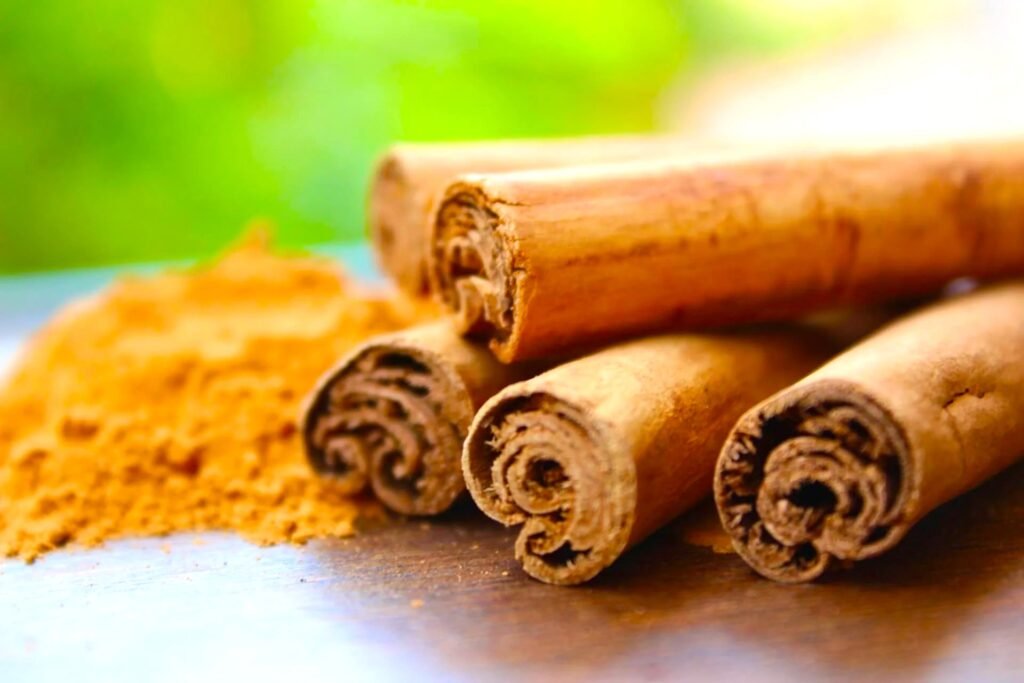
For millennia, the global spice trade relied on elaborate deceptions to maintain power and profit. Traders deliberately fabricated stories to obscure the true origins of highly sought-after spices, ensuring their monopolies remained intact. The history of cinnamon, and its sister spice cassia, is heavily defined by these ancient acts of misdirection and the bloody colonial wars that eventually exposed them.
The Tale of the Cinnamon Birds
In antiquity, Arabic and African traders controlled the flow of cinnamon into Western Europe. To prevent rival merchants from seeking out the source, they invented outrageous and dangerous stories about where the spice grew. The Ancient Greek historian Herodotus recorded one such tale. Traders claimed that enormous birds collected cinnamon sticks to build their nests on inaccessible mountain peaks. According to the myth, locals would leave massive cuts of donkey meat on the ground. When the giant birds carried the heavy meat back to their nests, the sheer weight would collapse the structures, allowing people on the ground to collect the fallen cinnamon sticks.
Cinnamon vs. Cassia: The Ancient Mix-Up
The mystery surrounding cinnamon’s origin was so effective that historians still debate whether ancient texts were referring to true cinnamon or its robust twin, cassia. Both spices come from the bark of the laurel tree, but they have different origins. True cinnamon (Cinnamomum verum) is native to Sri Lanka. Cassia (Cinnamomum aromaticum) originated in Southern China and was cultivated across Asia.
Historical records place cassia in Chinese herbal medicine as early as 2700 BC. In contrast, true cinnamon was not officially recorded in Sri Lanka until the 13th Century. This discrepancy suggests that many ancient mentions of cinnamon, including its use in Egyptian embalming and biblical anointing oils, were actually references to cassia traveling along early trade routes from Mesopotamia.
The Fall of the Myths
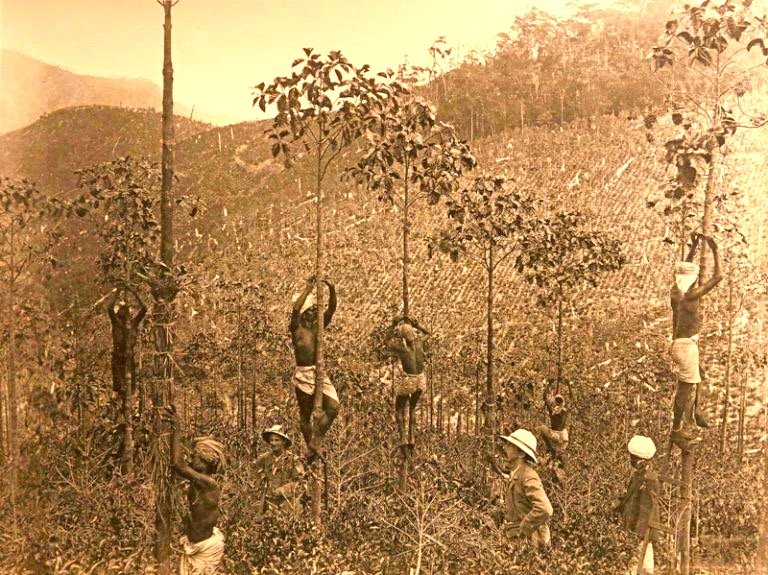
The era of mythical origins ended when European powers aggressively sought direct access to the spice markets. The Portuguese arrived in Sri Lanka in 1505 and officially “discovered” true cinnamon, loudly proclaiming its true source and claiming ownership of the supply chain.
This revelation shifted the global balance of power and triggered centuries of violence. The Dutch ousted the Portuguese in 1636 to take control of the Sri Lankan cinnamon monopoly. In 1796, the English East India Company forcefully took domination of the land from the Dutch. The deliberate obscuration of cinnamon’s origins gave way to brutal colonial exploitation, as European empires fought for absolute control over the world’s most coveted aromatic bark.