
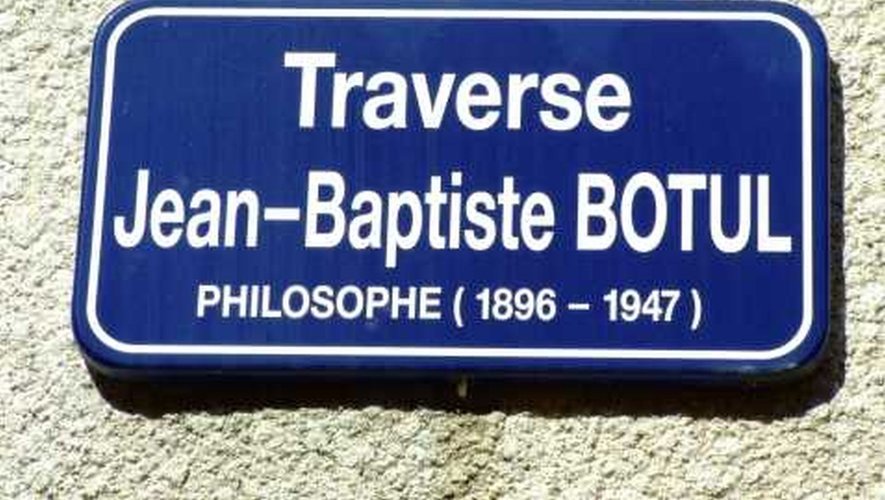
In 1995, a brilliant new mind suddenly appeared in the French intellectual scene, boasting ties to Marcel Proust, Pancho Villa, and Simone de Beauvoir. This philosopher had an incredible biography, an oral tradition that produced fascinating theories on Immanuel Kant, and a devoted following.
There was just one minor detail separating him from other great thinkers of his era. He did not actually exist. The man was a complete fabrication, yet he successfully tricked prominent modern academics into citing his fake texts.
The Birth of a Phantom Thinker
Journalist Frédéric Pagès and a group known as the Association of the Friends of Jean-Baptiste Botul invented the character. Working for the satirical newspaper Le Canard enchaîné, Pagès developed the concept that philosophy was too vital to leave strictly to professionals.
He named his creation after botulism, the illness caused by the Clostridium botulinum bacterium, which stems from the Latin word for sausage. Pagès established that Botul adhered to an oral tradition, meaning he left behind zero official writings, only transcribed speeches and scattered correspondence.
An Impossible Global Biography
The creators built a highly detailed, completely fabricated background for their scholar. Botul was supposedly born in the French village of Lairière on August 15, 1896. His creators placed him in the orbit of historical giants, claiming he was engaged to the politician and former spy Marthe Richard.
His fake adventures spanned the globe. In 1946, the fictional philosopher reportedly fled to Paraguay alongside German refugees. There, he supposedly founded a town named Nueva Königsberg governed entirely by Kantian principles. His fictional death occurred on August 15, 1947.
The Sexual Life of Immanuel Kant
To execute the hoax, Pagès authored a chief philosophical work under the fictional man’s name titled The Sexual Life of Immanuel Kant. The text presented Botul as an expert in Kantian morality. Members of the association began referencing the book in their own publications as a running joke.
Eventually, the references turned up in texts by writers who were not party to the hoax. These authors assumed the philosopher was a real person and treated his work as genuine academic material.
Trapping a Prominent Academic
The most famous victim of the prank was the prominent French philosopher and television personality Bernard-Henri Lévy. In his 2010 book On War in Philosophy, Lévy extensively quoted the fabricated author to support his own arguments. He treated the phantom scholar as a serious historical source.
Once the press exposed the error, Lévy openly acknowledged that he had fallen for the well-rigged trap. The joke continues today through the annual Botul Prize, an award given exclusively to a published book that mentions the nonexistent philosopher.