
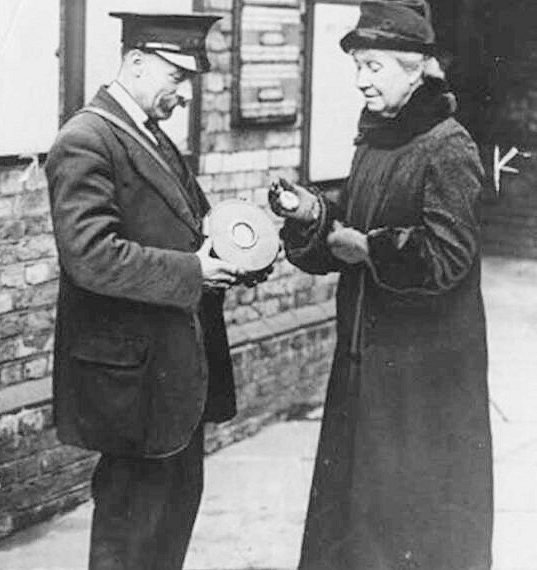
Long before smartphones and digital clocks, London business owners paid an annual fee just to look at a woman’s pocket watch. They did not buy machinery or repair services. Instead, they strictly purchased a glance at a dial.
For over a century, a single family operated this highly unusual business, traveling across the sprawling city to deliver the exact time of day. This is the factual history of Elizabeth Ruth Naomi Belville, the Greenwich Time Lady, and her silver chronometer.
A Highly Unusual Subscription Service
John Henry Belville started the physical time delivery business in 1836. He worked directly at the Greenwich Observatory. Every morning, he set his pocket watch perfectly to Greenwich Mean Time as displayed by the master Greenwich clock. He then rode his buggy to his 200 clients, allowing them to adjust their own clocks accurately.
When he died in 1856, his widow, Maria, took over the extensive route. She maintained the daily schedule until 1892, eventually retiring in her eighties. Their daughter, Ruth Belville, assumed the business next.
The Affordable Alternative to Telegraphs
Ruth Belville carried on the daily rounds for decades, finally stopping in 1940. She charged clients approximately £4 per year for the physical time check. This price significantly undercut the primary alternative, the Post Office telegraphic time subscription, which cost a steep £15.
Even at 86 years old, she regularly traveled twelve miles from her home to arrive at the Greenwich Observatory by 9 a.m. every single morning. She died at the age of 89.
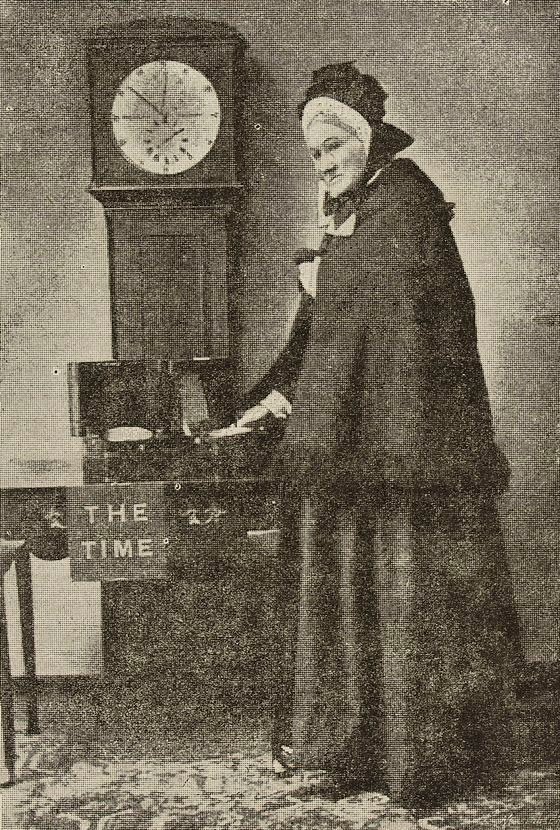
An Accidental Advertising Campaign
In 1908, a corporate rival attacked Belville’s physical route. St John Wynne, a director of the Standard Time Company, sold a competing telegraphic time signal. Wynne delivered a speech at the United Wards Club, calling her methods completely outdated and implying she used her femininity to secure clients.
The Times published the speech. Reporters immediately swarmed Belville seeking a scandal. Instead, the newspaper omitted Wynne’s company name entirely. The intense media attention gave Belville massive free publicity. She noted that her rival’s attack simply functioned as free advertising, and her subscription sales immediately increased.
The Royal Pocket Chronometer Named Mr. Arnold
The entire family business relied on a 1794 John Arnold spring detent pocket chronometer, which Ruth simply called “Mr. Arnold.” The substantial watch measured 78 millimeters by 56 millimeters by 25 millimeters. The watchmaker originally built it with a heavy gold case for the Duke of Sussex.
The Duke refused the piece because he thought it resembled a bedpan. John Henry later swapped the gold for a silver case to avoid attracting thieves during his extensive London travels. The chronometer was substantially rebuilt around 1840. Upon Ruth’s death, she left the historic watch to the Worshipful Company of Clockmakers.